Python Hearts May Hold Key to Reversing Human Heart Disease
Scientists studying pythons have discovered the snakes can grow and shrink their hearts on demand without damage. The breakthrough could help millions of people suffering from deadly heart conditions.
Imagine if your heart could repair itself after a heart attack, growing stronger and then returning to normal size without scarring. Scientists studying pythons at the University of Colorado Boulder just discovered these remarkable snakes do exactly that.
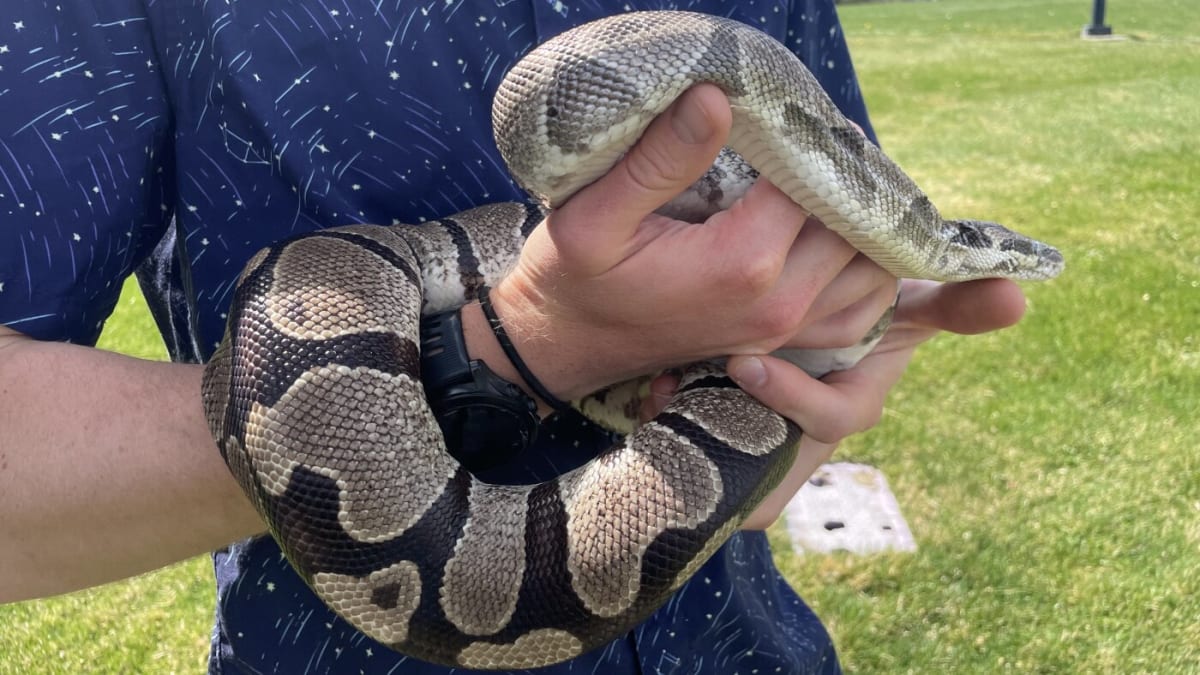
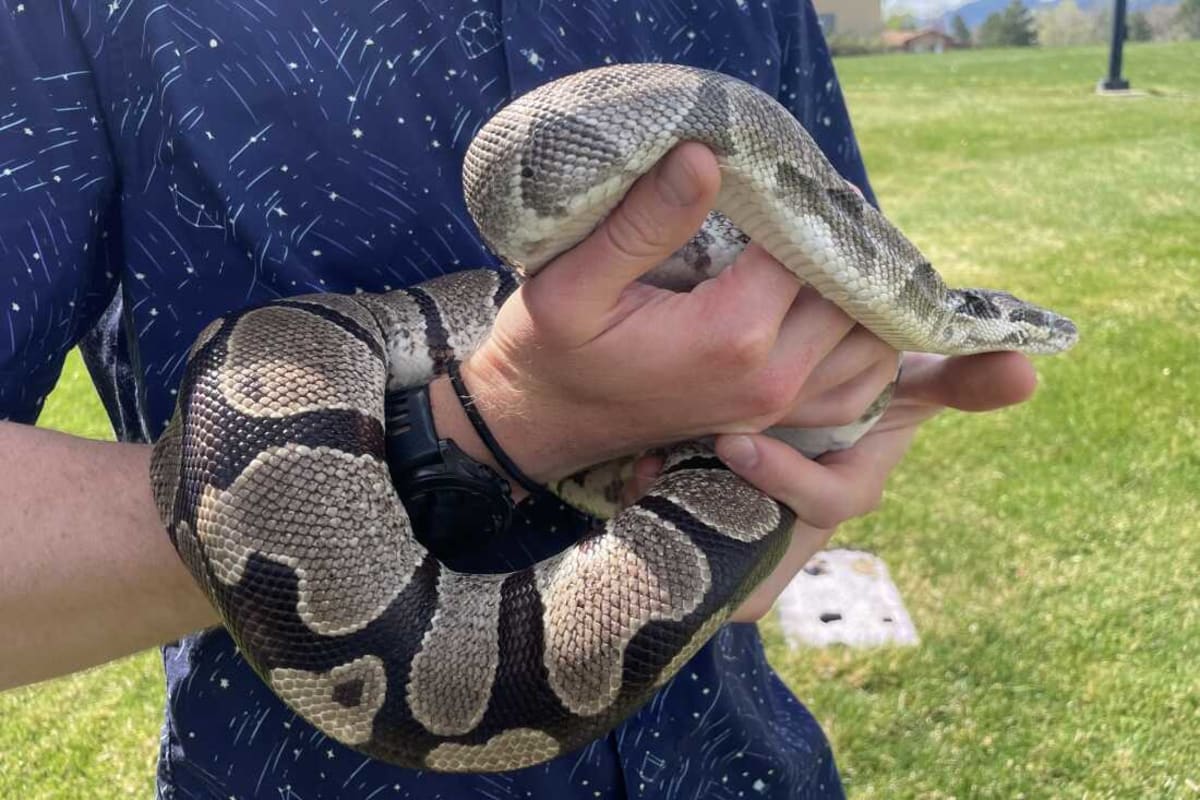
When Skip Maas' pet python Agrapina hadn't eaten in 14 months, she was still a coiled bundle of muscle ready to strike. After swallowing a rat whole, her metabolism skyrocketed up to 40 times faster than normal to digest the massive meal.
Even more impressive, her heart grew larger to pump extra blood during digestion, then shrank back to normal size weeks later with no damage. For humans, enlarged hearts from high blood pressure or heart attacks stay swollen and stiff, often with fatal consequences.
"Some people, no matter what they do, even if they have the perfect diet and they're exercising every day, they're still going to have heart disease," says molecular biologist Jack Gugel. That's what makes the python breakthrough so exciting.
Geneticist Leslie Leinwand started studying pythons two decades ago, convinced these extreme animals held medical secrets. Her team recently discovered python hearts don't just change size. Their cardiac muscle cells actually multiply after eating.
When humans have heart attacks, scar tissue forms because our heart cells can't multiply and repair the damage. Pythons regenerate instead.
The research team is still working to understand exactly how pythons signal their hearts to grow and shrink on command. They're also studying how pythons maintain muscle strength after months of fasting and barely moving.
Why This Inspires
Evolution spent millions of years perfecting the python's remarkable biology. Now scientists are translating those natural solutions into potential treatments for people suffering from heart disease, the leading cause of death worldwide.
The research shows that answers to our toughest medical challenges might be hiding in the natural world, waiting to be discovered. What seems exotic and even frightening could hold the key to helping millions live longer, healthier lives.
Pythons prove that sometimes the most extreme adaptations offer the most hope.
More Images


Based on reporting by Google News - Science
This story was written by BrightWire based on verified news reports.
Spread the positivity!
Share this good news with someone who needs it