Qatar Leads Global Push to Stop Wildlife Trafficking
Qatar just hosted a major international summit that brought together nations to crack down on illegal wildlife trade, proving that global cooperation can protect endangered species. The four-day meeting resulted in successful law enforcement actions and new partnerships across continents.
Qatar is stepping up as a leader in the global fight to protect endangered animals from illegal trafficking.
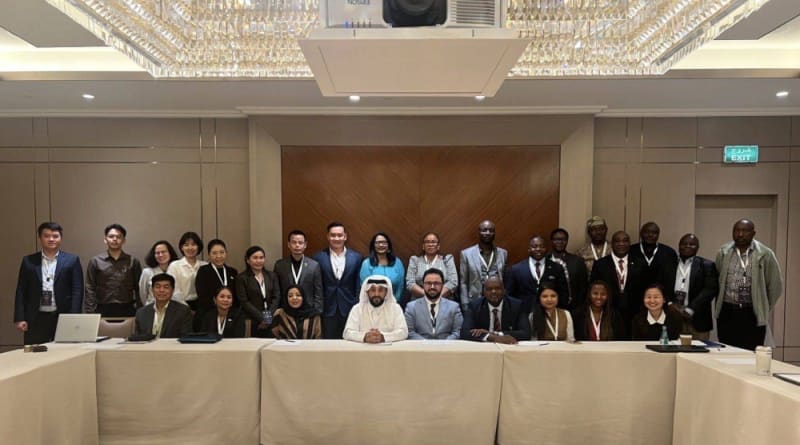
The Ministry of Environment and Climate Change hosted "Post-Operation Thunder 2025" in Doha from February 2 to 5, bringing together customs officials and wildlife experts from African and Asian countries. The international meeting focused on sharing strategies to stop smugglers who threaten endangered species around the world.
The results speak for themselves. During the operation, Qatar's Wildlife Development Department worked with the Ministry of Interior and General Authority of Customs to intercept two cases of illegal monkey trafficking. These coordinated efforts stopped endangered primates from being sold on the black market.
The summit also tackled one of wildlife trafficking's most devastating crimes: the ivory and rhinoceros horn trade. Representatives from multiple nations met on the sidelines to exchange expertise and strengthen partnerships, building on Qatar's National Plan to Combat Ivory Trade.
Qatar shared its successful approach to catching smugglers who deal in endangered fungal species, a lesser-known but serious threat to biodiversity. Other countries presented their own victories from last year's operations, creating a knowledge-sharing network that makes every nation stronger.
The Ripple Effect
This kind of international cooperation creates a protective web around the world's most vulnerable species. When countries coordinate their customs enforcement and share intelligence, smugglers lose safe havens and trafficking routes get shut down.
The meeting sends a clear message to wildlife traders everywhere. Qatar's Wildlife Development Department reminded businesses that all wildlife trade must follow international conventions and national laws. Anyone importing, exporting, or selling protected species needs proper permits or faces legal consequences.
These partnerships mean elephants, rhinos, monkeys, and countless other species get better protection across borders. Every successful interception saves animal lives and disrupts criminal networks that profit from extinction.
Qatar's leadership shows how smaller nations can make outsized impacts when they bring the right people together and commit resources to causes that matter globally.
Based on reporting by Google: cooperation international
This story was written by BrightWire based on verified news reports.
Spread the positivity!
Share this good news with someone who needs it
%2Ffile%2Fattachments%2Forphans%2Fozz1astreetmuralpromotingrhinoconservationinthetownofHluhluweKwaZuluNatalimagetonycarnie_225511.jpg)