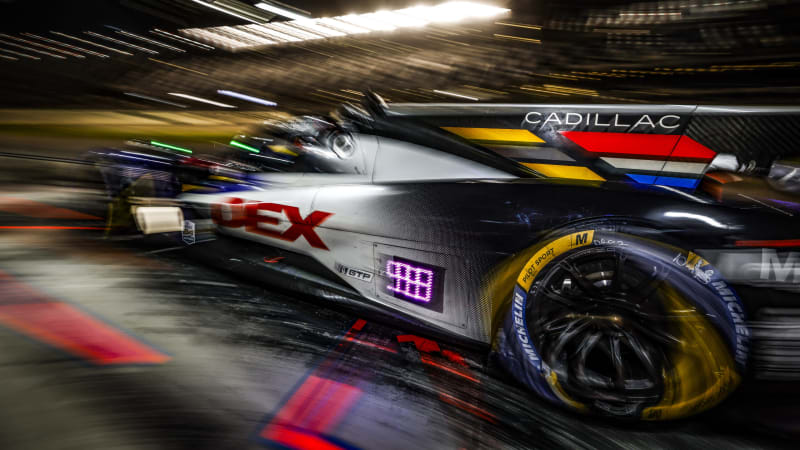
Race Cars Generate Data to Help NASA and Tech Innovate
The world's most advanced race cars are now sharing their massive data troves with NASA and tech companies to revolutionize vehicle simulation. What started as entertainment is becoming a powerful engine for engineering breakthroughs.
Every year, race cars screaming around tracks collect billions of data points that could help design better cars, spacecraft, and life-saving technology.
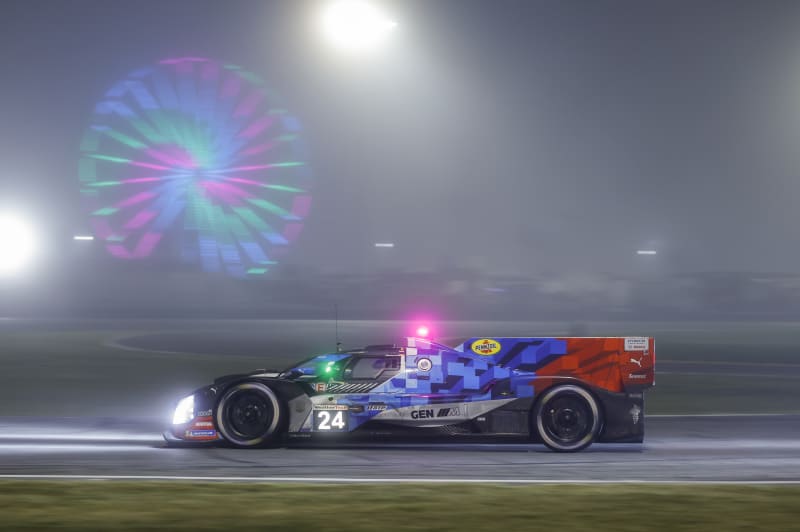
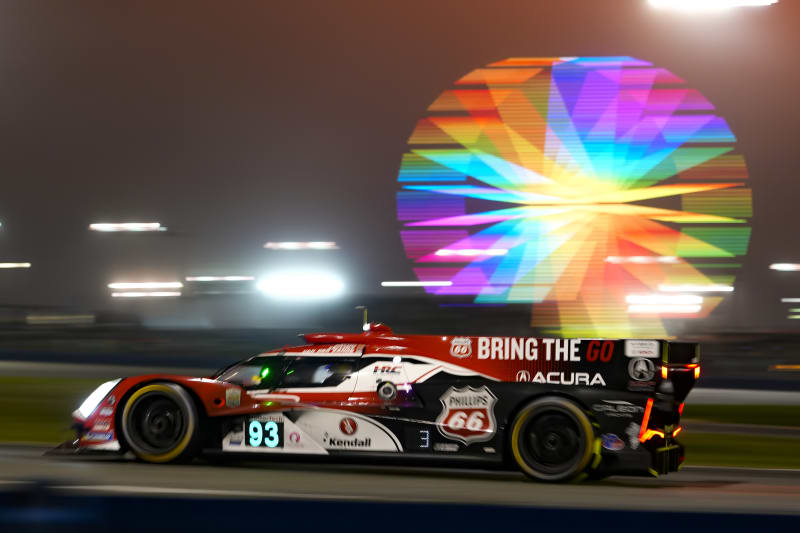
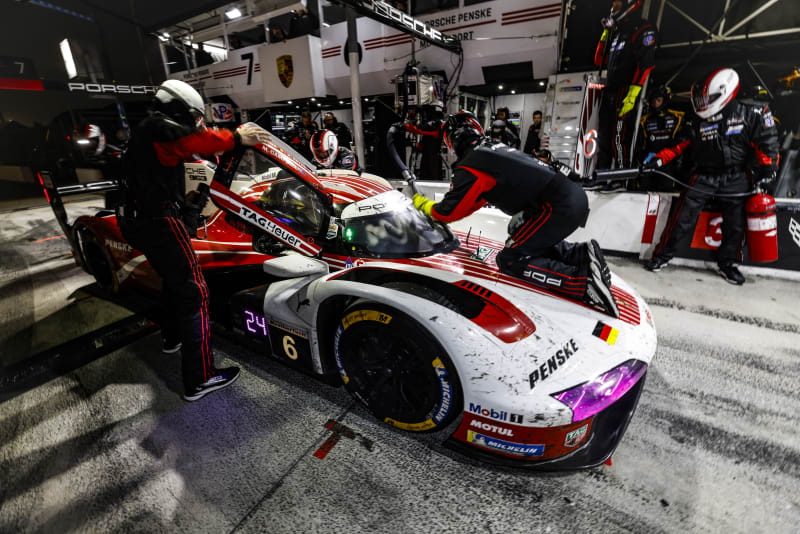
At last weekend's Daytona 24-hour race, each of the 11 high-tech prototype race cars monitored 1,600 different sensor channels throughout the grueling competition. With 60 cars racing for an entire day, that creates an ocean of high-quality real-world data about how vehicles perform under extreme conditions.
Now racing's governing body IMSA is launching IMSA Labs to share all that information with automotive and technology companies developing better simulation tools. The organization also just partnered with NASA to collaborate on telemetry, diagnostics, and sensor technologies that could improve everything from electric vehicles to spacecraft.
Companies like Bosch are already using the racetrack as a testing ground. Engineers bring their everyday automotive components to races, apply them under extreme conditions, then use that feedback to improve the products we all drive with every week.
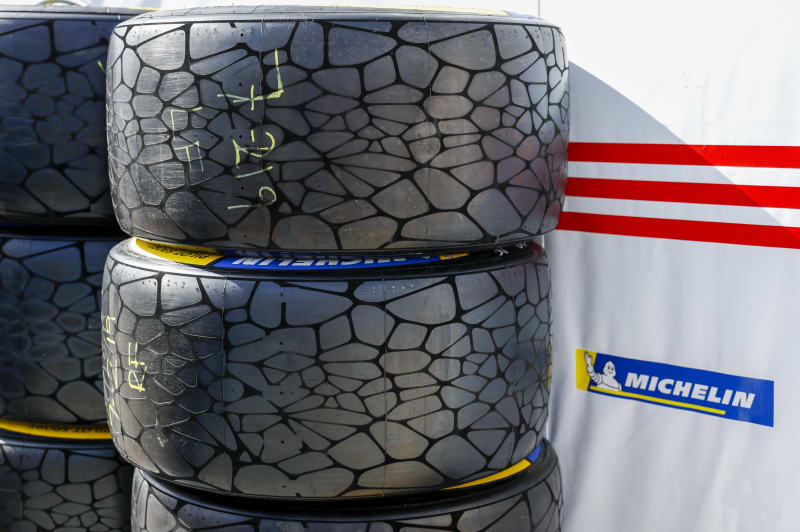
General Motors connects its racing teams directly with road car engineers so lessons learned on Saturday transfer to Monday morning design sessions. Michelin just introduced racing tires made from over 50 percent recycled materials that perform just as well as traditional versions, technology that's already making its way into the tires on family cars.
This continues racing's long tradition of pushing innovations that eventually help everyone. Seatbelts, rearview mirrors, turbochargers, and direct-injection engines all came from the racetrack before becoming standard safety and efficiency features in regular vehicles.
The difference now is scale and speed. Where previous innovations took years to transfer from track to street, digital simulation and massive data sharing mean breakthroughs can happen in months or even weeks.
The Ripple Effect
The partnership between racing, NASA, and tech companies shows how specialized knowledge in one field can accelerate progress everywhere else. Race engineers analyzing tire grip in wet conditions are developing the same skills needed to design safer autonomous vehicles or calculate landing trajectories for Mars rovers.
When Michelin's racing team proves that sustainable materials can withstand 24 hours of punishment at 200 mph, it gives road car designers confidence to use those same materials in millions of everyday vehicles. That multiplies the environmental benefit exponentially while proving performance doesn't require compromise.
The marriage of motorsports and space exploration might seem unlikely, but both push the boundaries of what vehicles can do under extreme conditions. Both generate massive amounts of sensor data that need instant analysis. Both require split-second decisions based on complex simulations.
By sharing their data pools and expertise, these organizations are creating a virtuous cycle where each breakthrough accelerates the next one.
Racing will always be about competition and entertainment, but its newest role as a data laboratory means the technology refined on Sunday could be saving lives and protecting the planet by Wednesday.
More Images
Based on reporting by Ars Technica
This story was written by BrightWire based on verified news reports.
Spread the positivity!
Share this good news with someone who needs it