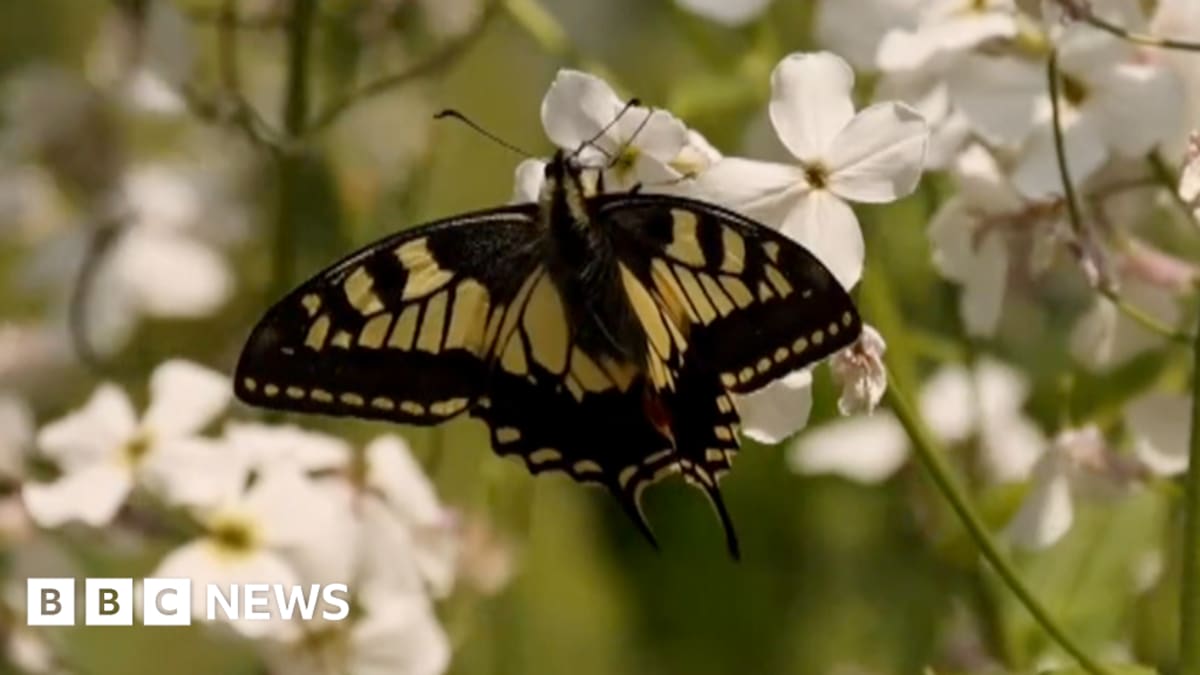
Rare Butterfly Set to Return to Yorkshire After 100 Years
East Yorkshire is planting a rare wetland flower to bring back the UK's largest butterfly after more than a century. If it works, swallowtail butterflies could grace Yorkshire skies again within five years.
The UK's largest native butterfly could soon return to East Yorkshire for the first time in over 100 years, thanks to a bold conservation project centered on a humble plant.
Conservationists are reintroducing milk parsley around Hornsea Mere, the rare wetland flower that swallowtail butterflies need to survive and breed. Historical records show these stunning butterflies once thrived across the region before vanishing when wetlands were drained in the 1700s and 1800s.
John Barnard, a wetland specialist at Tophill Low Nature Reserve, spent 2024 collecting seeds from the few remaining milk parsley plants near the mere. He carefully grew new plants from those seeds, ensuring they're genetically identical to the ones that once flourished there.
"There are historical records of swallowtails right across East Yorkshire," Barnard said. "Bringing milk parsley back basically puts things in place for where they originally lived."
Today, swallowtails are confined to the Norfolk and Suffolk Broads, where butterfly enthusiasts travel from across the UK to glimpse them between late May and mid-July. They're one of the most localized butterflies in Britain.
Staff and volunteers from the Wassand Estate are now planting Barnard's nursery-grown flowers around the mere. The site is already protected as a Special Protection Area for rare birds, surrounded by reedbeds, marshes, grassland and mature woodland.
The Ripple Effect
This project extends far beyond one butterfly species. Conservationists are establishing milk parsley throughout the River Hull catchment, creating a connected network of healthy wetland habitats that will support countless other species.
Restoring these wetlands reverses centuries of drainage that transformed East Yorkshire's natural landscape. The project rebuilds ecosystems that once thrived before Dutch engineers arrived in the 1700s to drain the fens.
Conner Peters from Groundwork Yorkshire, which is restoring the mere, cautioned that butterfly lovers will need patience. "In five years, that's the earliest point we think a reintroduction would be possible, because we're still in the early doors of creating these plant populations," he said.
But the groundwork is happening now, plant by plant, creating the foundation for a future where Yorkshire's skies host these magnificent butterflies once again.
More Images

Based on reporting by BBC Science
This story was written by BrightWire based on verified news reports.
Spread the positivity!
Share this good news with someone who needs it
%2Ffile%2Fattachments%2F2998%2F14147038_376896.jpg)