Rare Caracal Tagged in India's Desert for Conservation
Wildlife experts in Rajasthan successfully radio-collared one of India's rarest wild cats, a male caracal, in a nighttime desert operation. The breakthrough will help scientists protect this elusive species and reduce conflicts between humans and wildlife.
Scientists just took a major step forward in saving one of India's most mysterious wild cats by tracking its movements for the first time in years.
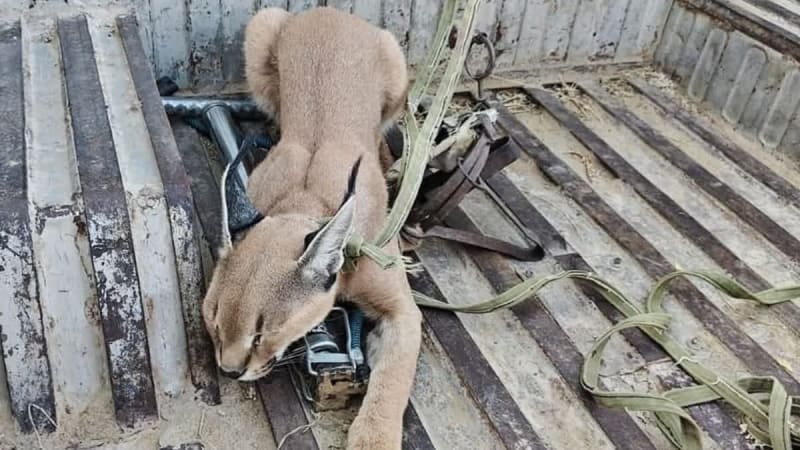
A rare male caracal was fitted with a radio collar in Jaisalmer's desert region of Rajasthan, marking a historic win for wildlife conservation in India. The elusive cat, known for being incredibly hard to spot, was carefully tagged at night and released back into its natural habitat without injury.
The operation brought together experts from the Wildlife Institute of India and the Rajasthan Forest Department. Working in complete darkness, the team used modern technology and careful planning to ensure the animal stayed safe and calm throughout the process.
Caracals rank among India's rarest wild species, with Jaisalmer's desert serving as one of their last remaining strongholds. The successful collaring means scientists can now monitor the cat's movements after years without data on these animals.
The radio collar will transmit valuable information about where the caracal roams, how it hunts, and what territories it considers home. This data will help wildlife managers create better protection strategies and find ways to prevent dangerous encounters between caracals and local communities.
The Ripple Effect
This breakthrough goes beyond just one animal. The information gathered will shape conservation efforts for caracals across their entire range in India, potentially helping similar projects for other rare desert species.
Rajasthan's Forest Minister Sanjay Sharma called the achievement a proud moment for the entire state. Local officials say Jaisalmer is setting an example for how communities can protect wildlife while living alongside rare predators.
The project brings fresh energy to conservation work in one of India's harshest environments, where protecting elusive species requires both cutting-edge science and community cooperation.
This desert success story proves that even the rarest animals can get a second chance when experts and communities work together.
More Images




Based on reporting by Google News - Conservation Success
This story was written by BrightWire based on verified news reports.
Spread the positivity!
Share this good news with someone who needs it