Rare Fungi Power Island Restoration in Remote Pacific
Scientists discovered an invisible partnership that could change how we restore tropical islands. Rare fungi help native rainforest trees thrive on seabird-rich Palmyra Atoll, and the finding could unlock successful reforestation worldwide.
Deep in the North Pacific, a hidden world beneath the soil is rewriting what scientists know about island restoration.
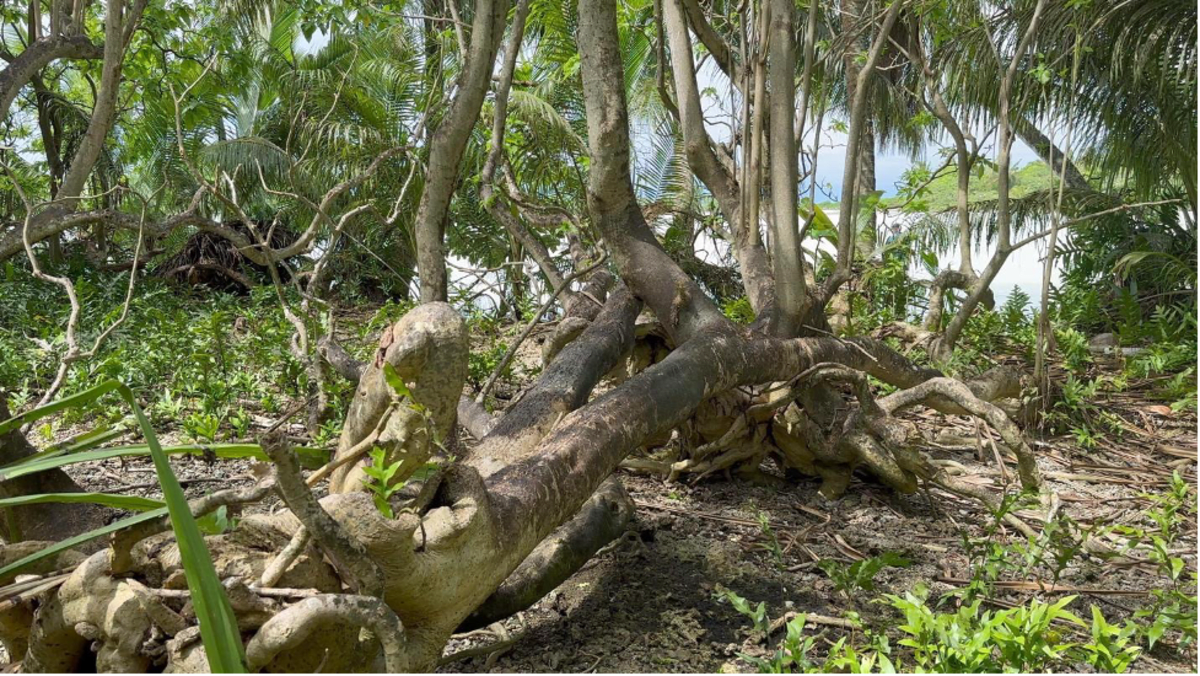
Researchers studying Palmyra Atoll, one of Earth's most remote island systems, just discovered that native pisonia trees depend completely on rare fungi to survive. Every single tree sampled had a 100% partnership with fungi from the genus Tomentella, creating an intricate web connecting trees, soil microbes, and thousands of nesting seabirds.
The fungi perform an amazing service. They capture intense pulses of nitrogen and phosphorus from bird droppings that would otherwise wash into the ocean. Without these microscopic partners, the nutrients that fuel surrounding coral reefs would disappear, and the trees that provide vital nesting sites would struggle to grow.
"Most fungi struggle in extremely nutrient-rich soils, but the Tomentella fungi appear adapted to the high phosphorus levels created by seabird guano," study co-author Alex Wegmann explained. "This suggests a long evolutionary partnership between the fungi, the trees, and the massive seabird colonies."
The discovery has major implications for Palmyra's ambitious restoration project to remove 1.5 million invasive coconut palms. The fungi disappear when you move more than 820 feet away from a pisonia tree, meaning cleared areas might need special treatment to succeed.
Conservationists may need to "inoculate" soils with fungi when planting new trees, especially in areas far from existing forests. Field experiments are planned to test whether fungal inoculation improves seedling survival and growth.
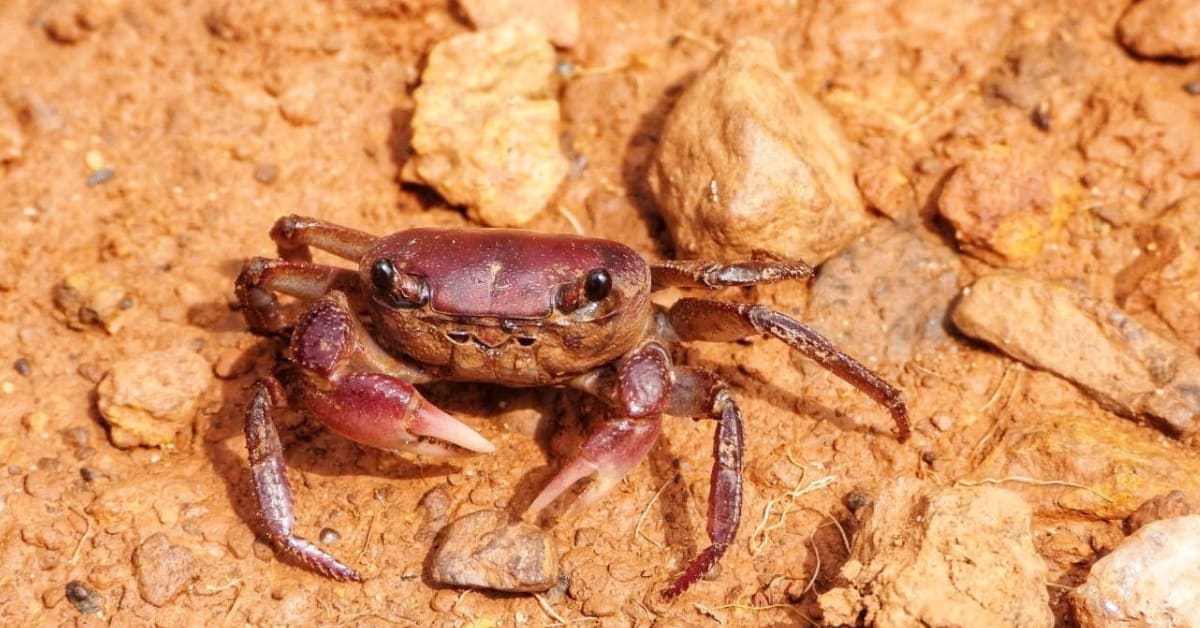
The Ripple Effect: The team also found that Palmyra harbors globally rare fungi species never before recorded in worldwide databases, some growing on aerial roots hanging five feet in the air. Even more surprising, the atoll's land crabs, with leg spans exceeding three feet, act as "ecosystem engineers" by excavating soil and significantly increasing fungal diversity within their burrows.
"Atoll forests may contain unique microbial communities found nowhere else on Earth," Wegmann said. "Protecting this hidden biodiversity is important because these microbes play critical roles in ecosystem health, resilience, and forest regeneration."
The findings suggest that successful island restoration requires thinking beyond what we can see, nurturing the invisible partnerships that make ecosystems thrive.
More Images

Based on reporting by Mongabay
This story was written by BrightWire based on verified news reports.
Spread the positivity!
Share this good news with someone who needs it