Rare Kentish Milkwort Explodes to 1,245 Plants in UK
A rare British flower once down to just a handful of plants has made a stunning comeback, with 1,245 self-sown plants now thriving at a single site. The Kentish milkwort's seven-fold population surge marks the largest colony of the species in the UK.
A rare British flower that nearly vanished forever is now blooming across the English countryside in numbers not seen in decades.
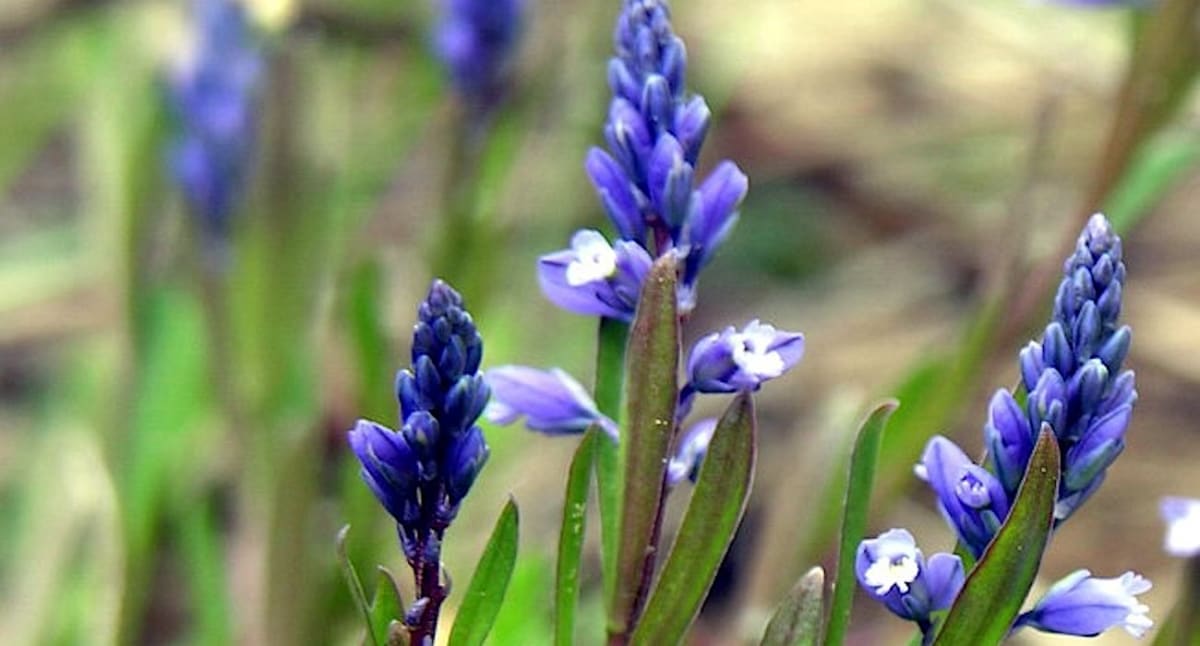
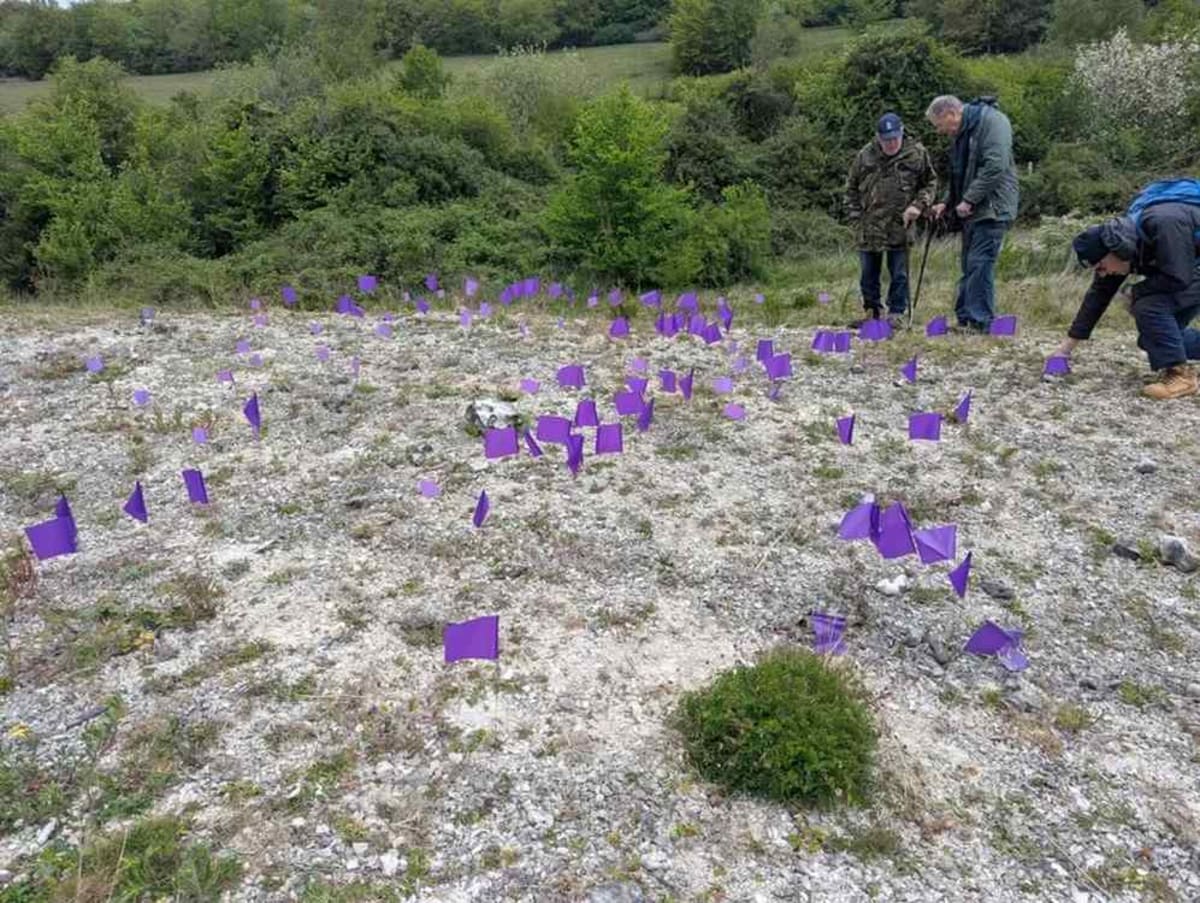
The Kentish milkwort, a delicate wildflower unique to Britain, has surged from 177 plants last year to an astonishing 1,245 this season at Queendown Warren in Kent. This seven-fold increase represents the largest population of the species anywhere in the UK.
Just over a decade ago, things looked grim for this small purple flower. By 2010, it survived at only three sites in Kent, its numbers so low that scientists recognized it as a distinct subspecies in urgent need of rescue.
Conservation teams swung into action in 2013. Experts at Kew Royal Botanical Gardens carefully cultivated seeds from the strongest surviving plants, creating a safety net without putting more pressure on the struggling wild populations.
The real work began in 2021 when researchers reintroduced the plants at Queendown Warren, a chalk grassland where the flower hadn't grown in over 50 years. Progress started slowly with just 17 plants in 2022, then 47 in 2023, followed by 86 in 2024 and 177 in 2025.
Then came this year's breakthrough. Last season's plants must have produced enormous amounts of seed, nearly all of which successfully sprouted across the site.
"The scale of this year's increase has been incredible to see," said Rob Pennington of Kent Wildlife Trust. The plants are clearly thriving in their restored habitat.
The success revealed important clues about what these flowers need to survive. They flourish in open, disturbed ground created by grazing animals and natural soil churning from rabbits and badgers on chalky soil.
The Ripple Effect
This recovery marks more than just one flower's comeback. The Queendown Warren population is now strong enough to become a donor site, meaning scientists can collect its seeds to restore the species at other suitable locations across Britain without harming the thriving colony.
The project brought together Kent Wildlife Trust, The Species Recovery Trust, Kew Royal Botanical Gardens, and dedicated local volunteers who counted each plant by hand. Their careful attention to the flower's ecology turned near extinction into explosive growth.
One flower's return to the chalky hills of Kent proves that even species on the brink can bounce back with patience, science, and care.
More Images



Based on reporting by Good News Network
This story was written by BrightWire based on verified news reports.
Spread the positivity!
Share this good news with someone who needs it