Rare Vulture Returns to Cambodia Refuge After 10 Years
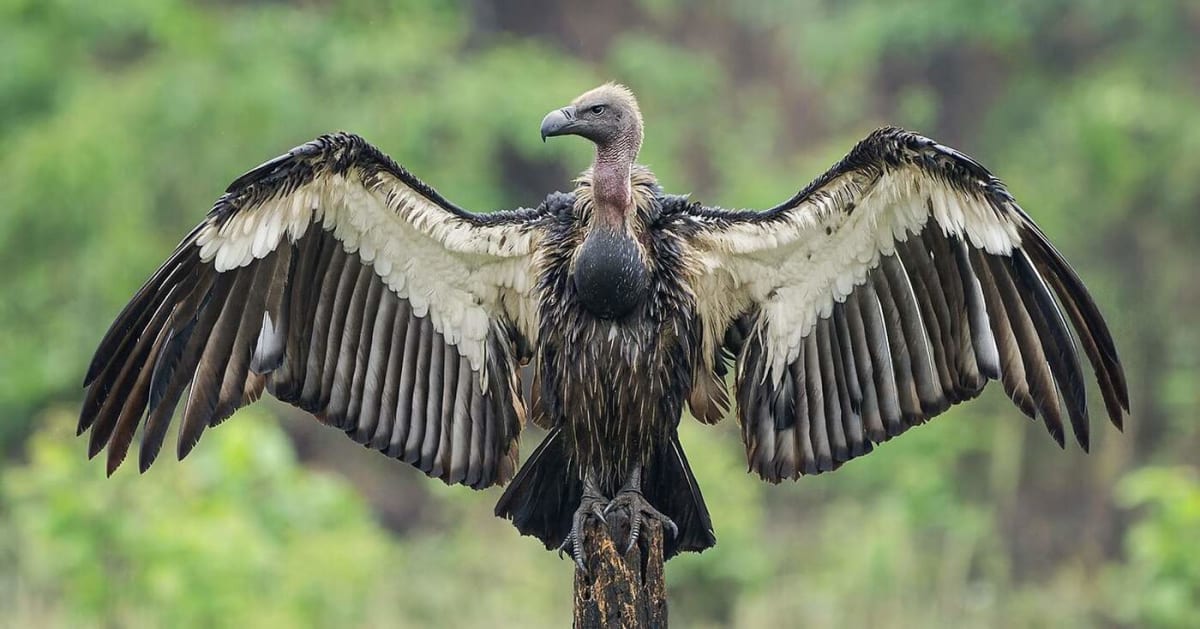
A critically endangered white-rumped vulture has been spotted in Cambodia's Lomphat Wildlife Sanctuary for the first time in a decade, proving conservation efforts work. The sighting comes after years of work to protect the species from poisoning and habitat loss.
A rare visitor just showed up at a Cambodian wildlife sanctuary, and it's proof that patience and hard work in conservation can bring species back from the brink.
Surveyors at Lomphat Wildlife Sanctuary spotted a white-rumped vulture this month at a special feeding station inside the protected area. It's the first sighting of this critically endangered species there in 10 years, marking a major win for NatureLife Cambodia and local conservation teams.
The vultures vanished after a poisoning incident wiped out the local population. Since then, conservationists have worked tirelessly to make the sanctuary safer and more welcoming for these important birds.
"The return of the white-rumped vulture shows that our conservation efforts are making a difference by improving habitat conditions and ensuring a reliable food source," said Bou Vorsak, chief executive of NatureLife Cambodia. The organization partners with the Ministry of Environment to protect wildlife throughout the sanctuary.
The same survey also counted five red-headed vultures, another critically endangered species that calls the sanctuary home. With fewer than 200 vultures total counted in the latest survey, every single bird matters.
Vultures do work that often goes unnoticed but matters enormously. They devour dead animals quickly, which prevents disease outbreaks and returns nutrients to the soil far faster than insects or bacteria could manage alone.
Their cleanup role also puts them at extreme risk. Vultures that feed on poisoned animals or carcasses containing lead bullets can die from secondary poisoning. Thanks to awareness campaigns, poisoning incidents in the area have dropped dramatically from more than 30 cases annually to just one to three cases per year.
The Ripple Effect
To keep vultures safe and well-fed, NatureLife Cambodia operates a "vulture restaurant" that provides a large carcass once a month. This feeding station ensures the birds have reliable food during lean times and reduces the chance they'll eat something dangerous.
The conservation work at Lomphat extends beyond vultures. The sanctuary protects countless other species in an ecosystem that depends on these remarkable birds to stay healthy and balanced.
One vulture sighting might seem small, but it represents years of community education, habitat restoration, and dedicated monitoring paying off in the most visible way possible.
More Images

Based on reporting by Good News Network
This story was written by BrightWire based on verified news reports.
Spread the positivity!
Share this good news with someone who needs it