Whyalla Bans Tours to Help Rare Cuttlefish Recover
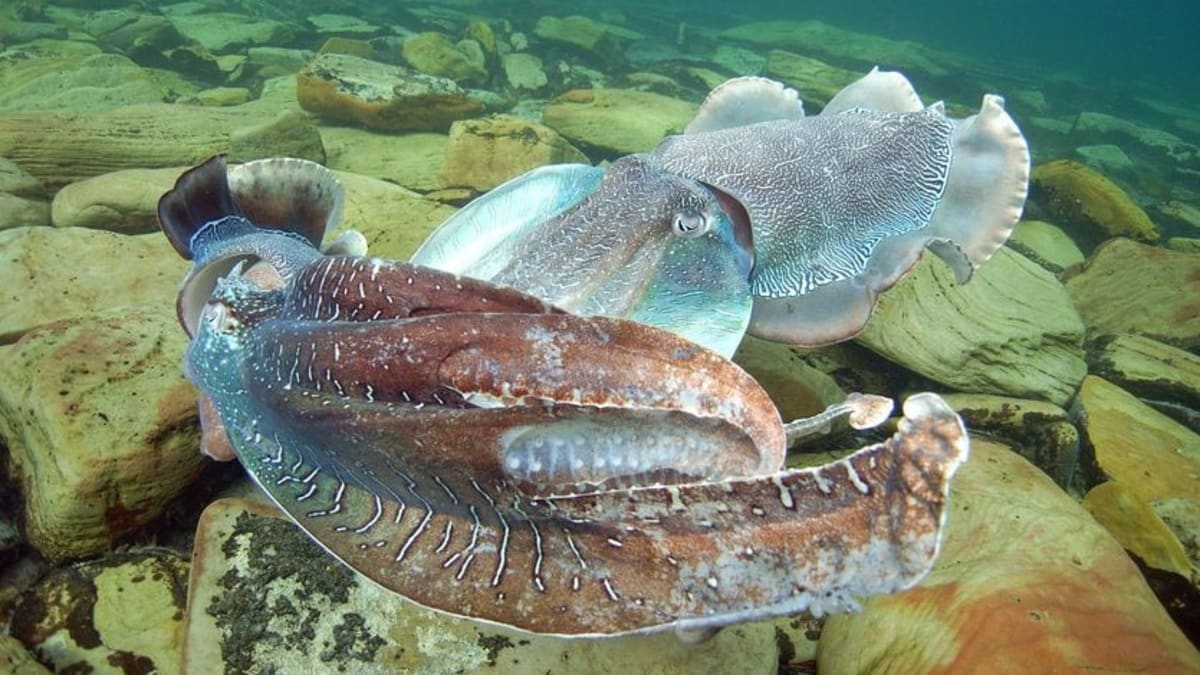
South Australia is protecting its famous giant cuttlefish with a 90-day sanctuary after breeding numbers dropped unexpectedly this winter. The community is rallying behind the conservation effort, even as tour operators face temporary losses.
The waters off Whyalla, Australia usually shimmer with tens of thousands of giant cuttlefish each winter, but this year brought an unwelcome surprise that's sparked an inspiring conservation response.
South Australia announced a temporary 90-day protection zone starting July 1st in the Upper Spencer Gulf between Black Point and Stony Point. Swimming, diving, snorkeling, and boat tours are now restricted in the cuttlefish sanctuary to give the iridescent creatures their best chance at successful breeding.
The giant Australian cuttlefish make an annual migration to these waters to breed, creating one of nature's most spectacular underwater displays. But recent surveys revealed significantly lower numbers than expected, prompting swift action from environmental officials and the local community.
Environment Minister Emily Bourke explained the restriction focuses on protecting the breeding zone where cuttlefish lay their eggs. Tour operators can still run trips at nearby Point Lowly, ensuring visitors can still experience the region's marine wonders while giving the cuttlefish space to recover.
The Bright Side
What makes this story truly hopeful is how the community responded. Local tour operators, divers, and the Whyalla City Council worked together with the government to create the protection plan, putting conservation ahead of immediate profits.
Matt Waller, a Whyalla tour operator who voluntarily stopped his season early, captured the collective spirit perfectly. "We run the risk when we work with the environment; we have good years and bad years," he told ABC Adelaide. "Everyone does unanimously agree these cuttlefish need to be protected."
The government is offering financial support through grants for impacted small businesses. Mayor Phill Stone acknowledged the disappointment but emphasized long-term thinking, noting that protecting the cuttlefish now "would pay off in the long term."
Scientists believe several factors may have contributed to the low numbers, including an algal bloom that affected waters where young cuttlefish typically swim. However, researchers pointed to past recoveries, noting that cuttlefish populations have bounced back within three years after previous declines.
The restriction isn't permanent. Officials will lift the ban immediately if cuttlefish numbers improve, and they're monitoring the situation closely throughout the 90-day period.
Whyalla is still encouraging visitors to explore the region's abundant marine life, including dolphins, crabs, and snapper visible through glass-bottom boat tours. The temporary sacrifice shows how a community can choose hope and patience over short-term gain, trusting that nature will reward their care.
When people and wildlife needs collide, this coastal town chose collaboration over conflict and long-term thinking over quick profits.
More Images



Based on reporting by ABC Australia
This story was written by BrightWire based on verified news reports.
Spread the positivity!
Share this good news with someone who needs it