West Virginia Bat Count Shows 150 More in Endangered Cave
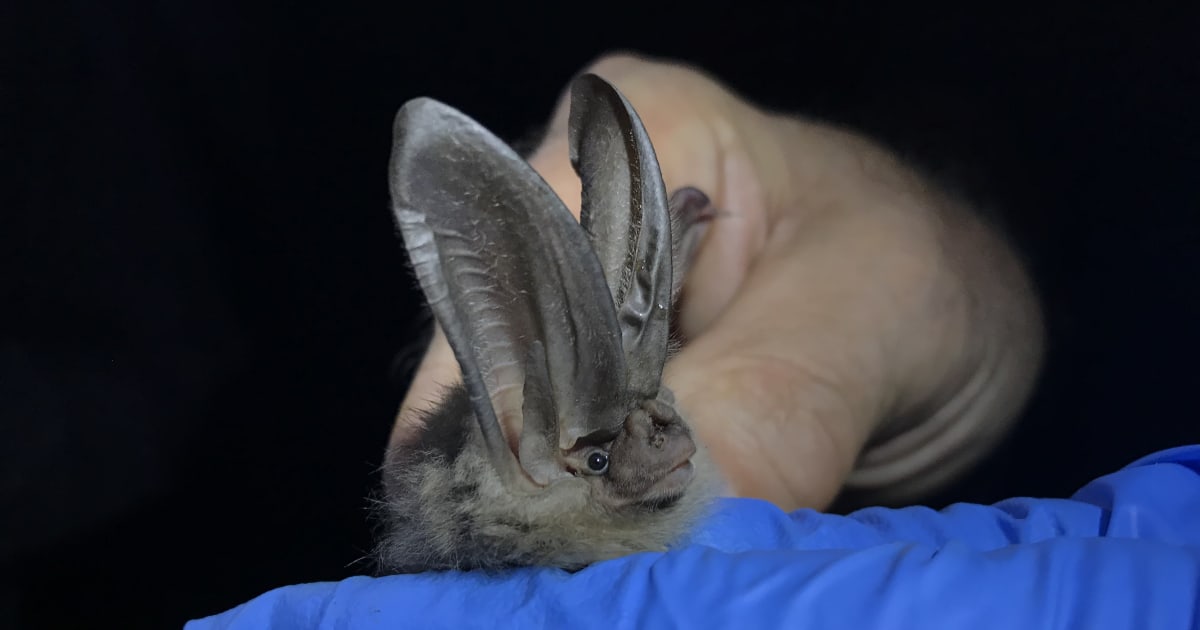
An endangered bat population in West Virginia just grew by 150, and that's great news for farmers who depend on these tiny pest controllers worth billions. Scientists tracking Virginia big-eared bats found over 1,500 at a single maternity cave, proof that careful monitoring can help threatened species bounce back.
Deep in a West Virginia mountainside, more than 1,500 bats streamed out of a cave entrance at sunset, and for endangered species coordinator Alex Silvis, every single one was worth celebrating.
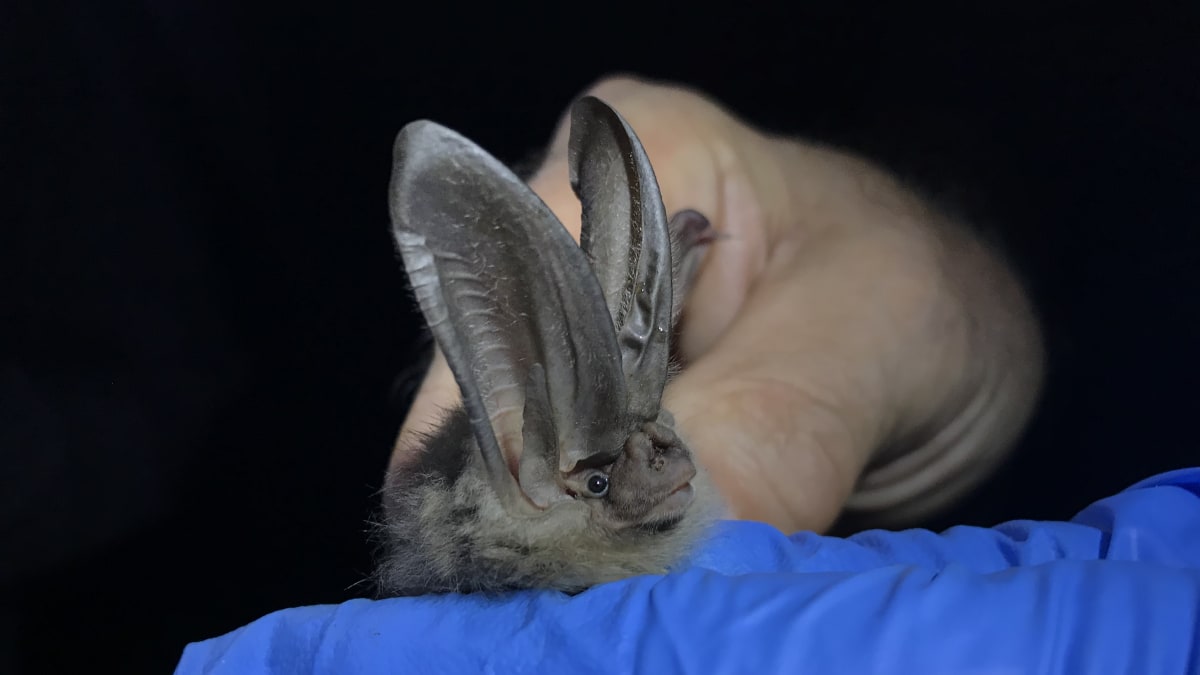
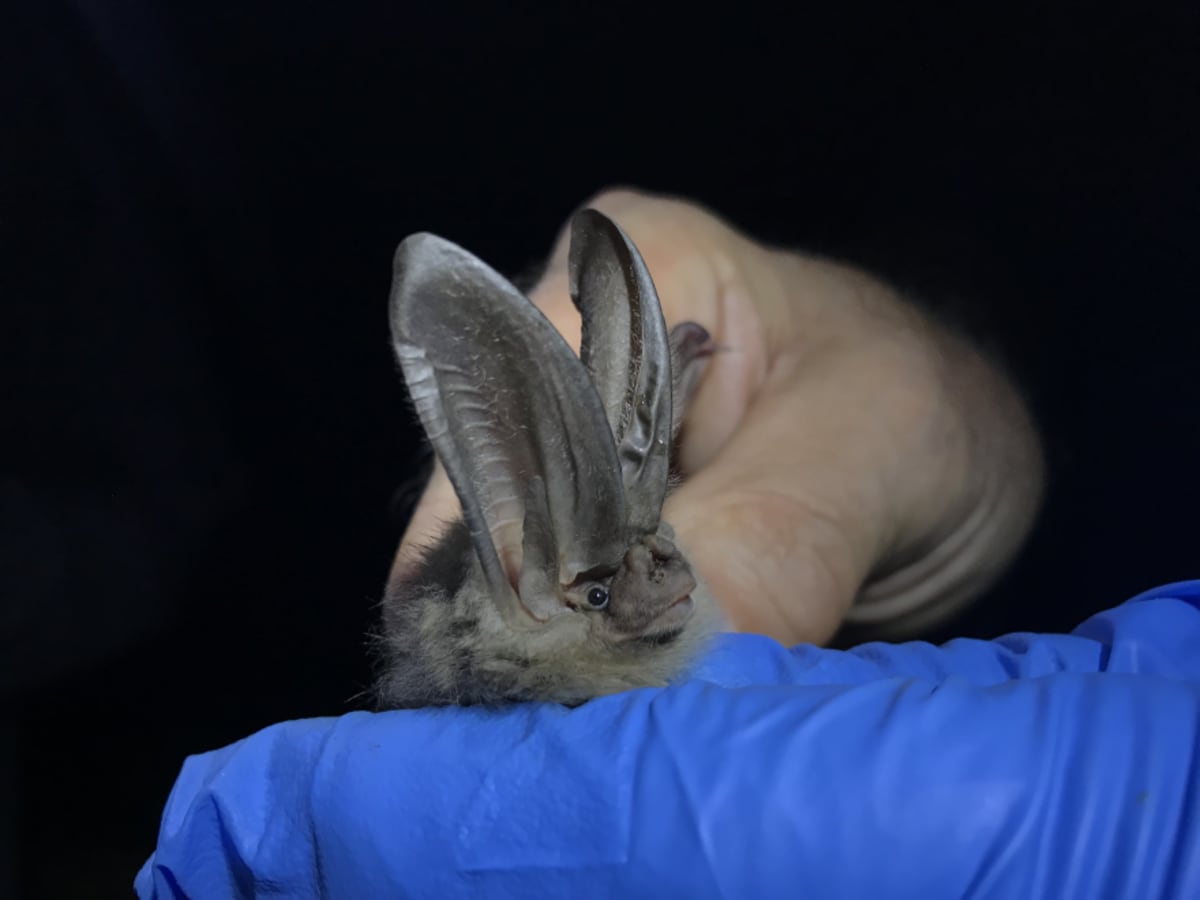
The Virginia big-eared bats he counted represented 150 more individuals than the year before. That's real progress for a species that's been endangered since 1979, with more than half of all remaining populations calling West Virginia home.
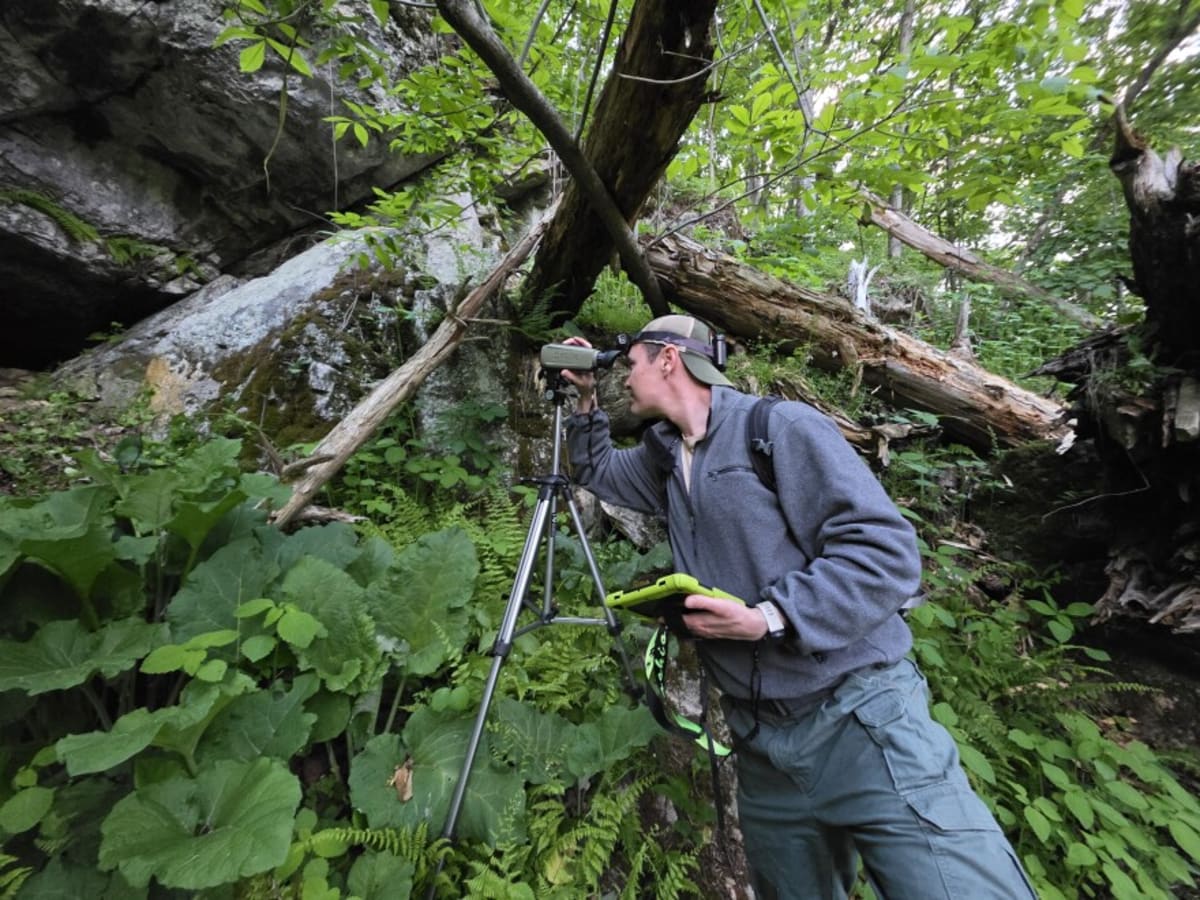
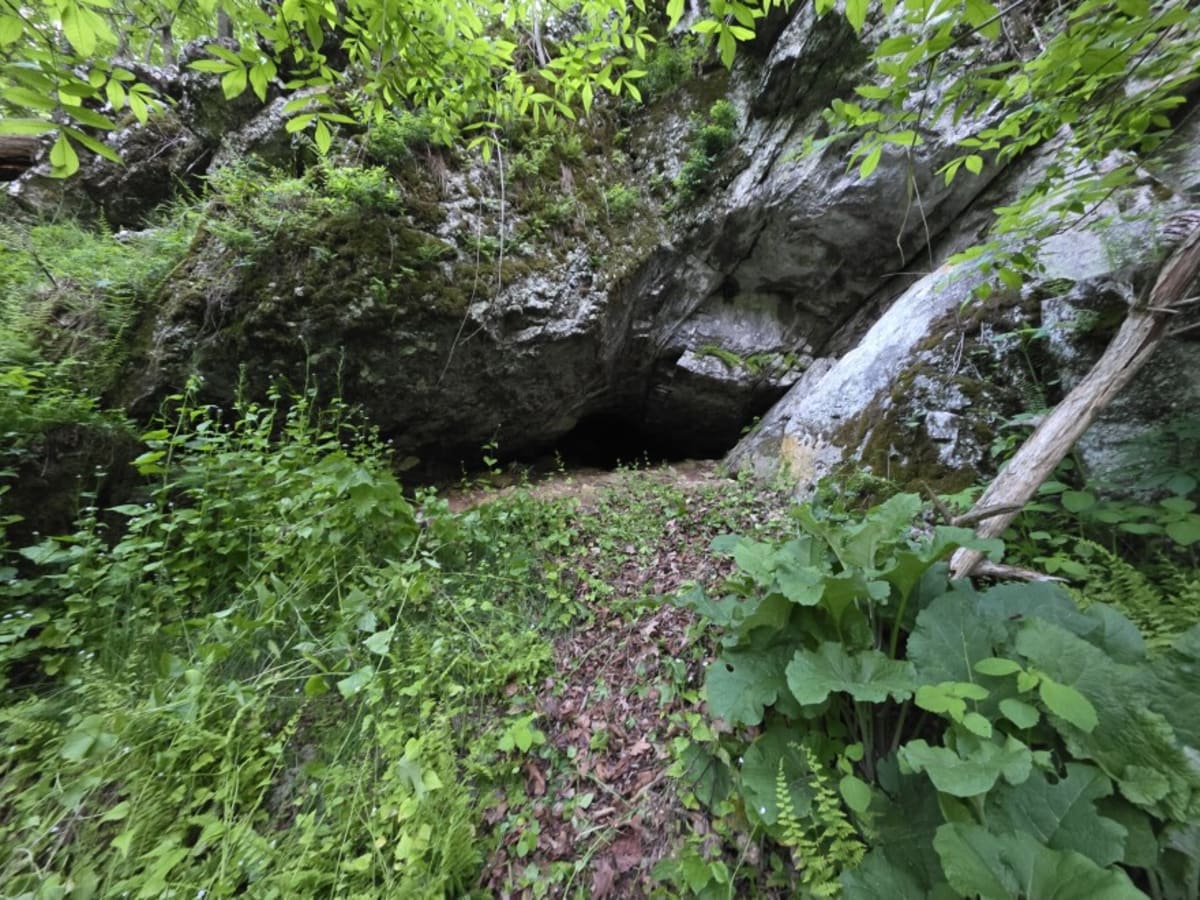
Silvis and his team monitor 11 maternity caves each year, hiking up nearly vertical hillsides to reach entrances no bigger than 7 feet across. Using infrared cameras after dark, they count every bat that emerges, tallying them in groups of five over two hours.
The work matters more than most people realize. Bats save American farmers over $8 billion annually by devouring crop-destroying insects. A single bat can eat 1,000 moths in one evening, and each moth can lay thousands of eggs that would become hungry caterpillars munching through fields.
John Moredock from the West Virginia Department of Agriculture points out that farms without bats see 20 to 50% more agricultural pests. That means higher pesticide costs and greater crop losses for an industry worth $800 million in West Virginia alone.
The threat to bat populations is real. White-nose syndrome, a fungal disease first detected in the U.S. in 2006, has killed nearly 6 million bats and wiped out over 99% of some species. Climate change threatens the specific temperature and humidity ranges bats need to survive in their caves.
More than half of North American bat species now face a moderate to very high risk of extinction within the next 15 years. Virginia big-eared bats have avoided white-nose syndrome so far, making their population increase even more significant.
The Ripple Effect
When bat populations thrive, the benefits cascade through entire ecosystems. Fewer crop pests mean farmers can reduce pesticide use, which protects water quality and creates healthier environments for the bats themselves. It's a positive cycle where nature's pest control reduces the need for chemicals that harm the very creatures providing the service.
The connection runs deeper than just agriculture. Healthier bat populations mean healthier forests, gardens, and natural spaces where insects are kept in balance naturally.
Back at the Franklin cave, Silvis packed up his equipment after counting every bat that emerged into the night sky. The 150-bat increase might seem small, but for an endangered species fighting disease and climate change, every single addition to the count represents hope for recovery.
More Images
Based on reporting by Google: species saved endangered
This story was written by BrightWire based on verified news reports.
Spread the positivity!
Share this good news with someone who needs it