Red Light Therapy Helps Struggling Bee Colonies Thrive
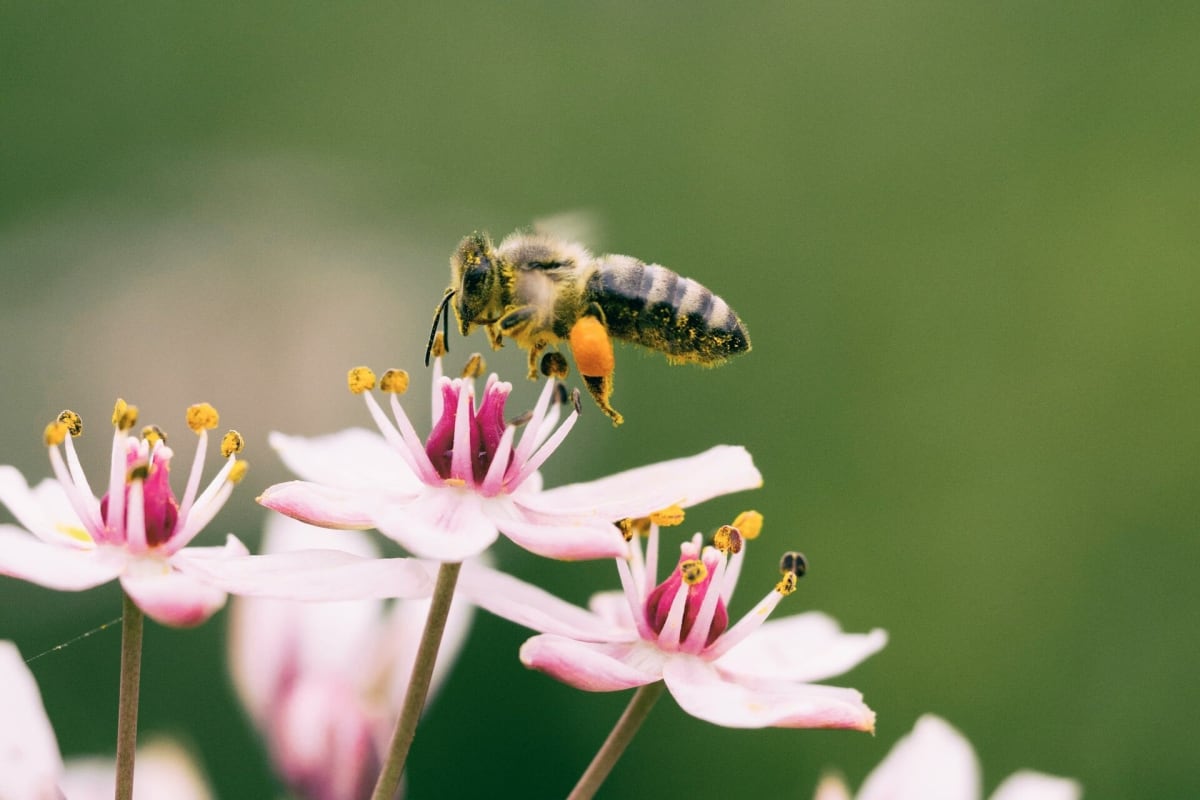
A new in-hive light therapy device is helping honeybee colonies survive longer and pollinate more effectively after exposure to stress. The innovation comes as US beekeepers lost nearly 60% of colonies last winter.
Honeybees are getting a surprising health boost from the same red light therapy humans use for anti-aging and muscle recovery.
A French-Norwegian agritech company called Beefutures has launched Onibi Light, the world's first in-hive therapy device for bees. The technology uses red and near-infrared light to stimulate mitochondria in bee cells, just like it does in humans.
The timing couldn't be more critical. Nearly 60% of US honeybee colonies were lost last winter, while French beekeepers reported losses up to 50%. These tiny pollinators are responsible for growing much of our food supply.
Studies from University College London show the light therapy works remarkably well. Bee colonies exposed to pesticides or transportation stress bounced back within days when supported by the device.
"Our research shows that treated bees experience enhanced cellular respiration, improved visual acuity and stronger immunity," said Glen Jeffery, a neuroscience professor at UCL. The bees essentially get stronger at a cellular level.
Colonies using the red light treatment handled major stressors better than untreated hives. They survived heat waves, extreme weather, and pesticide exposure more effectively while pollinating more plants.
The Ripple Effect
The innovation reaches far beyond individual beehives. When bee populations strengthen, entire food systems become more secure.
"When the bees stop buzzing, our food stops growing," said Christophe Brod, CEO of Beefutures. The company developed Onibi Light specifically to give beekeepers and farmers a practical tool to protect their colonies.
Beekeepers can now install the lights inside hives where bees naturally cluster. The therapy runs automatically, requiring minimal intervention while delivering consistent benefits to the colony.
The collaboration between Beefutures and UCL transformed years of research into a product beekeepers can actually use. Early trials proved successful enough to bring the device to market this year.
Stronger bees mean better pollination for crops, which translates to more reliable food production for communities everywhere.
Based on reporting by Positive News
This story was written by BrightWire based on verified news reports.
Spread the positivity!
Share this good news with someone who needs it