Remote Volunteers Save England's Red Squirrels via CCTV
A conservation group in Northumberland is turning retirees and people with limited mobility into wildlife defenders using motion-activated cameras. The innovative "virtual ranger" project lets volunteers monitor endangered red squirrels from their own homes.
Passionate animal lovers who can't trek through remote forests are now protecting one of England's most endangered species from their living rooms.
The Upper Coquetdale Red Squirrel Group received £18,000 from the National Lottery Heritage Fund to deploy 50 motion-activated cameras across the rugged hills of Northumberland. Volunteers anywhere in the country can monitor the live footage on their phones, tracking red squirrel populations and spotting threats before they spread.
The idea came straight from the community. During conservation presentations, older residents expressed frustration that their limited mobility kept them from helping protect local wildlife.
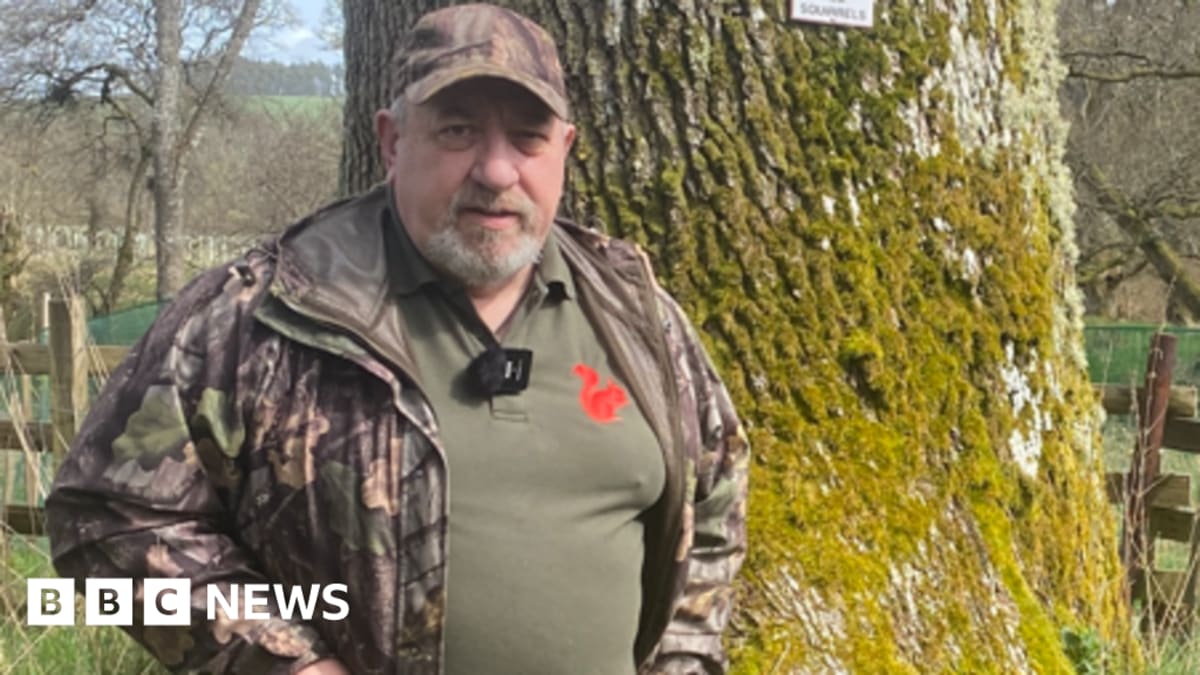
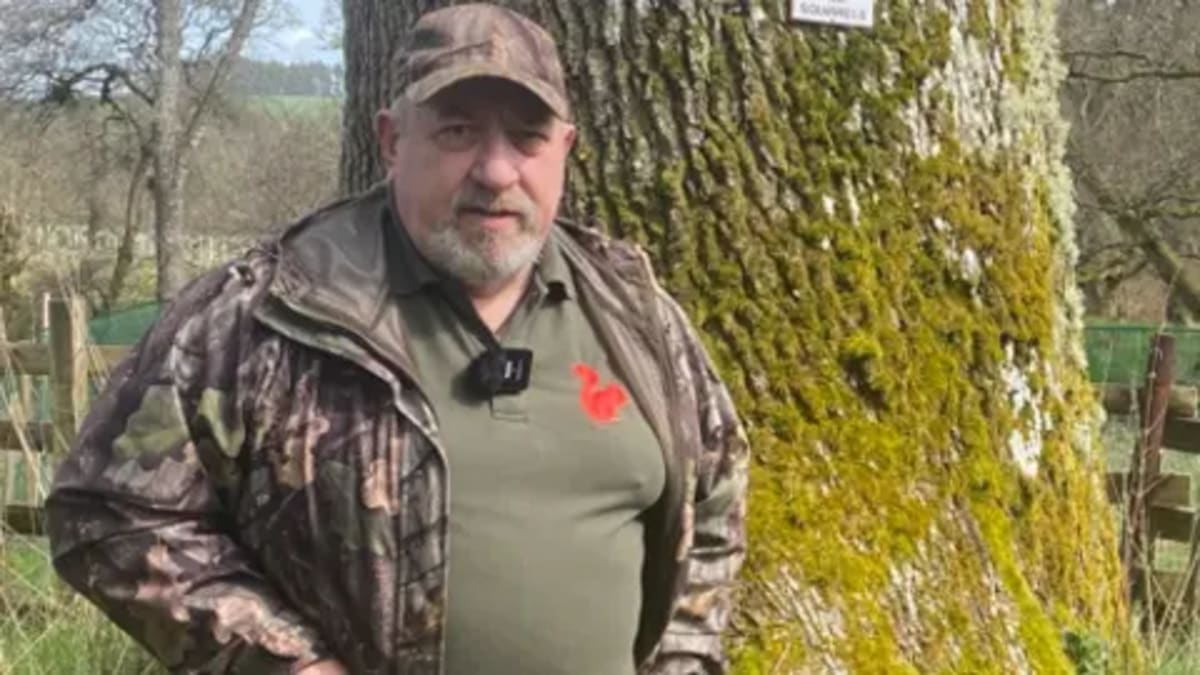
"It allows older residents who might find physical fieldwork too challenging to become wildlife defenders," said Ian Glendinning, chair of the conservation group. Now anyone with a mobile phone can join the effort, regardless of age or location.
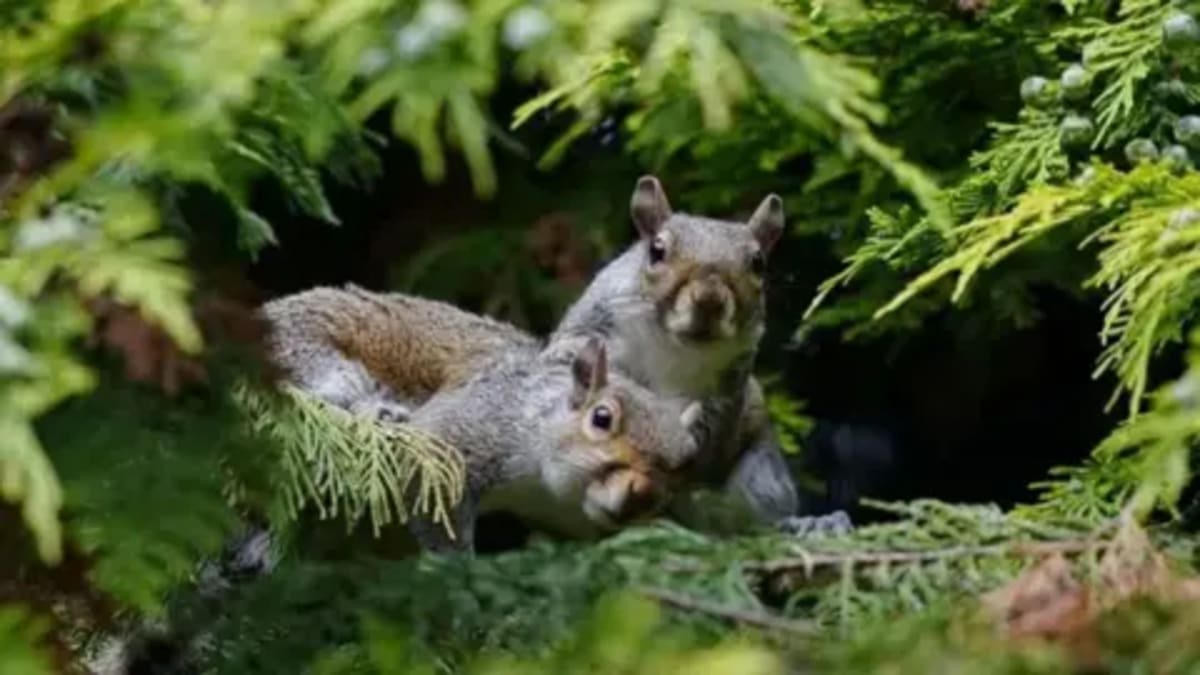
The timing couldn't be more critical. Only about 15,000 red squirrels remain in England, pushed to the edge of extinction by invasive grey squirrels from North America. The larger greys carry a pox virus that doesn't affect them but kills red squirrels quickly.
The cameras will help detect grey squirrel invasions early, giving conservationists time to respond. The real-time data lets teams direct their efforts exactly where they're needed most, rather than guessing which areas face the greatest danger.
The Ripple Effect
This project is changing who gets to participate in conservation work. Housebound residents who thought their days of contributing to nature were over now have front-row seats to Coquetdale's hidden wildlife.
Volunteers will share the best footage online, creating a window into the secret lives of woodland creatures for people who might never visit these remote areas. What started as a way to save red squirrels is becoming a community connection point.
Local councillor Steven Bridgett praised the initiative for putting residents "at the heart of conservation" and creating real teamwork between remote monitors and field workers. The two-year project funds everything needed: cameras, memory cards, a laptop for processing video, and travel expenses for equipment installation.
The virtual rangers are proving that conservation doesn't require hiking boots and backpacks anymore, just a caring heart and a smartphone.
More Images

Based on reporting by BBC Science
This story was written by BrightWire based on verified news reports.
Spread the positivity!
Share this good news with someone who needs it