Removing Rats From Islands Restores Reefs in Just One Year
Scientists expected island ecosystems to take decades to recover after removing invasive rats. Instead, both land and ocean life bounced back in just 12 months.
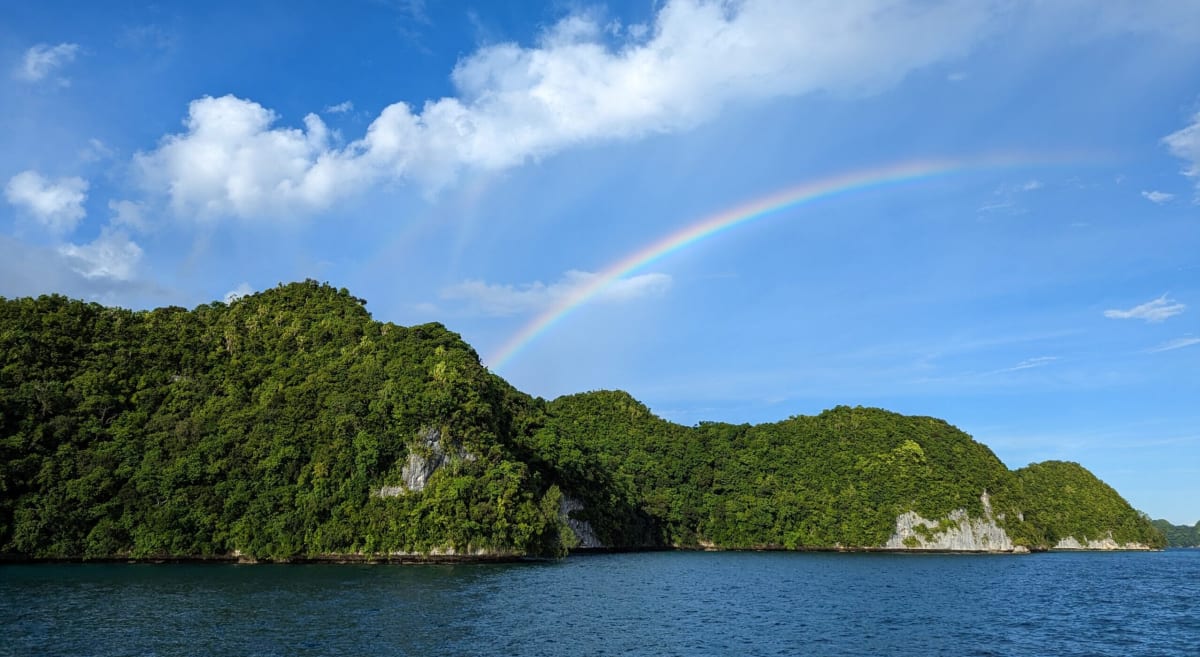
When researchers cleared invasive rats from a tiny island in Palau, they watched nature heal itself faster than anyone thought possible.
Ulong Island once crawled with so many rats that the normally nocturnal rodents appeared in broad daylight, terrorizing campers and decimating wildlife. These opportunistic predators feasted on seabird eggs and chicks, nearly wiping out nesting colonies. Researchers from Island Conservation decided to remove every single rat and measure what happened next.
They designed a careful experiment, clearing Ulong completely while leaving rats on nearby Ngeruktabel Island as a comparison. Before eradication, teams recorded bird calls, tested soil samples, and measured fish populations and coral health in surrounding waters.
One year later, the transformation stunned everyone. Bridled tern calls surged by 286 percent. Brown noddy and white tern detections jumped by roughly 50 percent. The birds returned in force, freed from the predators that had destroyed their nests for years.
But the real surprise came from the ocean. Seabirds created what scientists call a "circular economy" by foraging at sea, bringing nutrients back to land, and enriching the soil. Rain eventually washes these nutrients into the surrounding waters, feeding marine life.
The result was dramatic. Fish populations exploded, with one location recording a 183 percent increase in biomass. Reef-building coral showed signs of improvement as seabird-derived nutrients began fueling productivity around the island.
"It's powerful proof that terrestrial action spills over into benefits for surrounding reef communities, which people rely on for their livelihoods," said Nathaniel Hanna Holloway, a marine ecologist at Scripps Oceanography.
The Ripple Effect
Coral Wolf, conservation science program manager at Island Conservation, said her team expected meaningful recovery to take decades. Seeing measurable gains in just 12 months "is pretty remarkable and gives us hope for the restoration of the Rock Islands across this island community," she explained.
The study demonstrates how removing a single invasive species can trigger cascading benefits across entire ecosystems. What happens on land directly influences ocean health, creating opportunities for coastal communities that depend on fishing and healthy reefs.
Island Conservation is now submitting the study for publication, hoping other island nations will see how quickly nature can heal with the right intervention.
One small island, one bold action, and proof that recovery can happen faster than we dare to hope.
More Images



Based on reporting by Mongabay
This story was written by BrightWire based on verified news reports.
Spread the positivity!
Share this good news with someone who needs it