Researcher Preserves Voices of UK's Lost Science Golden Age
A PhD researcher recorded nearly 100 hours of interviews with government scientists from Britain's once-thriving public research centers, capturing a forgotten era when 5% of science graduates joined prestigious labs that changed the world. These recordings now live in the British Library, preserving stories of innovation, curiosity, and purpose-driven work.
Twenty voices now echo through the British Library's sound archive, telling stories of a scientific world that no longer exists.
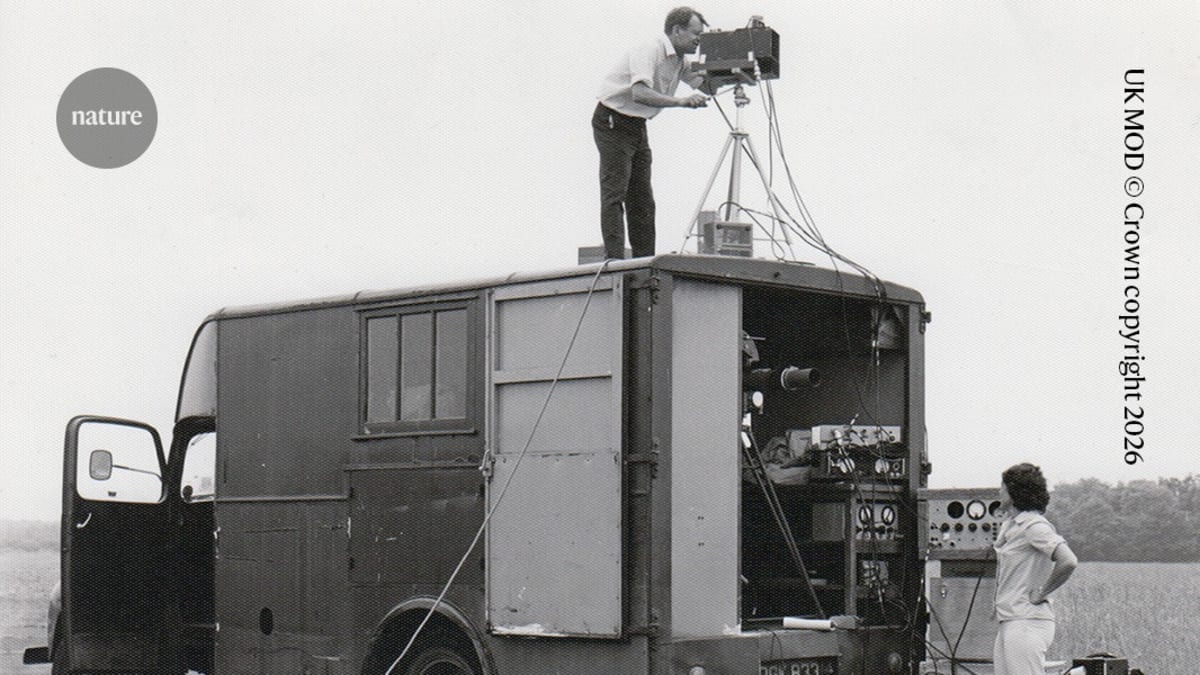
Between 2.5 and 19.5 hours each, these interviews capture the golden age of UK government science. In the 1970s and 80s, massive research centers like the Royal Aircraft Establishment employed thousands of scientists working on everything from helicopter acoustics to weapons systems.
Bill Knight, a PhD researcher, spent years tracking down former government scientists to record their memories. His subjects included Susan James, who joined the Royal Aircraft Establishment at 19 in 1979, and Anthony Bravery, a timber specialist who worked at the Building Research Establishment until 2011.
What they described was remarkable. At its peak in 1976, Britain's scientific civil service employed 35,000 staff, including 18,000 scientists. One in twenty science graduates chose this path over academia or private industry.
The appeal was clear. "It sat between the two extremes of university and industry," explains Paul Cannon, who joined in 1981 as a space-weather researcher. Mike Westby adds it offered "the excitement of working in a university but with more stability and security."
These weren't just jobs. They were careers driven by purpose. Scientists wanted their work recognized internationally, not for promotion but for pride. "Our objective was to publish a paper that somebody in Germany or France would say, 'that's really good stuff'," Bravery recalls.
David Dunford started at 16 in 1975, attracted by hands-on work. The establishment supported his PhD and launched him into collaborations with international teams. Steve Rooks remembers "the excitement of the work, the people, the places they go, the ability to work with so many different organizations."
Why This Inspires
These recordings preserve something precious beyond scientific achievements. They capture the voices of people who chose public service over profit, curiosity over commerce.
Knight's work ensures that future generations can hear directly from scientists who believed their skills belonged to everyone. The interviews reveal workplaces buzzing with ideas and the freedom to innovate, even within civil service constraints.
One scientist described the rush during the 1982 Falklands War, when lengthy bureaucracy vanished overnight to get essential equipment onto aircraft. Another talked about the resentment of rigid hierarchies, but also the deep satisfaction of being recognized internationally for groundbreaking work.
These weren't just research centers. They were communities of brilliant, practical, curious people working for the public good.
Now their stories won't be forgotten. Nearly 100 hours of memories sit safely in the British Library, ready to inspire the next generation of scientists who believe their work can change the world.
More Images


Based on reporting by Nature News
This story was written by BrightWire based on verified news reports.
Spread the positivity!
Share this good news with someone who needs it