Rhodes Opens 50-Acre Heritage Zone in UNESCO Medieval City
Greece just transformed a forgotten archaeological site into a massive open-air museum spanning 20 hectares in Rhodes' Medieval City. Visitors can now walk through 2,000 years of history in one continuous experience.
A surprise archaeological discovery in 2021 has bloomed into one of the Mediterranean's most ambitious cultural tourism projects, giving travelers a chance to experience centuries of history in a single afternoon.
Greece officially opened three interconnected heritage zones in Rhodes' UNESCO-protected Medieval City this month. The centerpiece is Pervola, a sprawling open-air museum where Greek, Roman, Byzantine, medieval, and Ottoman ruins sit side by side, telling the story of civilizations that shaped the Eastern Mediterranean.
The project covers roughly 50 acres and turns what was once hidden archaeology into a fully accessible cultural landscape. Visitors can now walk directly from the Palace of the Grand Master through restored Medieval Gardens to the newly opened archaeological site of the Hellenic Youth, experiencing layer after layer of history without ever leaving the heritage district.
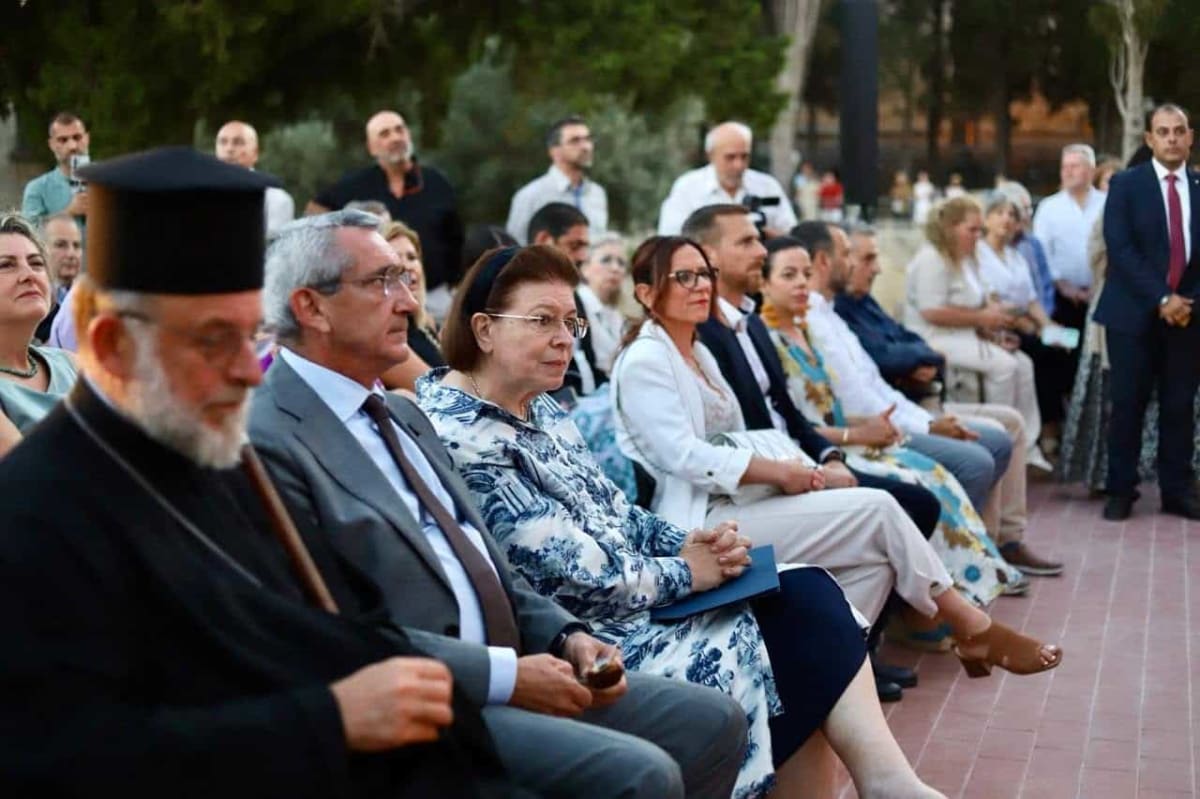
Minister of Culture Lina Mendoni inaugurated the sites, which had been reimagined after construction crews stumbled upon forgotten ruins in late 2021. Instead of isolating the discovery, planners wove it into a broader vision for immersive heritage tourism.
The approach marks a shift from traditional museum-style archaeology to something more engaging. Rather than roping off ancient stones behind barriers, Rhodes built walkable corridors where different eras flow into each other naturally, letting visitors experience history as a continuous story rather than disconnected artifacts.
The Ripple Effect
The transformation is already reshaping Rhodes' tourism economy in positive ways. Cultural tourism ranks among the fastest-growing travel segments globally, and Rhodes is positioning itself to capture visitors seeking authentic historical experiences over beach resorts alone.
Local tour guides, museums, hospitality businesses, and creative industries are expanding to meet growing demand for interpretive experiences. The project extends visitor stays by offering deeper engagement with the island's rich past, benefiting local businesses while protecting heritage for future generations.
Prime Minister Kyriakos Mitsotakis visited the site, signaling national recognition of its importance. Rhodes now stands alongside Athens, Istanbul, and Valletta as a premier Eastern Mediterranean destination for history-focused travelers, particularly those from Europe and long-haul markets seeking educational experiences.
The development also creates a model other heritage cities can follow: turning underutilized archaeological zones into vibrant public spaces that serve both tourism and cultural preservation. By making history accessible and engaging rather than academic and distant, Rhodes demonstrates how ancient sites can thrive in modern contexts.
Greece has turned forgotten ruins into a gift that keeps giving, proving that the best way to honor the past is making it come alive for the present.
Based on reporting by Google: archaeological discovery
This story was written by BrightWire based on verified news reports.
Spread the positivity!
Share this good news with someone who needs it
%2Fhttps%3A%2F%2Ftf-cmsv2-smithsonianmag-media.s3.amazonaws.com%2Ffiler_public%2F75%2F34%2F75342ac4-0f4b-4563-a63d-3012f0feae31%2Fgettyimages-2293659629.jpg)
%2Fhttps%3A%2F%2Ftf-cmsv2-smithsonianmag-media.s3.amazonaws.com%2Ffiler_public%2Fef%2F5b%2Fef5b9055-962e-483d-b70c-ed912c2a6481%2Fviikinkaikainen_rahakatko.jpeg)