
RNA Therapy Cuts Infant Hydrocephalus by 67% in Mice
Scientists prevented a life-threatening brain condition in newborn mice using RNA therapy, reducing cases by 67%. The breakthrough could spare thousands of babies from risky brain surgery each year.
Scientists just took a major step toward preventing a dangerous brain condition that affects one in every 1,000 newborns.
Researchers at McGill University successfully used RNA therapy to prevent hydrocephalus in mice, reducing cases from 75% to just 25% in newborns. The finding offers hope that babies born with genetic mutations causing this condition could one day avoid invasive brain surgery altogether.
Hydrocephalus, sometimes called water on the brain, happens when fluid builds up inside the skull and puts dangerous pressure on brain tissue. About 40% of cases stem from single gene mutations that prevent the brain from properly absorbing cerebrospinal fluid. Without treatment, the condition can cause severe brain damage or death.
The current standard treatment involves surgically implanting a shunt to drain excess fluid from the brain. These operations carry serious risks including infection, and the shunts often need replacement as children grow.
Dr. Carl Ernst and his team at the Montreal Neurological Institute-Hospital focused on a rare disorder called Schinzel-Giedion Syndrome, where many children develop hydrocephalus. The syndrome involves a mutation in the SETBP1 gene that causes cells to produce too much of a specific protein, leading to fluid buildup.
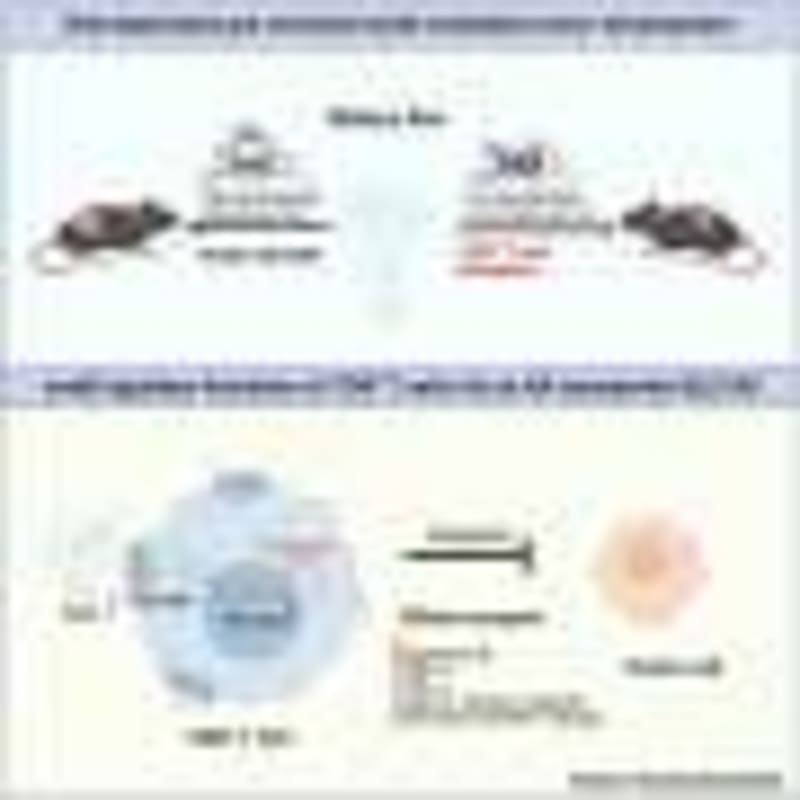
The researchers gave pregnant mice an oligonucleotide, a type of RNA therapy that corrects the effects of the genetic mutation. The results exceeded their expectations.
"The fact that RNA targeting a single gene could have such a major impact on preventing hydrocephalus in mice engineered to have this disease was very shocking to us," Ernst said. The team published their findings in the journal Molecular Therapy.
The Ripple Effect
While this specific treatment targeted one rare genetic mutation, the approach opens doors for treating hydrocephalus caused by other genes. Scientists could potentially develop similar RNA therapies customized for different genetic causes of the condition.
This matters because it introduces an entirely new class of treatment for a condition that has long required surgery as the only option. If the therapy proves safe and effective in human trials, it could transform care for thousands of families facing this diagnosis each year.
The research represents the first time scientists have successfully used RNA therapy to prevent hydrocephalus before it develops, marking a fundamental shift in how doctors might approach this serious condition.
Families won't see this treatment at their doctor's office tomorrow, but the path forward just became much clearer.
More Images



Based on reporting by Medical Xpress
This story was written by BrightWire based on verified news reports.
Spread the positivity!
Share this good news with someone who needs it