Robot Floats Solve Antarctica's Sea Ice Mystery
Deep-diving robots just helped scientists crack a decades-old puzzle about Antarctica's sea ice, revealing how ocean warmth and shifting winds suddenly reversed 40 years of ice growth. The breakthrough gives us powerful new tools to predict sea level changes that affect every coastline on Earth.
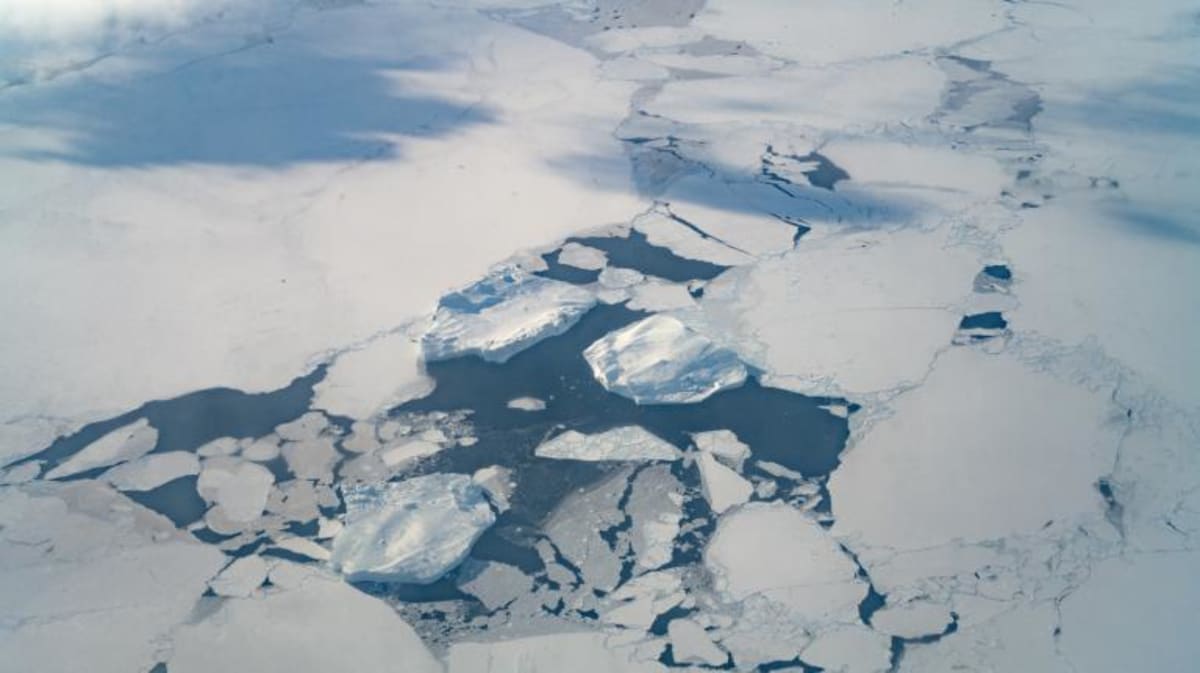
Scientists have finally figured out why Antarctica's sea ice mysteriously grew for decades, then suddenly collapsed in 2016.
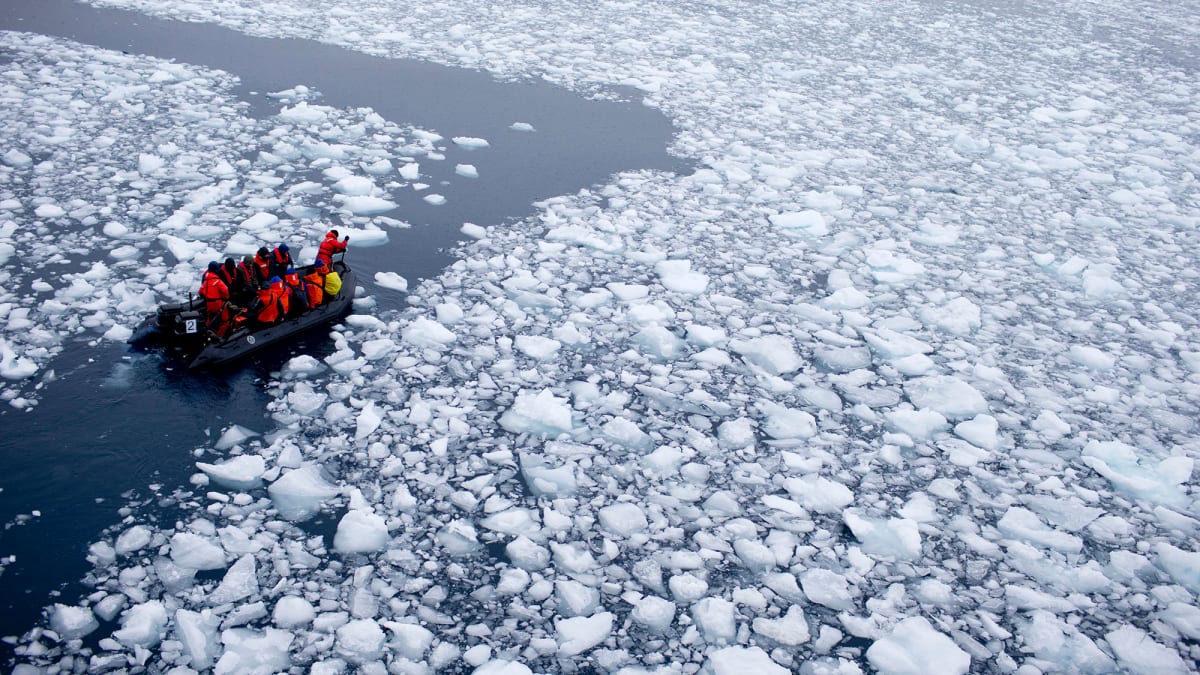
The answer came from an unlikely source: torpedo-shaped robots the size of humans that have been quietly diving thousands of feet below the Southern Ocean's surface. These "Argo floats" measured temperature and salinity for years, revealing a hidden story about what's happening beneath the ice.
"The ocean plays a huge role in how sea ice can vary from year to year, decade to decade," said Earle Wilson, a polar oceanographer at Stanford University who led the research. His team discovered that the puzzle comes down to three things: salt, wind, and ocean churn.
Here's what the robots found. Unlike most oceans where the sun warms the surface, Antarctica's frigid air actually cools the top layer while warmer water swirls below. For decades before 2016, increased precipitation made surface waters fresher, creating layers that trapped heat deep underwater like a lid on a pot.
Then the winds shifted. Stronger gusts pushed surface water away from Antarctica and churned up all that pent-up warmth from below. Wilson describes it as "a very violent release of all that built-up heat" that caused the dramatic ice decline.
The wind shift itself may be linked to climate change. As Earth warms, temperature differences in the atmosphere strengthen and redirect winds, though scientists are still working out exactly how much human activity contributed versus natural variation.
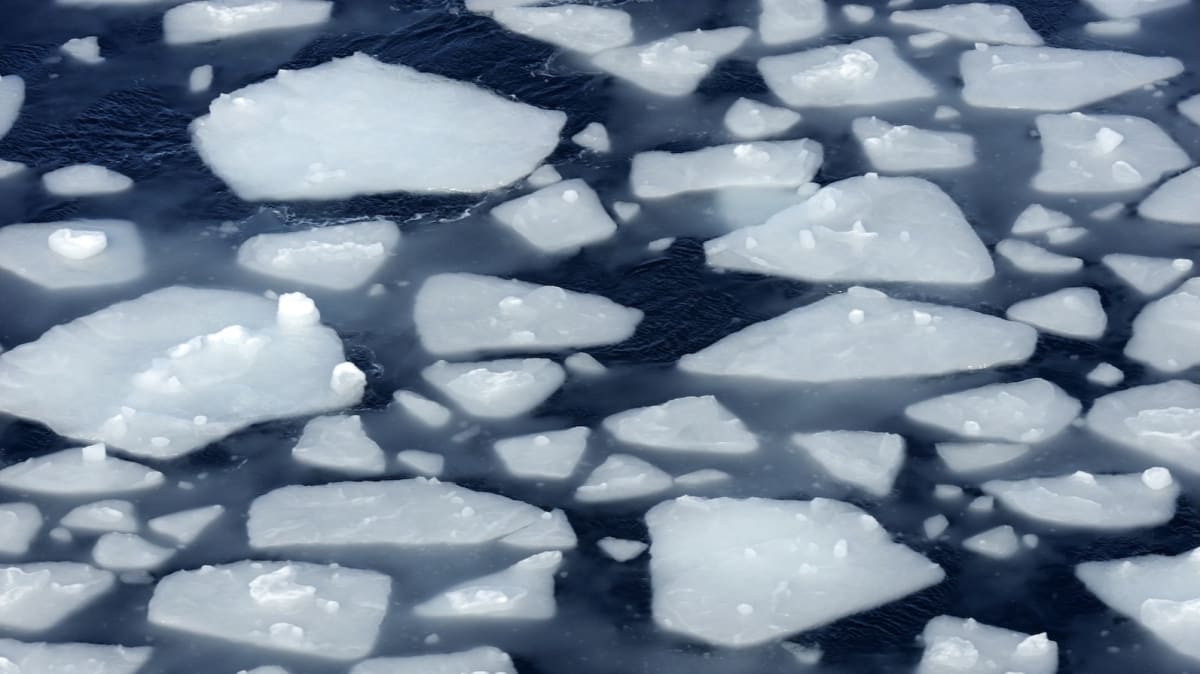
The stakes extend far beyond Antarctica. Sea ice acts as a buffer protecting massive ice shelves that hold back the continent's ice sheet. Without that protection, those shelves weaken from waves and warming water, and if they fail, they could release enough ice to raise global sea levels by 190 feet.
The Bright Side
This breakthrough means we can now predict Antarctic changes more accurately than ever before. The Argo network provided data that was impossible to gather before, turning mysterious ice behavior into understandable patterns.
Scientists are expanding their monitoring networks across Antarctica, building the tools to forecast sea level rise that affects every coastal community worldwide. While Wilson expects the long-term trend will show ice decline, understanding these cycles helps communities prepare and adapt.
"We need more international support to continue building observing networks," said Zachary Labe, a climate scientist at Climate Central. That support is growing as nations recognize how Antarctic changes ripple across the planet.
The mystery that puzzled researchers for decades now has an answer, and that knowledge becomes power to protect coastlines from California to Bangladesh.
More Images

Based on reporting by Grist
This story was written by BrightWire based on verified news reports.
Spread the positivity!
Share this good news with someone who needs it