Robot Helps Unlock Philippines' 40,000-Year Seafaring Past
Scientists at Ateneo de Manila University created ArchaeoBot, a robot archaeologist that's revealing how ancient Filipinos mastered ocean navigation tens of thousands of years before anyone thought possible. The discovery rewrites Southeast Asian history and shows how modern AI can unlock secrets buried for millennia.
Long before Spain arrived, ancient Filipinos were crossing open seas with technology so advanced it challenges everything we thought we knew about early human migration.
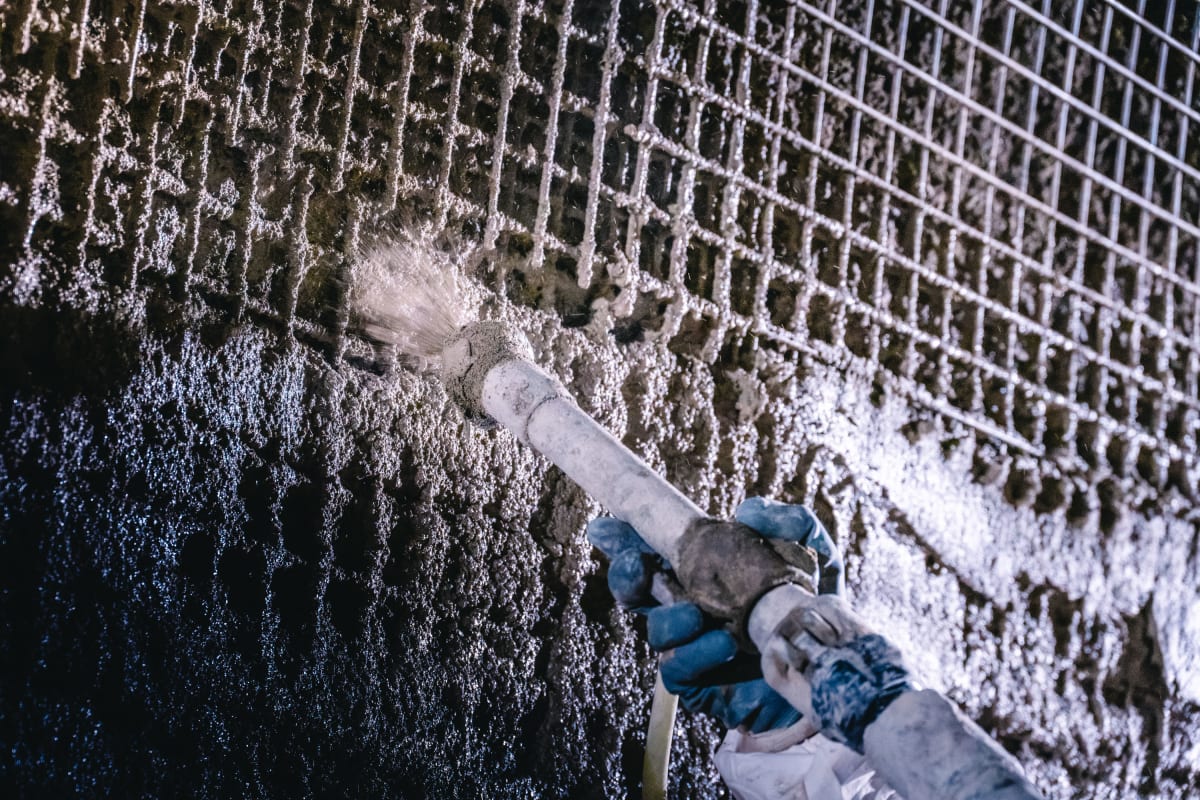
Dr. Alfred Pawlik, an archaeologist at Ateneo de Manila University, just unveiled ArchaeoBot, a groundbreaking robot that combines machine learning with archaeological excavation. The system can detect artifacts, recognize burial sites, and carefully retrieve objects without the human errors that plague traditional digs.
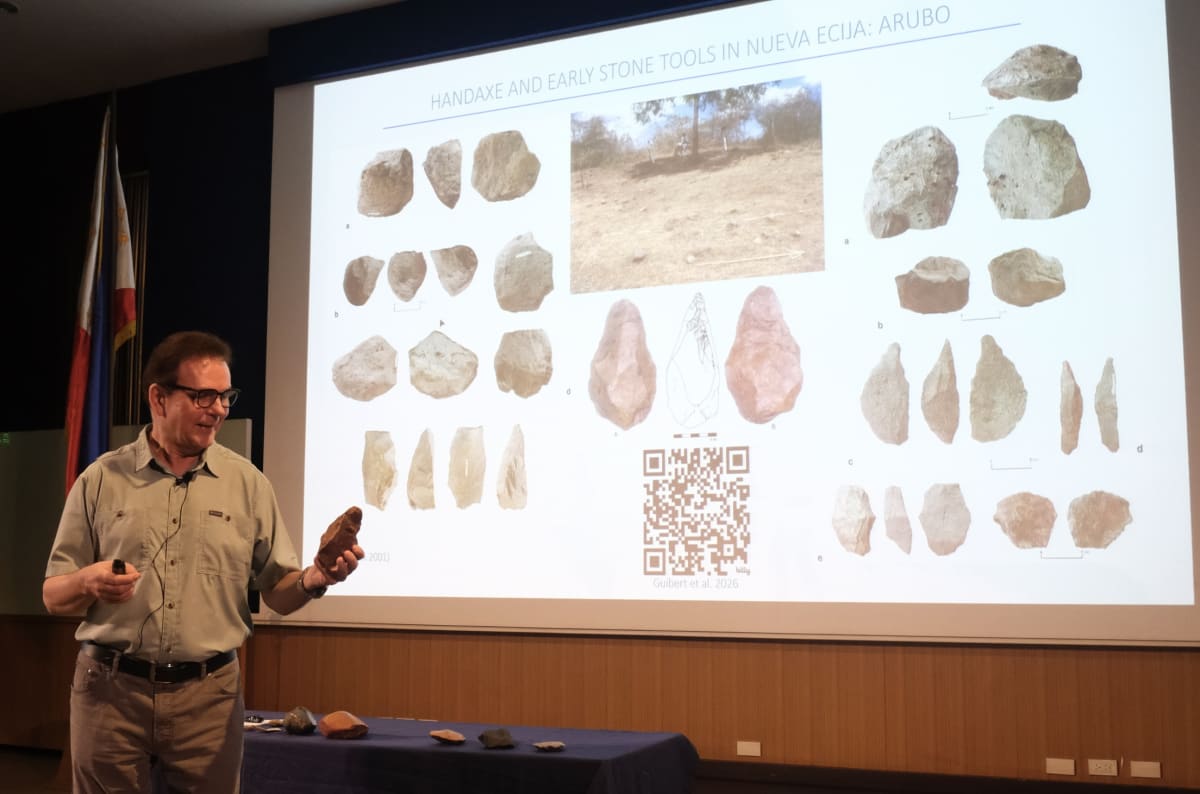
What makes this especially exciting is what ArchaeoBot is helping uncover. The robot assists researchers in documenting evidence that humans reached Philippine islands like Palawan and Mindoro around 40,000 years ago. Even more astonishing, people arrived on Luzon hundreds of thousands of years earlier.
These weren't lucky accidents. Since most Philippine islands were never connected to mainland Asia during the Ice Age, these journeys required deliberate, repeated sea crossings using sophisticated watercraft.
The archaeological evidence paints a picture of remarkable innovation. Researchers found remains of tuna, sharks, and other deep-sea fish alongside bone hooks and modified stone weights. These early communities didn't just survive, they thrived by mastering both ocean fishing and island agriculture for thousands of years.
Dr. Pawlik calls the region the "Palawan-Mindoro Corridor," positioning the Philippines not as a remote endpoint but as a crucial gateway in human migration across Southeast Asia. It's a complete reframe of the archipelago's role in ancient history.
ArchaeoBot works like a smart assistant for archaeologists. It uses sensors to spot subtle traces that tired or inexperienced human excavators might miss. The robot learns from experience, adapts to different soil conditions, and eventually could help with cleaning, recording, and storing delicate finds.
The collaboration between Pawlik's team and the Ateneo Laboratory for Intelligent Visual Environments shows how modern technology can illuminate ancient ingenuity. By making excavation more precise and systematic, ArchaeoBot helps reconstruct entire systems of knowledge that rarely survive in archaeological records.
Why This Inspires
This story matters because it celebrates innovation across time. Ancient Filipinos developed seafaring technology that rivaled anything in the world, proving human creativity and courage have always pushed boundaries. Today's researchers honor that legacy by using cutting-edge robotics to tell stories that might otherwise stay buried forever.
Dr. Maria Luz Vilches, Vice President for Higher Education at Ateneo, captured it perfectly: "We owe the anthropologists and their scholarship that we get a better picture of generations and civilizations to which we would otherwise have no access."
The Philippines has always been a space of movement, ingenuity, and connection, and now we finally have the tools to prove it.
Based on reporting by Google: archaeological discovery
This story was written by BrightWire based on verified news reports.
Spread the positivity!
Share this good news with someone who needs it