Robot Surgery Boosts Esophageal Cancer Survival by 13%
A five-year study from Shanghai Chest Hospital shows robot-assisted surgery increases esophageal cancer survival rates to 69.4%, compared to 56.2% with conventional methods. The breakthrough marks the first time robotic surgery has proven to significantly extend life in any solid tumor treatment.
Cancer patients facing esophageal surgery now have powerful new evidence that robotic assistance could add years to their lives.
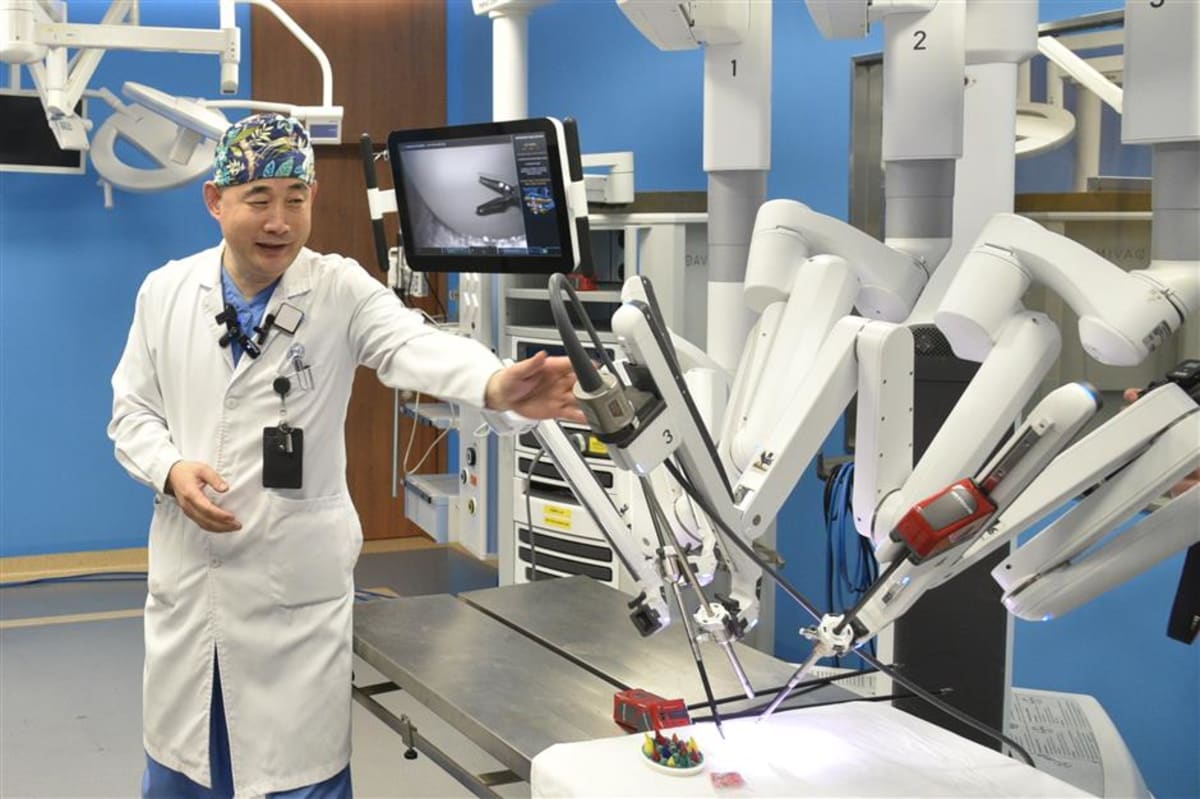
Shanghai Chest Hospital just completed the world's first long-term study proving robot-assisted esophagectomy improves survival rates. The five-year research followed patients across six hospitals and revealed a 13.2 percentage point jump in survival compared to conventional minimally invasive surgery.
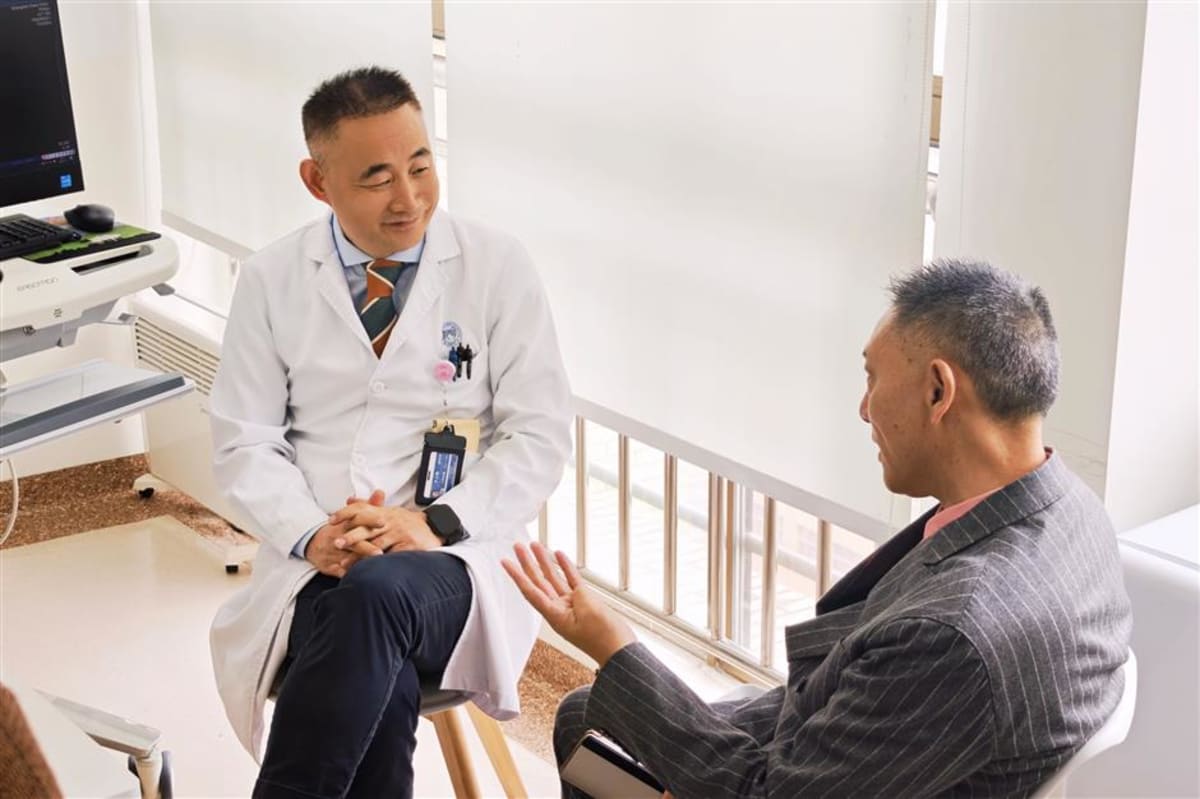
Dr. Li Zhigang led the medical team that tracked outcomes over five consecutive years. His study showed 69.4% of robot-assisted surgery patients survived five years, while only 56.2% of conventional surgery patients reached that milestone.
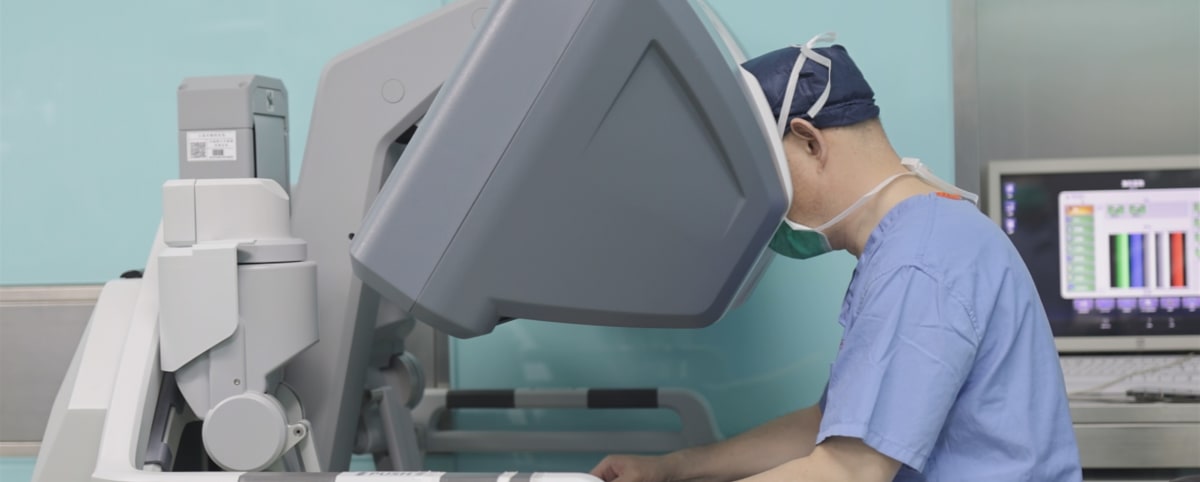
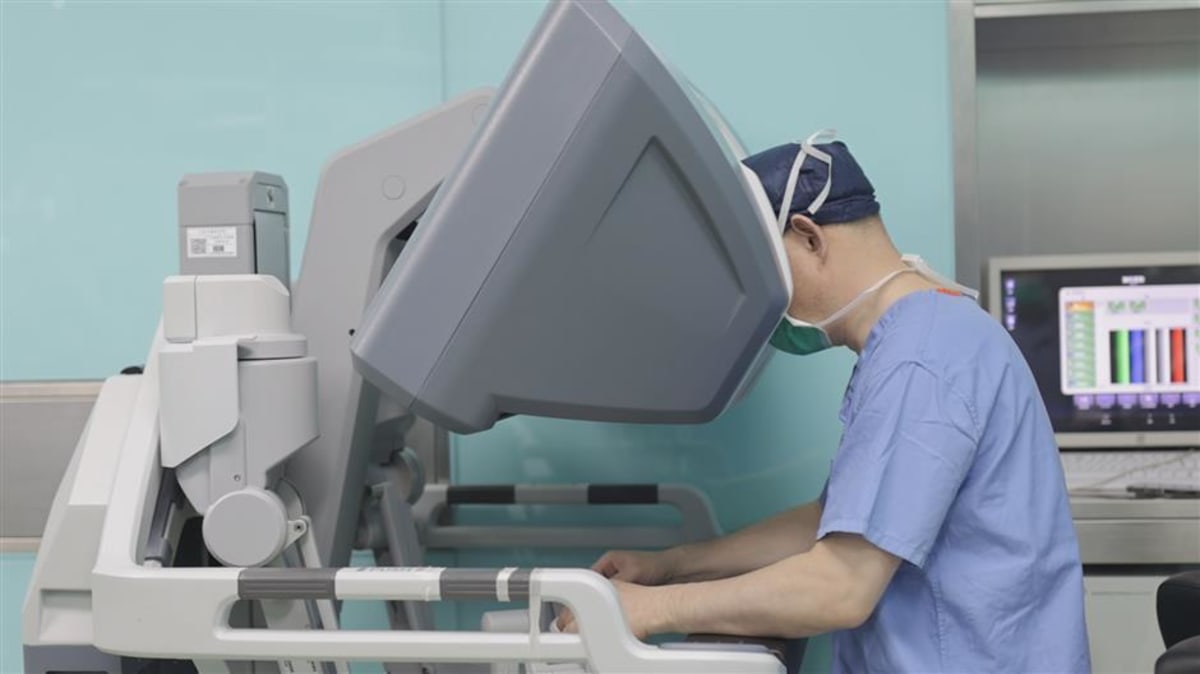
The robotic systems also work faster, cutting an average of 41 minutes off operation time. That efficiency matters because shorter surgeries typically mean less stress on patients and faster recovery.
The Bright Side
This breakthrough represents more than just better numbers. It's the only robot-related clinical trial across all solid tumor categories to show a statistically significant increase in five-year survival rates.
Shanghai Chest Hospital has now performed over 2,600 robot-assisted esophagectomies, more than any facility worldwide. The hospital serves as China's first robotic esophageal surgery clinical demonstration center and holds the world's first TR500 certification, representing the highest level of robotic surgery training globally.
Dr. Li explains the advantage simply: robotic arms deliver exceptional stability and precision that human hands can't match. The systems enable more thorough lymph node removal, which is critical for esophageal cancer treatment, and excel at navigating anatomically complex surgical sites.
Patient outcomes tell the real story. Jiang, a 62-year-old who underwent the procedure five years ago, now plays basketball for 40 minutes daily and travels regularly. "No one would guess I was a cancer patient," he shares. "I feel as healthy as ever."
The research team built the world's largest database dedicated to robot-assisted esophageal cancer surgery. They're also actively developing domestically produced robotic surgical devices, helping make the technology more accessible.
Shanghai is positioning itself as a destination for international patients seeking this advanced treatment. Dr. Li notes that both the quality and cost of esophageal cancer surgery in Shanghai compete strongly with other countries.
When cutting-edge technology meets dedicated medical expertise, patients get more than better surgery — they get their lives back.
More Images

Based on reporting by Google News - Tech Breakthrough
This story was written by BrightWire based on verified news reports.
Spread the positivity!
Share this good news with someone who needs it