Robots Beat Bolt's Record at Beijing's Robot Olympics
Humanoid robots just ran faster than Usain Bolt's world record at China's second annual Robot Olympics. But the real test isn't speed—it's whether these machines can handle real-world problems without human help.
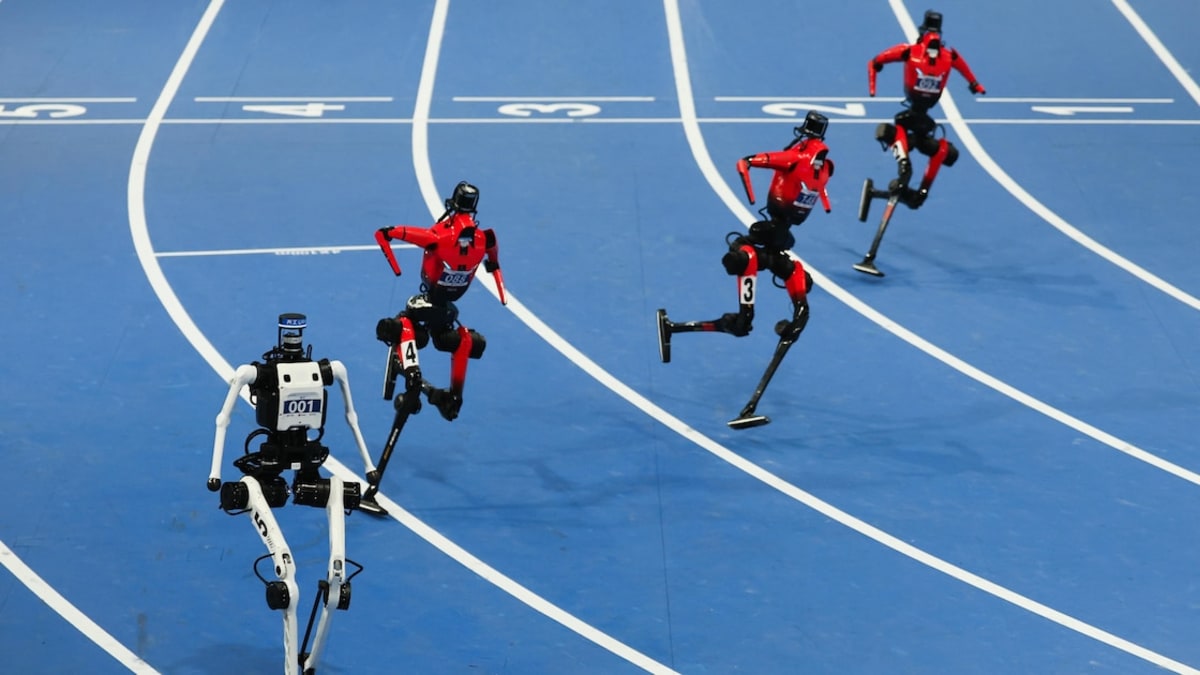
Two humanoid robots shattered Usain Bolt's 100-meter world record this weekend in Beijing, clocking faster times than his legendary 9.58 seconds. Last year's champion barely finished in 20 seconds.
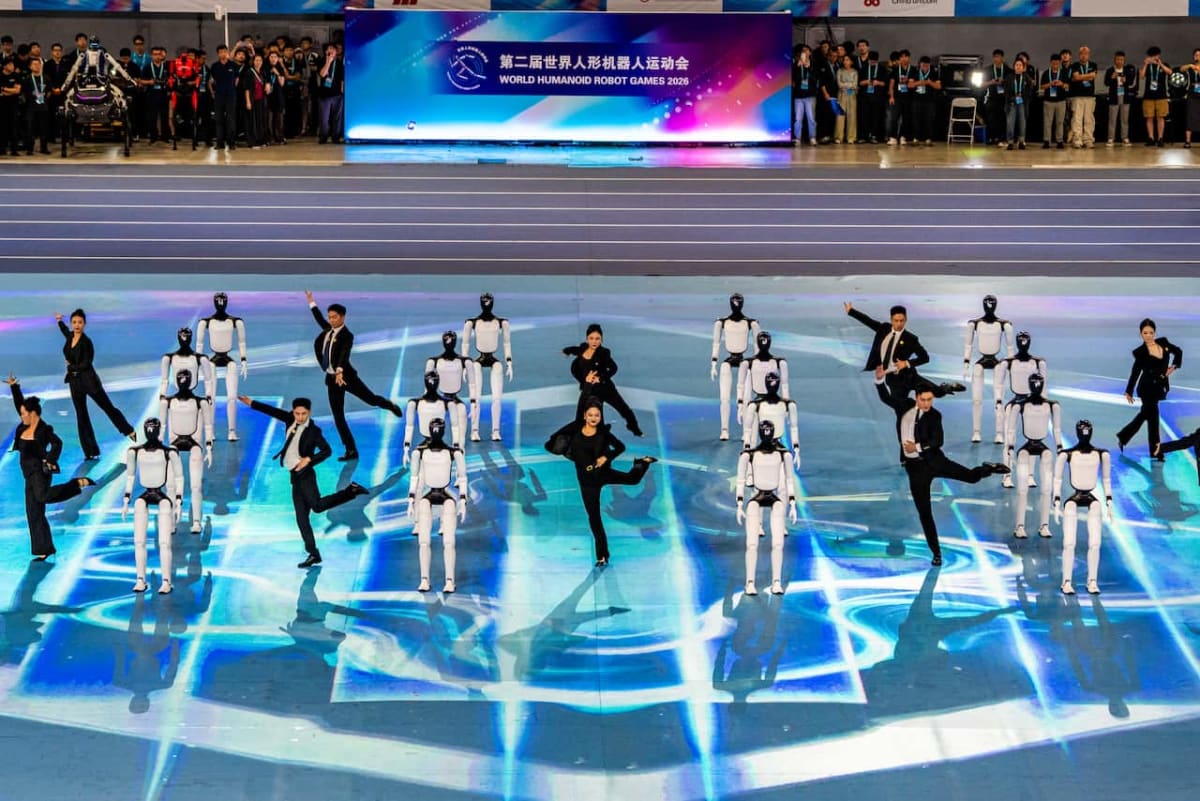
The five-day World Humanoid Robot Games brought together more than 50 events testing China's rapidly advancing robotics industry. Robots competed in everything from sprints and tennis to restaurant service and emergency response scenarios.
One machine ran 400 meters in 39.7 seconds, beating South African runner Wayde van Niekerk's world record of 43.03 seconds. The speedsters had one small problem though—they crashed into thick safety mats because braking remains a challenge.
But organizers say the flashy athletic performances aren't the point. More than 40 percent of events require robots to operate completely autonomously, testing whether machines can truly see, think, and adapt when things don't go as planned.
The real competitions involve mundane but crucial tasks like connecting cables at awkward angles, grabbing objects just out of reach, and recovering from mistakes without a human stepping in. Robots tackled electric vehicle charging, factory assembly work, and even traditional Chinese games like Tai Chi.
"Simply running and jumping does not improve efficiency," said Yu Chao, CEO of Lumos Robotics. "Only when it can work in those end scenarios does it have real value."
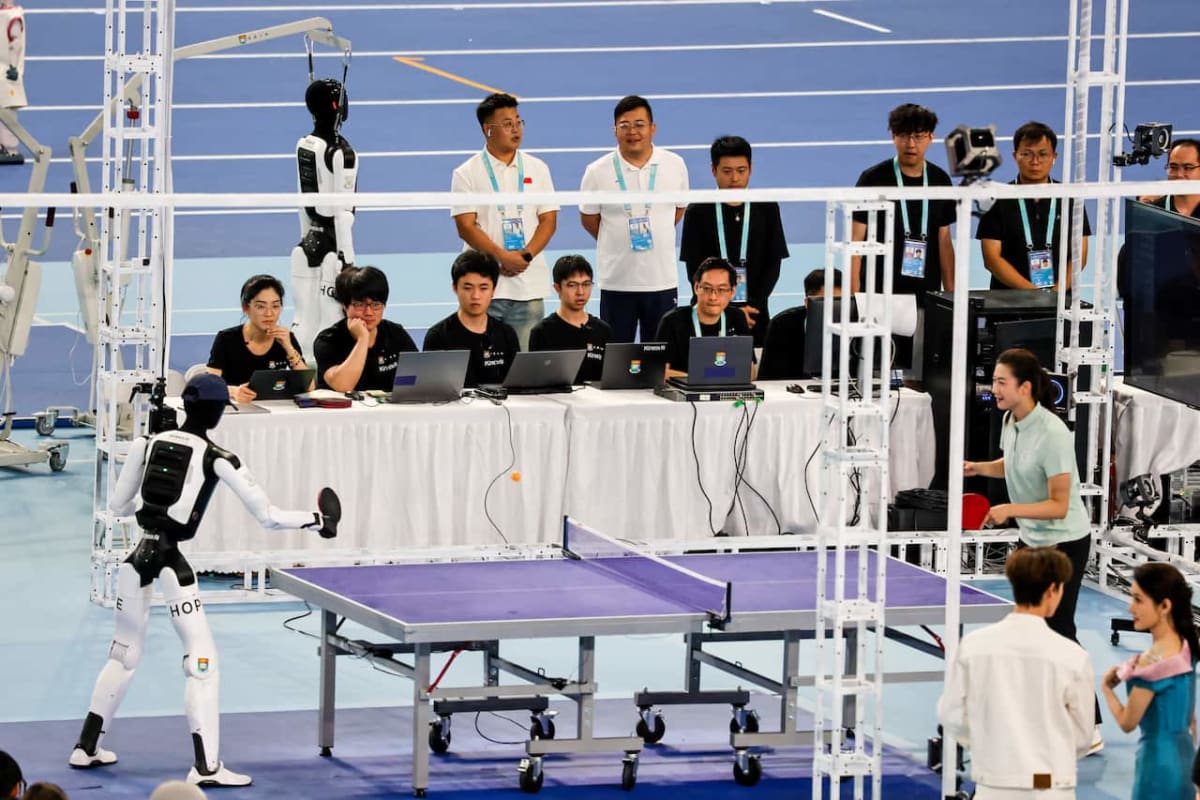
These scenario-based challenges test vision systems, hand positioning, force control, and problem-solving abilities that matter far more in factories, restaurants, and offices than record-breaking sprint times. One event challenged robots to play autonomous tennis, tracking balls and returning serves without human guidance.
Why This Inspires
The games represent a shift from flashy demonstrations to practical problem-solving. Chinese robotics companies are moving past the "look what we built" stage to asking harder questions about real usefulness.
Hua Rong, chief marketing officer at robotics firm Zeroth, captured the industry's evolving mindset perfectly. "The competition will be whether, after the product is sold, it can really solve users' problems," she said.
The spectacular athletic achievements grab headlines and showcase impressive hardware improvements. But the cable-connecting robots and restaurant servers reveal something more meaningful—machines learning to navigate the messy, unpredictable reality of human environments.
Beijing's Robot Olympics prove that the future of robotics isn't just about building faster, stronger machines, but smarter ones that can truly help.
More Images

Based on reporting by SBS Australia
This story was written by BrightWire based on verified news reports.
Spread the positivity!
Share this good news with someone who needs it