Robots Tackle Construction's 4.5M Home Shortage
As 92% of contractors struggle to find workers and the U.S. faces a shortage of 4.5 million homes, construction robots are stepping in to help build our future. One company's fleet of bricklaying bots is showing how automation can solve labor shortages without replacing workers who don't exist.
📺 Watch the full story above
The construction industry has a problem that robots might actually solve without taking anyone's job: there simply aren't enough people willing to do the work.
Right now, the U.S. is short 4.5 million homes while 92% of contractors can't fill open positions. Young people aren't entering construction trades, and experienced workers are retiring faster than they can be replaced.
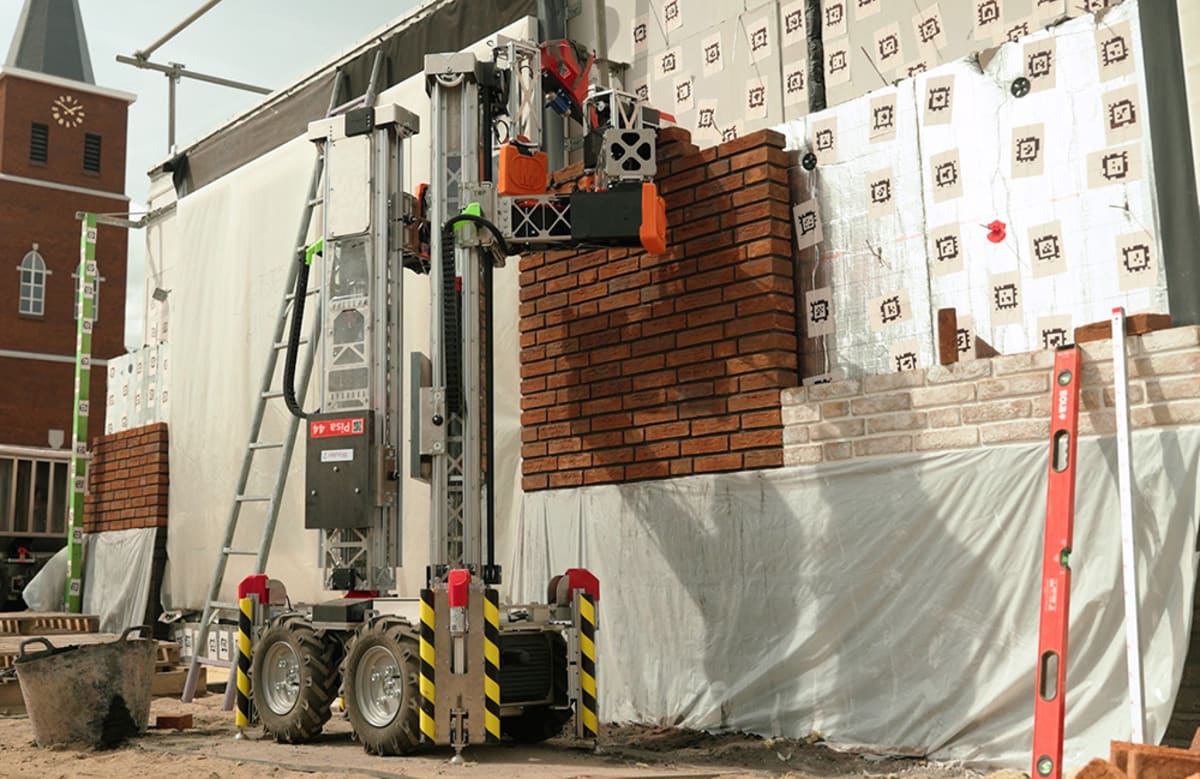
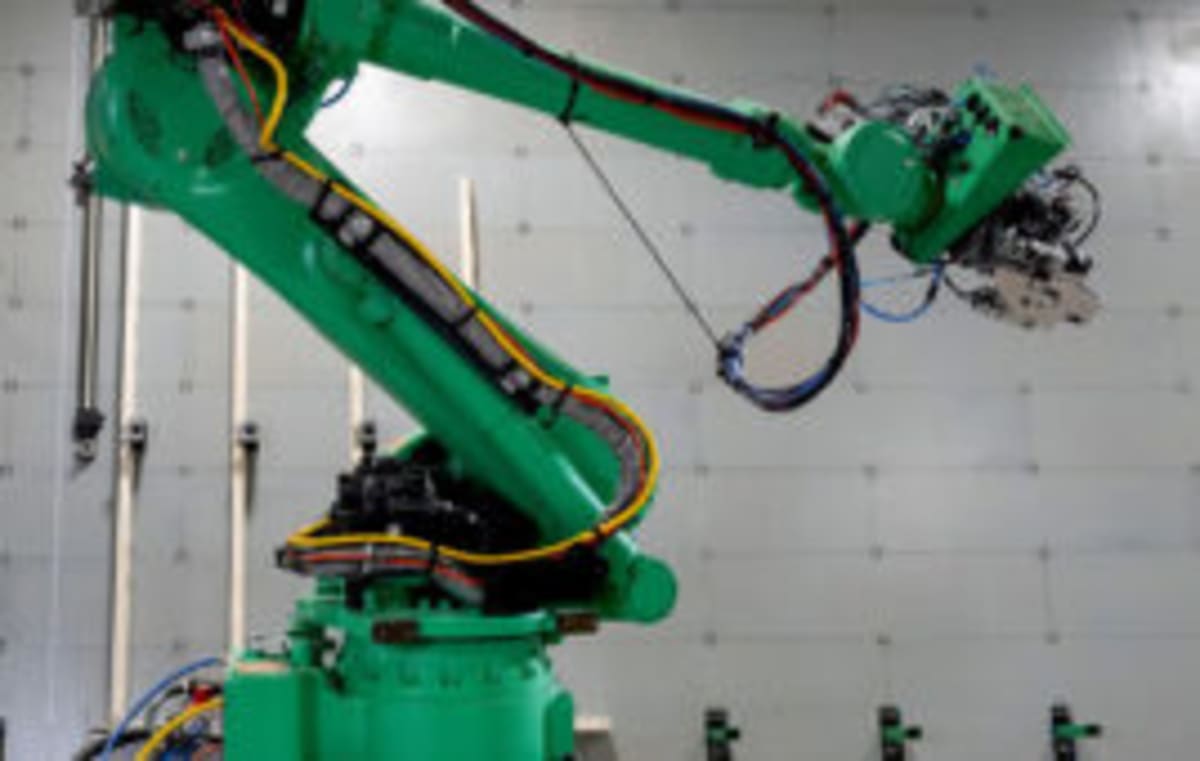
Enter Monumental, a company that's built a team of three robots to handle one of construction's toughest jobs: laying bricks. Their main robot, Pisa, uses two mechanical arms to place bricks and squeeze mortar between them. Two helper robots named Petra and Panama keep Pisa supplied with materials so work never stops.
Founder Salar al Khafaji chose bricklaying for good reason. In countries like the UK, Netherlands, and Germany, bricklayer is the number one job shortage. If his team can automate this demanding task, they can likely tackle other construction challenges too.
The company shows up at construction sites just like any other subcontractor, except they bring robots instead of a crew. This approach works perfectly in construction's fragmented world, where a dozen different specialized companies might work on a single building project.
What's clever about Monumental's approach is that only 10% of their technology is specifically about laying bricks. The other 90% solves general construction site challenges like navigation, material handling, and communication between machines.
The Ripple Effect
This isn't just about one company's robots. The entire construction robotics field is booming, with companies raising hundreds of millions of dollars to automate everything from excavation to finishing work. Bedrock Robotics raised $270 million, Gravis Robotics secured $200 million, and TerraFirma brought in $115 million.
These investments signal something important: the industry recognizes that technology isn't coming to replace workers but to fill gaps that human workers have left open. Construction desperately needs help, and robots are answering the call.
The timing couldn't be better. As housing shortages strain communities across America and skilled tradespeople become harder to find, automation offers a path forward that doesn't pit humans against machines.
Al Khafaji sees construction as one of the few industries where the robotics narrative is genuinely positive: "It's literally there's not enough people to do the work. We desperately need this technology."
When robots and humans can work together to build the homes families need, everyone wins.
More Images


Based on reporting by The Robot Report
This story was written by BrightWire based on verified news reports.
Spread the positivity!
Share this good news with someone who needs it