Rocket Lab Launches Japan's 9th Earth-Watching Satellite
A New Zealand rocket just delivered another eye in the sky that can see through clouds and darkness. Japan's growing satellite network is getting closer to providing real-time Earth images to users worldwide.
Rocket Lab successfully launched a Japanese radar satellite early Tuesday morning, bringing a revolutionary Earth observation network one step closer to completion.
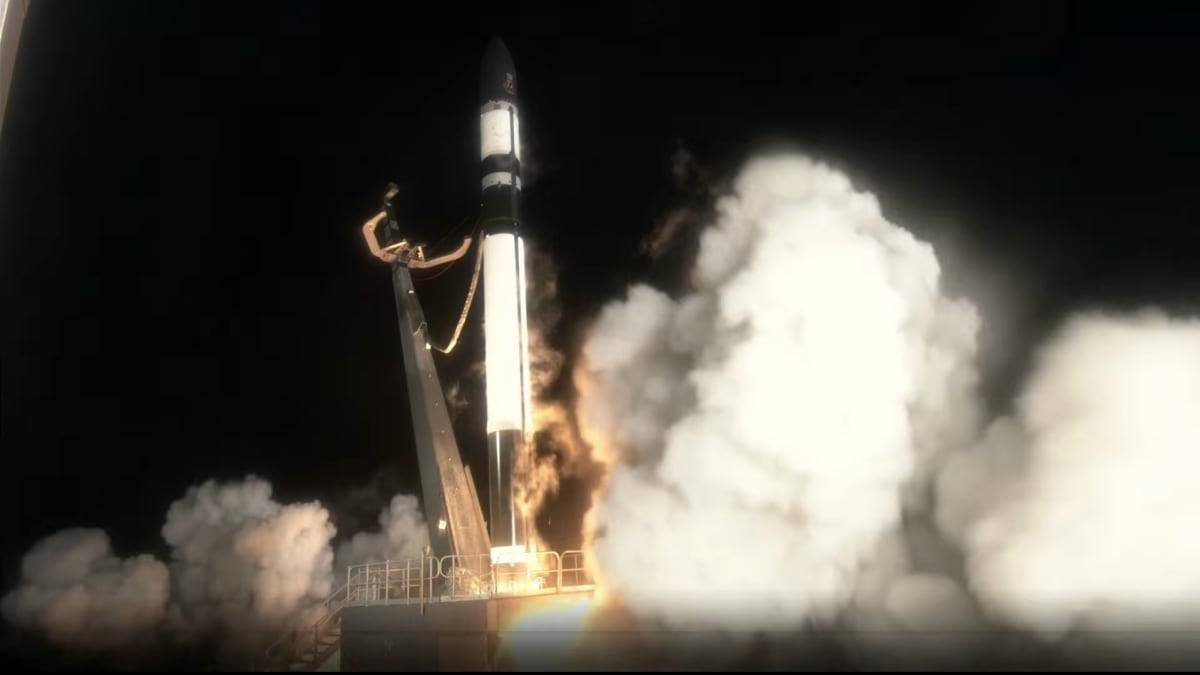
The Electron rocket lifted off from New Zealand at 9:04 a.m. EDT, carrying SUSANOO-II (named after a Japanese lightning god) into orbit 357 miles above Earth. Just 50 minutes later, the satellite was deployed and ready to start its mission.
This marks the ninth satellite Rocket Lab has launched for iQPS, a Tokyo-based company building something special. Their constellation will eventually include 36 satellites working together in low Earth orbit, creating a network that can photograph our planet anytime, anywhere.
What makes these satellites remarkable is their synthetic aperture radar technology. Unlike traditional satellites that need sunlight and clear skies, these spacecraft can capture high-resolution images through clouds, storms, and complete darkness. They never sleep, and weather never stops them.
The launch showcased Rocket Lab's efficient design. Nine 3D-printed engines powered the first stage for 2.5 minutes before the second stage took over for another 6.5 minutes. After a 40-minute coast phase, one final burn placed the satellite perfectly in its circular orbit.
The Ripple Effect
Real-time Earth observation has countless applications that benefit humanity. Emergency responders can assess disaster zones through thick smoke or at night. Farmers can monitor crop health in any weather. Scientists can track deforestation, ice melt, and environmental changes without waiting for clear skies.
The rapid deployment of this constellation shows how private space companies are making advanced technology more accessible. Rocket Lab has completed 93 launches total and is already on its 14th mission this year alone.
iQPS chose Rocket Lab's Electron rocket for good reason. The 59-foot vehicle specializes in giving small satellites dedicated rides to orbit, ensuring each payload reaches exactly where it needs to go. No sharing rides, no compromises.
The success demonstrates how routine space access has become. Just two weeks earlier, Rocket Lab launched another iQPS satellite, and the launches continue at a steady pace.
As the constellation grows toward its full 36-satellite network, global users will gain unprecedented ability to monitor Earth in near-real time, regardless of weather or time of day.
More Images

Based on reporting by Space.com
This story was written by BrightWire based on verified news reports.
Spread the positivity!
Share this good news with someone who needs it