Rome Drought Reveals 2,000-Year-Old Roman Bridge
A severe drought in Rome has uncovered the ancient pillars of Emperor Nero's bridge, giving tourists and archaeologists an unexpected glimpse into history. The structure, built nearly 2,000 years ago, once connected the city to what is now Vatican territory.
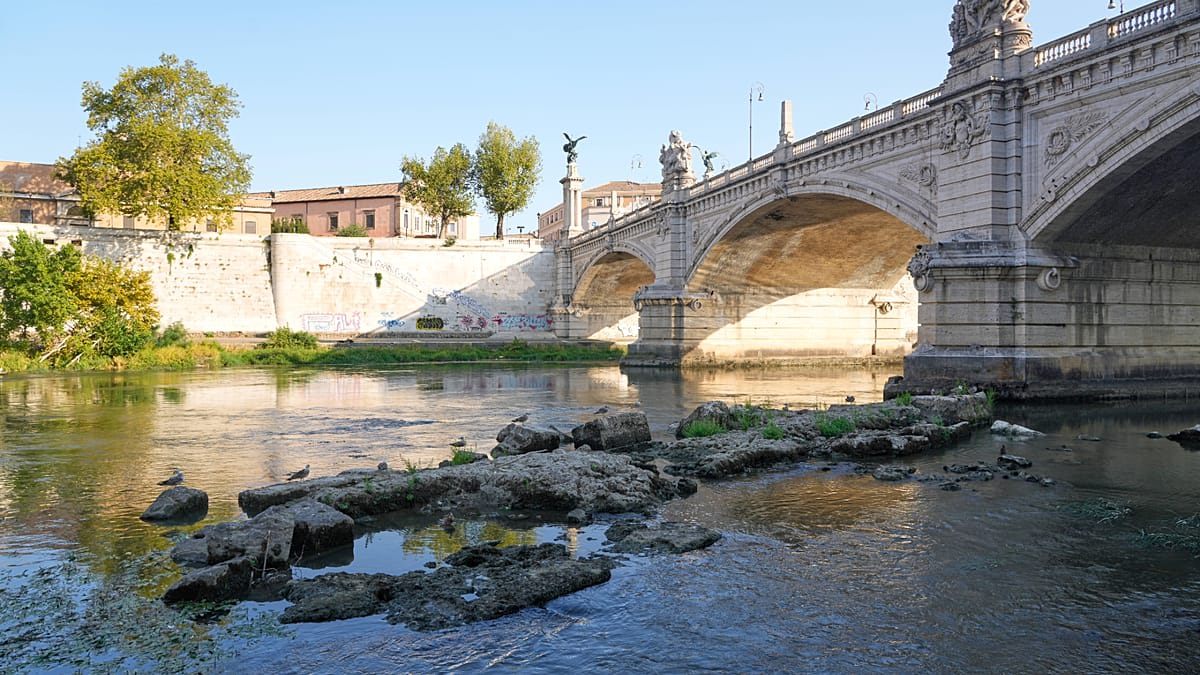
When the Tiber River dropped to historic lows this August, it revealed a stunning gift from the past: the stone pillars of a bridge built by Emperor Nero nearly two millennia ago.
The drought affecting Western Europe has pushed Italian rivers to exceptionally low levels. Near Rome's iconic Castel Sant'Angelo, the ancient Pons Neronianus has emerged from the water for the first time in years.
The bridge was constructed between 54 and 68 AD during Nero's reign. It allowed ancient Romans to cross the Tiber toward what we now know as Vatican City, connecting the Campus Martius with the Ager Vaticanus.
The structure supported the Via Trionfale, a major road that led toward the ancient city of Veii. Where the Holy See stands today, Emperor Nero owned vast properties, including his mother Agrippina's villa and Caligula's circus.
The bridge served Romans for centuries before being demolished during the Gothic War in the 6th century. For hundreds of years afterward, people used the remaining pillars to anchor floating mills powered by the river's current.
The Bright Side
While drought conditions are challenging for the region, the exposure of these ancient ruins has created an unexpected opportunity for learning and wonder. Tourists visiting Rome this summer are getting a rare view of engineering that survived for over 500 years.
Archaeologists and history enthusiasts are documenting the pillars while they remain visible. These glimpses into the past remind us of the incredible ingenuity of ancient builders and the stories still waiting beneath our feet.
The Tiber has revealed these pillars before during particularly dry summers, but each emergence offers fresh insights. Modern technology now allows researchers to study and preserve details that previous generations might have missed.
This isn't just ancient history coming to light—it's a living connection to the people who walked these streets two thousand years ago, solving the same problems we face today.
Based on reporting by Euronews
This story was written by BrightWire based on verified news reports.
Spread the positivity!
Share this good news with someone who needs it