Russian Saury Fish Stocks Set to Recover in 4-5 Years
After years of decline, Pacific saury populations in Russian waters are expected to fully recover within five years, according to scientists. The turnaround offers hope for coastal fishing communities and ocean ecosystems.
Fish populations that seemed headed for crisis are bouncing back, and scientists say the recovery is right on track.
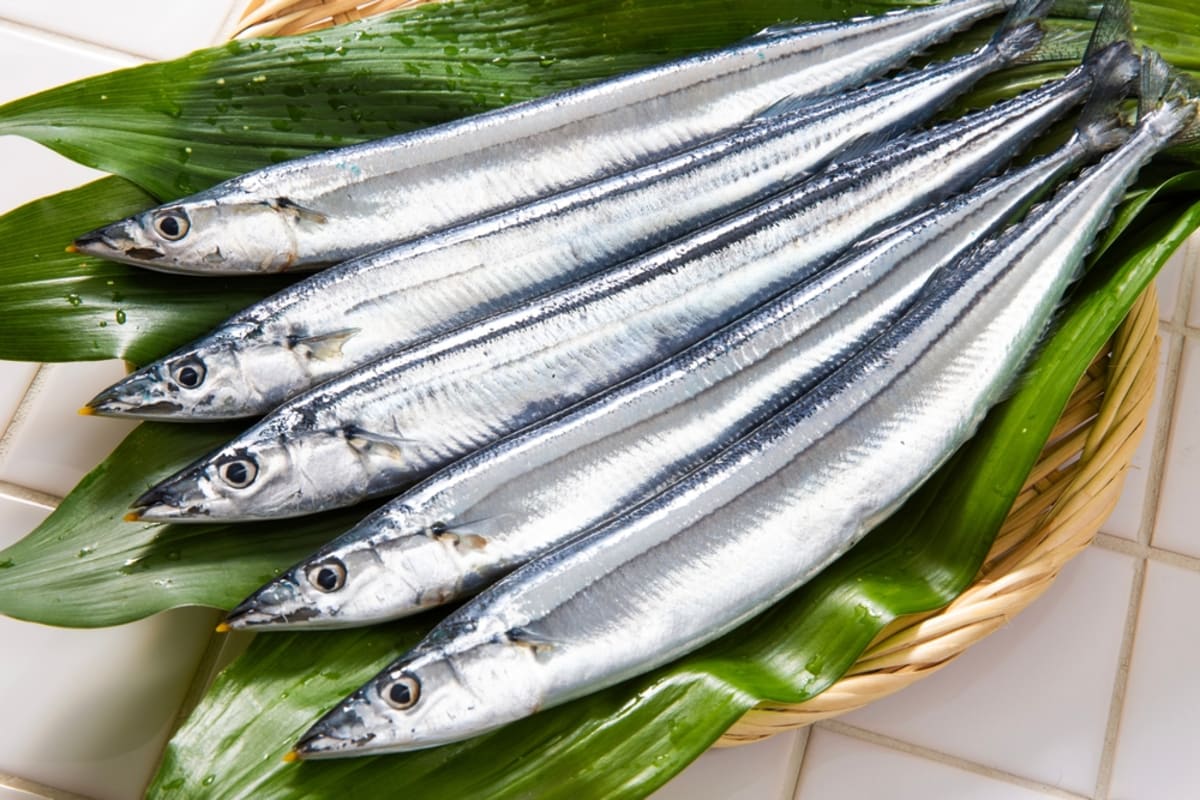
Russia's Federal Research Institute of Fisheries and Oceanography (VNIRO) announced that Pacific saury stocks in Russian waters should fully recover within four to five years. The small, silvery fish has been a cornerstone of Pacific fisheries for generations.
Saury populations dropped sharply in recent years due to warming ocean temperatures and overfishing pressures. The decline hit fishing communities hard and disrupted food chains that depend on these nutrient-rich fish.
But scientists monitoring the waters have spotted encouraging signs. Younger fish are thriving, and breeding patterns show the species is stabilizing in cooler northern waters where conditions remain favorable.
VNIRO researchers credit careful management and international cooperation for creating the conditions needed for recovery. When fish stocks started declining, Russian authorities worked with neighboring countries to adjust catch limits and protect critical spawning areas.
The Ripple Effect
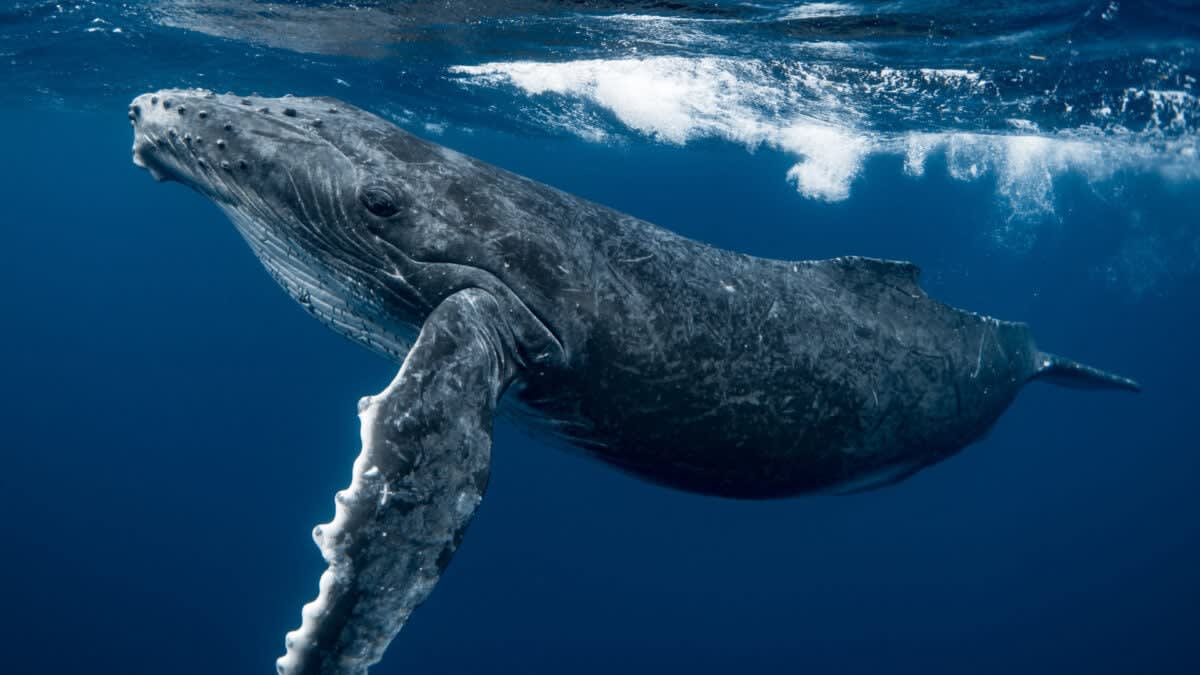
Saury recovery means more than jobs returning to fishing ports. These fish serve as a crucial food source for larger species including tuna, marine mammals, and seabirds throughout the North Pacific.
Healthy saury populations also support food security across East Asia, where the fish is a dietary staple. Japan, South Korea, and coastal Russian communities all depend on saury as an affordable protein source.
The recovery demonstrates that science-based fishing limits actually work when countries commit to them. It's a model other struggling fisheries could follow as ocean conditions continue changing.
Marine biologists say the four to five year timeline is realistic based on saury's relatively quick reproduction cycle. Unlike slower-growing species that can take decades to rebound, saury reach maturity quickly and produce large numbers of offspring when conditions are right.
Fishing communities are already planning for the recovery, with processors upgrading facilities and younger workers training for jobs their parents thought might disappear. The return of a stable saury fishery could anchor coastal economies for another generation.
More Images



Based on reporting by Google News - Recovery Story
This story was written by BrightWire based on verified news reports.
Spread the positivity!
Share this good news with someone who needs it