Rwanda Doubles Park Biodiversity With Community-First Model
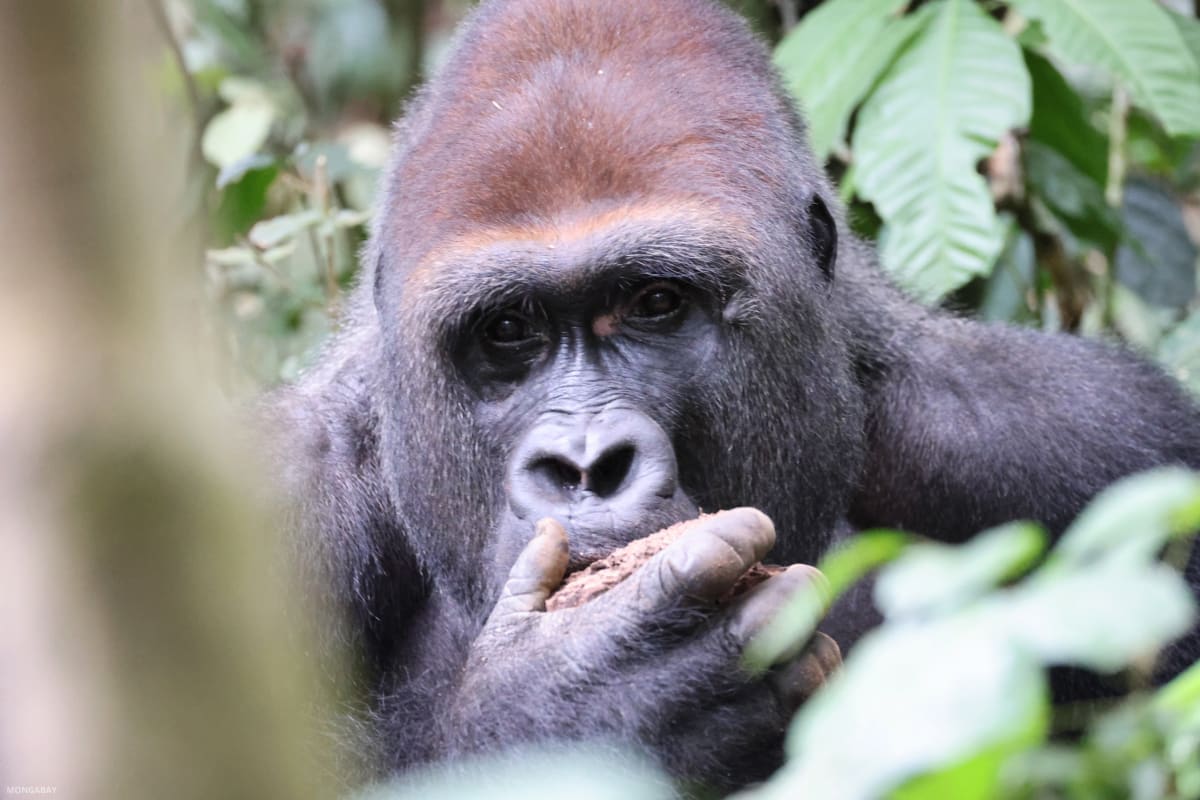
Mountain gorillas once faced extinction in Rwanda's hills. Now they're thriving alongside restored wetlands and reintroduced lions, proving conservation can fuel economic growth when communities share the rewards.
Rwanda has turned biodiversity protection into national infrastructure, and the results are rewriting what's possible for conservation in Africa.
In the northern hills, mountain gorilla populations have rebounded from the brink of extinction through science-based management and community partnerships. In Akagera National Park, the return of lions and rhinos has restored ecological balance while boosting tourism revenue that flows directly back to surrounding villages.
The transformation extends beyond wildlife. In Kigali, restored wetlands now reduce flood risks while creating green public spaces for urban residents. Nyandungu Eco-Park has nearly doubled its biodiversity, becoming a model for how cities can grow without sacrificing nature.
Rwanda's secret is treating conservation not as a constraint but as economic opportunity. Through revenue-sharing programs, tourism income funds schools, health centers, and local enterprises in communities near protected areas. This approach has flipped the script, turning former poachers into stewards who see thriving ecosystems as their pathway to prosperity.
The country embedded biodiversity into its National Strategy and Action Plan for 2025-2030, aligning conservation with economic planning and climate resilience. Land use master plans now intentionally allocate green space at national, district, and neighborhood levels, ensuring development and ecosystem protection advance together rather than compete.
Gishwati-Mukura's recognition as a UNESCO Biosphere Reserve marks another milestone. Across the country, ongoing restoration efforts are expanding forest cover through targeted biodiversity sanctuaries using native species, rebuilding the natural systems that make life possible.
The Ripple Effect
Rwanda's model addresses a challenge facing nations worldwide: how to balance food production, infrastructure, and conservation in land-constrained environments. As one of Africa's most densely populated countries, Rwanda proves that protected ecosystems and productive landscapes can coexist through careful planning and context-specific solutions.
The benefits extend far beyond borders. Healthy ecosystems regulate climate, manage floods, and enable pollination that supports global food systems. Rwanda's Biodiversity Fund Window under the Rwanda Green Fund now provides tailored financing for ecosystem recovery, pioneering approaches like biodiversity credits and results-based financing that other nations are watching closely.
Tourism remains one of Rwanda's leading sources of foreign exchange, but the economic gains tell only part of the story. Communities that once saw conservation as limiting their options now recognize it as expanding them, creating sustainable livelihoods that don't depend on depleting natural resources.
The approach shows what becomes possible when countries stop treating nature as a sector to manage and start recognizing it as the foundation everything else depends on.
More Images

Based on reporting by AllAfrica - Environment
This story was written by BrightWire based on verified news reports.
Spread the positivity!
Share this good news with someone who needs it