Rwanda's Gorillas Triple to 1,000 Since 1970s
Mountain gorillas in Rwanda have surged from just 200 in the 1970s to over 1,000 today, creating a new challenge: how to give thriving wildlife and neighboring communities room to grow together. The African Wildlife Foundation is pioneering a model that makes local people partners in conservation, not bystanders.
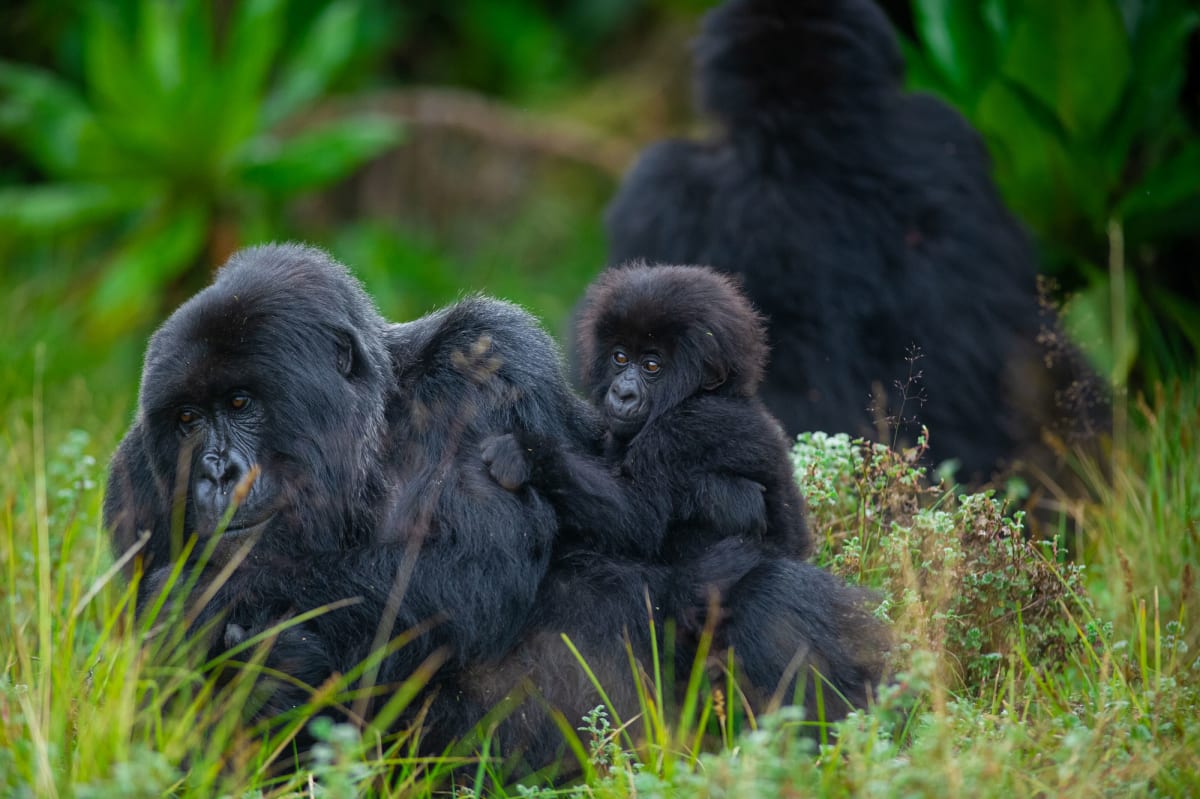
Mountain gorillas were disappearing in the 1970s, with fewer than 300 clinging to survival in central Africa. Today, more than 1,000 thrive in Rwanda's Volcanoes National Park and surrounding areas, proving that conservation can work.
But success brought an unexpected problem. The growing gorilla population needs more space, yet the park has already lost 53% of its original size to human settlement over decades. Protecting wildlife now means creating solutions that work for both gorillas and the people who share their home.
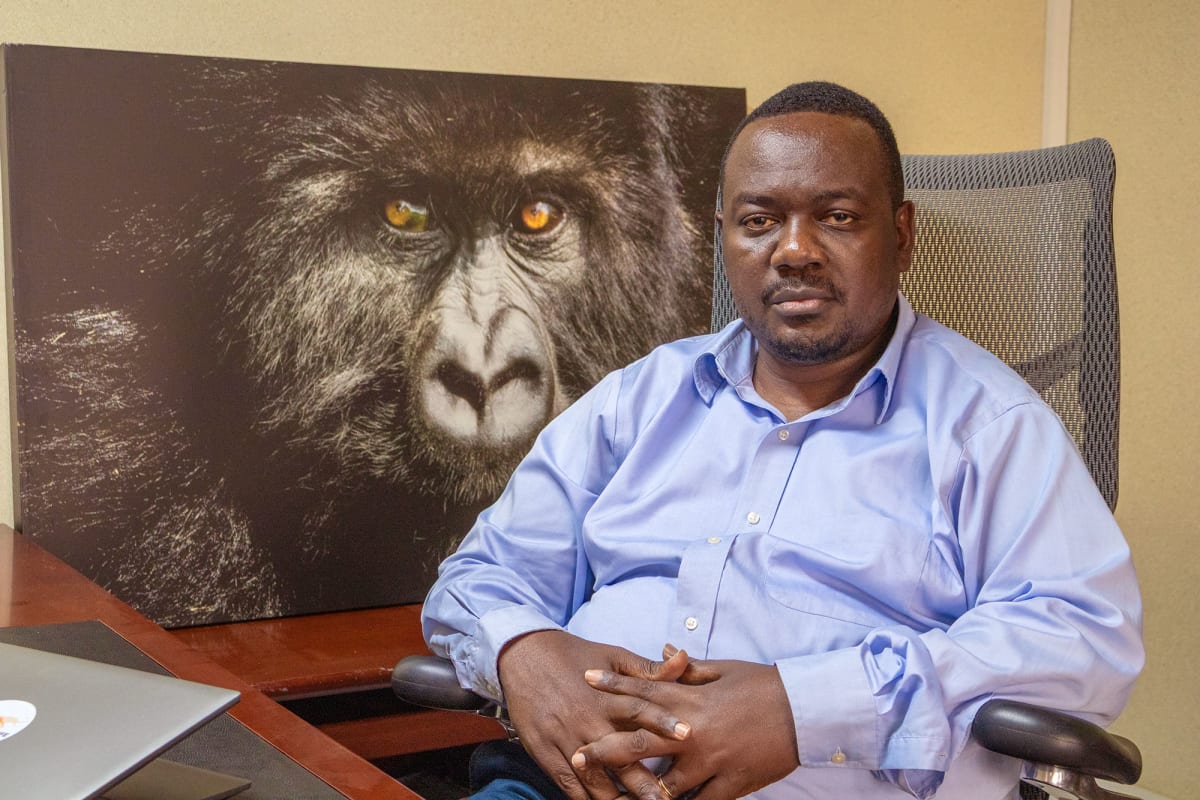
Patrick Nsabimana leads the African Wildlife Foundation's work in Rwanda. His team spent five years developing a new approach: instead of just defending park boundaries, they're building an entire system around conservation. In 2024, they completed a master plan that treats habitat restoration, community livelihoods, and land use planning as equally important.
The foundation acquired 142 hectares through agreements with local landowners, providing fair compensation and resettlement support. They paired habitat expansion with real economic opportunities, training 132 entrepreneurs through their Business Incubation Program. Women make up 63% of the participants.
The results show what's possible when communities benefit directly. The foundation supported 32 new businesses with $14,350 in funding and trained 160 farmers at a Horticulture Hub that generated $3,730 from its first harvest. Those farms created more than 40 jobs for families living near the park.
Women lead 72% of the agricultural training programs. For Nsabimana, that leadership matters as much as the income itself, creating dignity and opportunity for those who need it most.
The Ripple Effect
Rwanda's approach is reshaping conservation across Africa. By treating local communities as partners rather than obstacles, the model proves that wildlife protection and human prosperity can grow together. Partnerships with organizations like TUI Care Foundation and EcoPlanet Bamboo bring expertise in biodiversity monitoring and ecological restoration.
Each year at Kwita Izina, Rwanda celebrates its newest generation of baby gorillas with a traditional naming ceremony. The event draws global attention to mountain gorillas, but the real story happens year-round in the communities surrounding the park. Farmers harvesting crops, entrepreneurs launching businesses, and families building better futures are all part of the conservation success.
The foundation's work demonstrates that protecting endangered species requires more than fences and rules. It requires giving people who live alongside wildlife a genuine stake in its survival. When communities share in conservation's benefits, they become its most effective guardians.
Rwanda's mountain gorillas are thriving because the people who share their landscape are thriving too.
More Images
Based on reporting by Google News - Conservation Success
This story was written by BrightWire based on verified news reports.
Spread the positivity!
Share this good news with someone who needs it
%2Ffile%2Fattachments%2Forphans%2Fozz1astreetmuralpromotingrhinoconservationinthetownofHluhluweKwaZuluNatalimagetonycarnie_225511.jpg)