Sahara Meteorite Reveals 4.1-Billion-Year Mars Secret
A rare two-pound rock found resting in the Sahara Desert is giving humanity its clearest glimpse yet into the watery beginnings of Mars. Scientists discovered that the 4.1-billion-year-old meteorite preserves direct chemical evidence of an ancient Martian hydrosphere interacting with volcanic crust.
Imagine holding a piece of another world in your hands, knowing it once splashed in ancient planetary waters billions of years ago. A miraculous two-pound meteorite found resting in the Sahara Desert has opened an extraordinary cosmic window into the origins of our planetary neighbor.
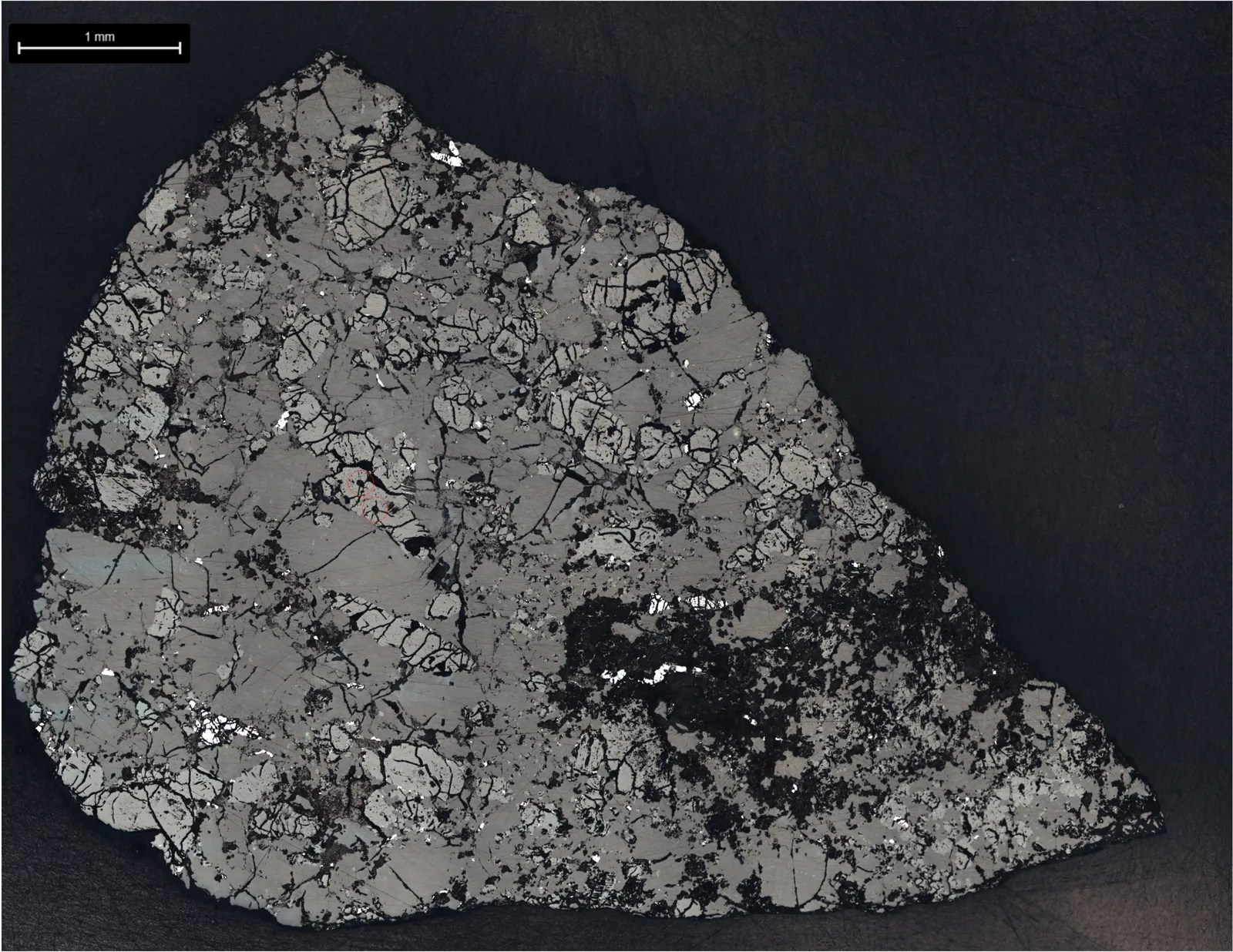
Researchers confirmed the dark space rock, named Teghaza 001, was blasted off Mars by an asteroid impact before journeying across the solar system to Earth. At over 4.1 billion years old, the specimen represents one of the oldest physical pieces of Martian crust ever discovered.
While Mars is cold and dry today, researchers have long wondered how vast oceans and rivers once shaped its red landscape. Now, twin studies published in Science and Science Advances prove that this incredible rock holds the missing chemical receipt.
Deep inside the meteorite, scientists discovered microscopic crystals of a mineral called apatite that locked away two distinct forms of ancient hydrogen. One signature came from hot magma deep within the planet, while the other directly captured the presence of a surface hydrosphere.
This remarkable chemical fingerprint reveals that surface water actively circulated through and altered the planet's young crust. NASA scientists now celebrate the discovery as a veritable Rosetta Stone for understanding extraterrestrial geology.
Because this volcanic rock formed only 500 million years after the solar system took shape, it captures an early world brimming with dynamic hydrothermal systems. These rich interactions between water and rock created the exact chemical conditions capable of nurturing primordial microbial life.
Instead of waiting decades for robotic sample missions to drill into deep Martian layers, nature delivered the ultimate prize straight to Earth's doorstep.
The Bright Side
This cosmic gift reminds us that the universe is constantly sharing its deepest mysteries with curious minds on Earth. By studying this single lucky find in the desert, researchers gain invaluable clues about where to search for past life during upcoming Mars explorations.
Every grain of sand on our own planet holds wonder, and sometimes, a quiet desert rock can illuminate our place among the stars.
More Images
Based on reporting by Wired
Building Something New? Try the BrightWire Tech Stack Advisor
Compare modern frameworks, cloud hosting, and AI tools tailored to your project budget and scale.
Spread the positivity!
Share this good news with someone who needs it