San Antonio Researchers Find New Hope for Bone Cancer Kids
Scientists in San Antonio have discovered two promising new ways to treat osteosarcoma, the most aggressive bone cancer in children, including repurposing a malaria drug that could reach young patients faster. For families facing a disease with unchanged survival rates for 30 years, these breakthroughs offer real hope.
Children with osteosarcoma face one of the toughest battles in pediatric cancer, but researchers at UT Health San Antonio just opened two new doors that could change everything.
Osteosarcoma is the most common bone cancer in kids and teenagers, and it's ruthless. It spreads to the lungs quickly and resists treatment with a stubbornness that has stumped doctors for three decades. While chemotherapy and surgery work well for localized tumors, survival rates for kids whose cancer spreads or comes back haven't budged since the 1990s.
The treatments themselves leave lasting scars. Young survivors often face hearing loss, infertility, heart and kidney damage, and a higher risk of developing new cancers later in life. For children just starting their lives, these side effects add another layer of heartbreak to an already devastating diagnosis.
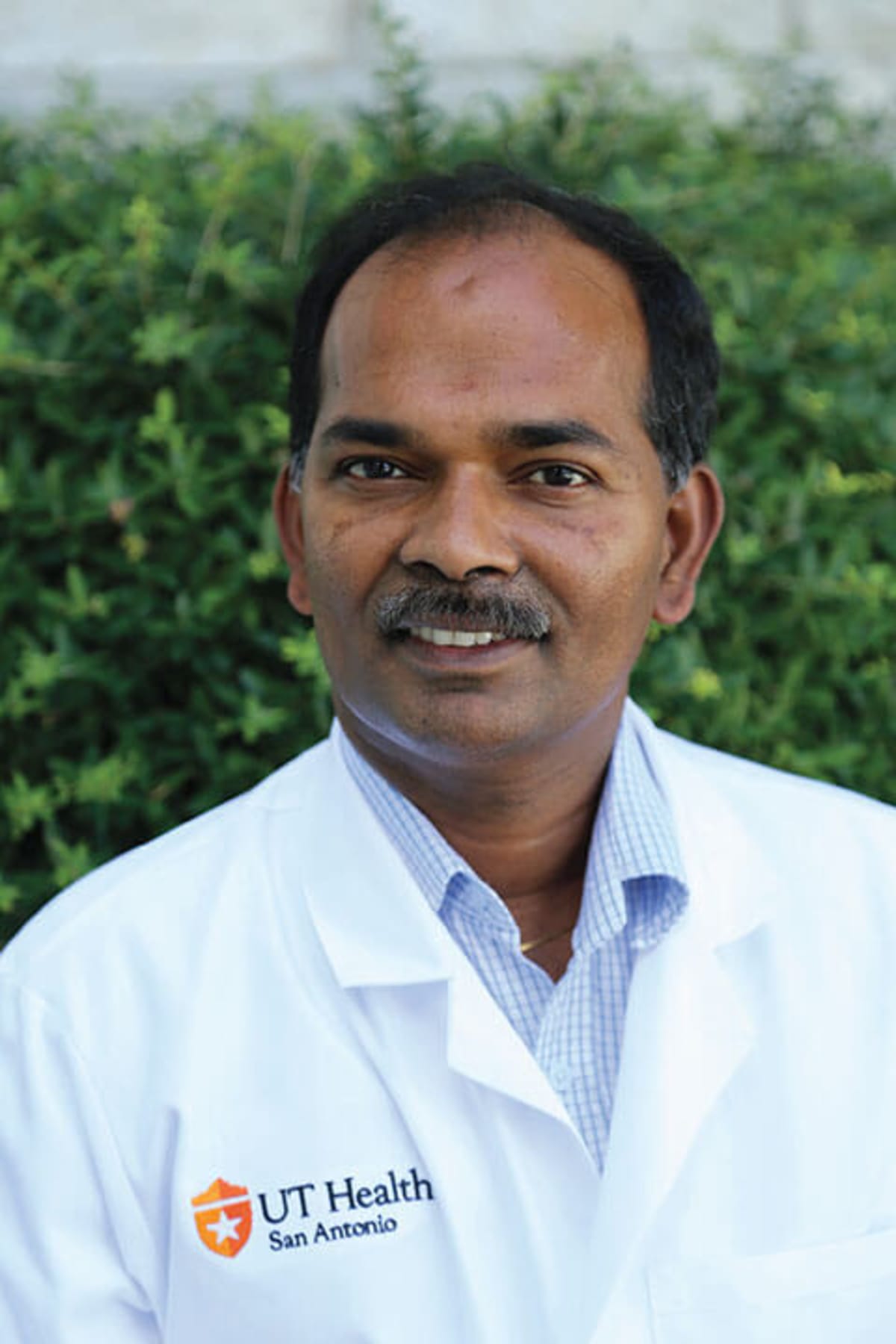
Dr. Panneerdoss Subbarayalu and his team at the Greehey Children's Cancer Research Institute refused to accept this stalemate. They've been digging into the biological mechanisms that make osteosarcoma so aggressive, focusing on areas other researchers haven't fully explored.
Their first breakthrough centers on RNA modifications, specifically a gene called ALKBH5 that acts like an accelerator for tumor growth. When they screened hundreds of existing drugs to find something that could stop it, they landed on mefloquine, a medication already approved for treating malaria.
This discovery matters because mefloquine has already been tested extensively in humans. That means it could potentially reach desperate families years faster than a brand new drug developed from scratch.
The team's second discovery targets a pathway called LIF/LIFR, which they found is highly active in pediatric osteosarcoma tumors. When they blocked this pathway in their research, tumor growth slowed dramatically and cancer cells lost much of their ability to spread.
Even more exciting, blocking LIF/LIFR reduced cancer stem cells. These are the specialized cells scientists believe drive recurrence and treatment resistance, the exact problems that have made osteosarcoma so hard to beat.
The American Cancer Society recognized the potential impact by awarding the lab an $879,000 Research Scholar Grant over four years. The funding supports a collaborative effort bringing together scientists, clinicians, and drug development experts from multiple Texas institutions, all working toward the same goal of safer and more effective treatments.
Why This Inspires
What makes this research truly special is that it attacks osteosarcoma from angles the cancer hasn't evolved to defend against yet. Instead of following the same paths that have led to dead ends, these scientists looked at RNA modifications and signaling pathways that control cancer stem cells.
The drug repurposing strategy shows the kind of creative thinking that changes outcomes. By finding new uses for existing medications, researchers can potentially shave years off the development timeline and get help to kids who are running out of options.
This isn't just laboratory progress happening in isolation. It's a coordinated effort across institutions, bringing together the best minds in Texas to tackle a problem that has resisted solutions for a generation of young patients.
For families facing an osteosarcoma diagnosis today, these discoveries represent something they haven't had in 30 years: genuinely new reasons for hope.
Based on reporting by Google News - New Treatment
This story was written by BrightWire based on verified news reports.
Spread the positivity!
Share this good news with someone who needs it