Satellite Finds What It Needs on Its Own—No Humans Required
A satellite just identified targets in space without help from Earth, using AI that understands questions like a person would. This breakthrough could transform how we monitor our planet in real time.
For the first time ever, a satellite circling Earth looked for something and found it—without a single human analyst telling it what to do.
The historic moment happened in April aboard Yam-9, a spacecraft built by Loft Orbital. Inside that satellite, software from NASA's Jet Propulsion Laboratory used Google DeepMind's Gemma 3 AI model to answer questions in plain English and spot what researchers asked it to find.
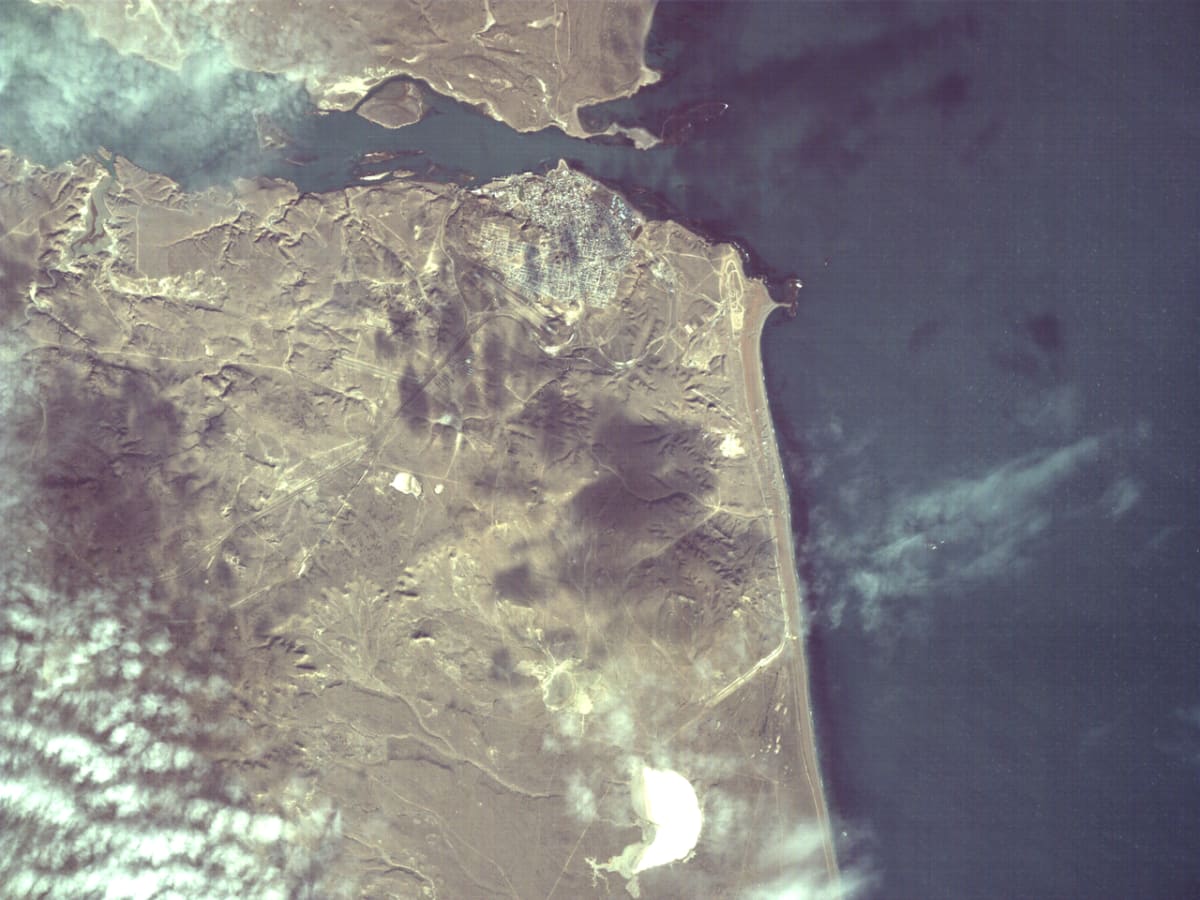
Scientists gave the AI natural language queries like "find where nature meets human development" or "identify infrastructure around railway hubs." The model analyzed the imagery and delivered answers, all while orbiting hundreds of miles above Earth.
This is completely different from how satellites normally work. Today, spacecraft beam massive amounts of raw data down to Earth, where tired analysts spend hours sorting through images to find what matters. It's like emptying an entire library onto someone's desk and asking them to find one specific paragraph.
Now, satellites can do that first pass themselves. They can scan, identify, and send down only the important stuff, saving time and bandwidth.
Why This Inspires
The breakthrough opens a future where satellites act more like smart assistants than dumb cameras. Imagine telling a spacecraft to "watch this border and alert me if something looks wrong," then having it monitor 24/7 without constant human supervision.
Loft Orbital's head of AI, Paul Lasserre, calls it an "always-on patrol layer in space." Between 50 and 100 satellites like Yam-9 could provide real-time coverage of anywhere on Earth.
The technology also hints at something bigger: AI assistants for astronauts exploring the Moon or Mars. JPL researcher Taran Cyriac John originally imagined these models helping spacesuit-wearing explorers who can't type on keyboards. They could ask questions and get answers hands-free, like a helpful companion in a video game.
Other companies are racing to catch up. Planet Labs is researching similar applications, and Kepler Communications, which operates the largest group of GPUs in space, hints at "several undisclosed use cases" already in orbit.
The team had to get creative to make this work. While Gemma 3 is designed for limited hardware, engineers still had to strip down the software package to reduce memory requirements. Space is tough—power and memory are precious resources when you're running on solar panels and can't exactly upgrade your hard drive.
Loft currently operates 12 spacecraft and plans to expand. Each successful deployment teaches them more about running sophisticated AI in the harsh environment of space, paving the way for even larger systems.
From monitoring environmental changes to tracking infrastructure development to assisting future Mars explorers, satellites that think for themselves could help us understand and protect our world in ways we're only beginning to imagine.
More Images

Based on reporting by TechCrunch
This story was written by BrightWire based on verified news reports.
Spread the positivity!
Share this good news with someone who needs it