Satellite 'Mechanic' Heads to Space After SpaceX Launch
A spacecraft designed to repair and refuel satellites in orbit just launched from Cape Canaveral, promising to extend the life of aging satellites and reduce space junk. Think of it as roadside assistance, but 22,000 miles above Earth.
A robotic spacecraft the size of a moving van launched Tuesday afternoon on a mission that could transform how we maintain satellites in space.
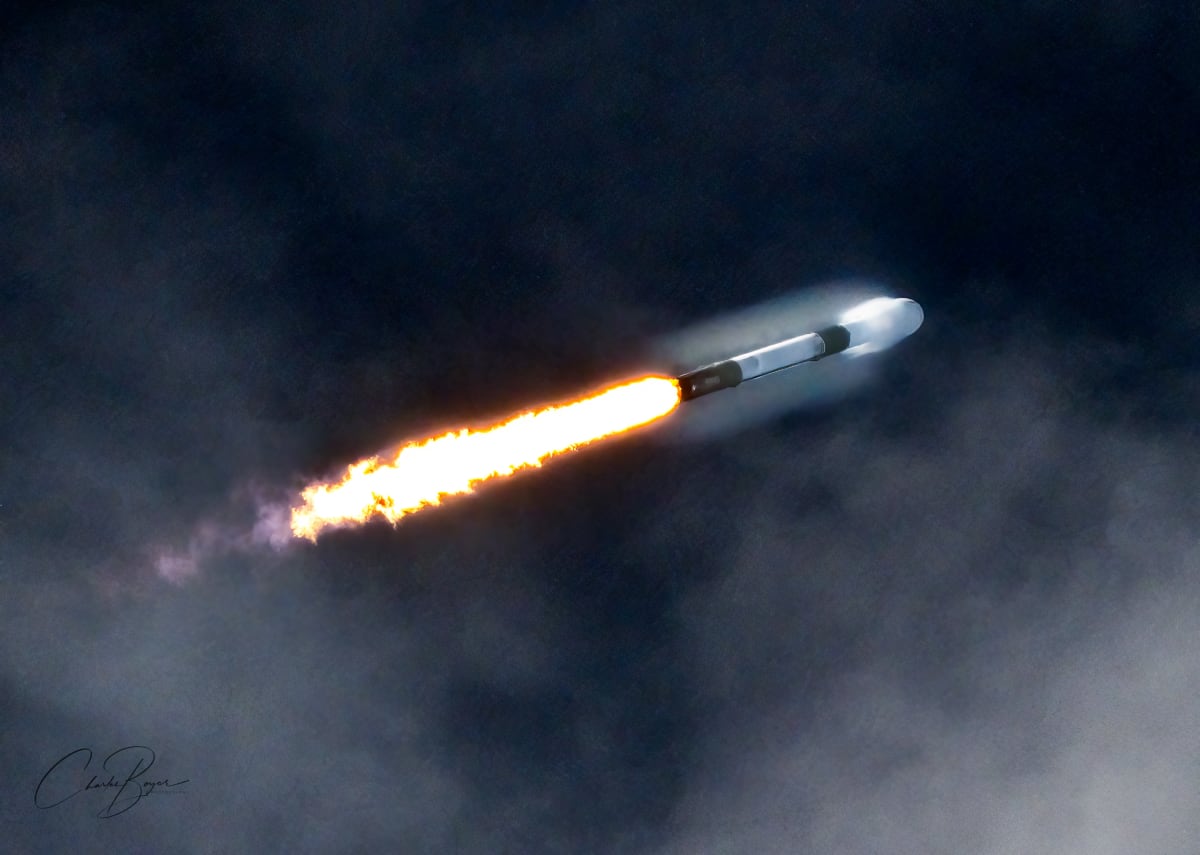
SpaceX's Falcon 9 rocket lifted off at 5:15 PM from Cape Canaveral Space Force Station, carrying Northrop Grumman's Mission Robotic Vehicle into orbit. The spacecraft deployed successfully about 36 minutes later, beginning its yearlong journey to its permanent workspace high above Earth.
The MRV isn't just another satellite. It's equipped with two robotic arms and can do something most spacecraft can't: grab onto satellites that were never designed to be touched, then repair them, refuel them, or move them to new positions.
The spacecraft will spend the next year slowly climbing to geostationary orbit, where it will meet three propulsion pods also launched Tuesday. Once there, it'll demonstrate its skills by installing those pods onto client satellites, essentially giving aging spacecraft a second life.
Why This Inspires
Most satellites today are designed as disposable. When they run out of fuel or need repairs, they become expensive space junk. The MRV changes that equation entirely.
The spacecraft carries the first refueling system approved by the U.S. Space Force, meaning it can top off satellites in orbit and even refuel itself. That could stretch its working life beyond its planned decade of service.
Northrop Grumman envisions a future where servicing satellites in space becomes as routine as maintaining airplanes on the ground. Instead of launching entirely new satellites when old ones fail, we could simply send up a mechanic.
The mission required so much power that SpaceX sacrificed its veteran booster, B1069. After 32 successful flights since 2021, the rocket completed its final mission without attempting to land, giving every ounce of fuel to push the heavy spacecraft toward its destination.
If the MRV succeeds, it won't just save satellite operators millions of dollars. It could help clean up the growing problem of space debris while keeping critical communications, weather, and GPS satellites running longer.
More Images


Based on reporting by Google: SpaceX launch success
This story was written by BrightWire based on verified news reports.
Spread the positivity!
Share this good news with someone who needs it