Satellites Detect Invasive Weeds with 89% Accuracy
Australian researchers are using satellite imagery and AI to spot destructive invasive weeds with nearly 90% accuracy, offering a game-changing tool to protect farms and native ecosystems. The breakthrough could slash the massive costs of fighting plants that drain $4 billion annually from Australia's economy.
Scientists just found a powerful new ally in the fight against invasive weeds that threaten Australia's farmland and coastal ecosystems.
Researchers from Charles Darwin University and Charles Sturt University have successfully trained artificial intelligence to identify two of Australia's most damaging invasive plants using satellite images from space. The AI detected African lovegrass with 89.9% accuracy and bitou bush with 86.1% accuracy across New South Wales test sites.
The timing couldn't be better. African lovegrass alone contributes significantly to the $4 billion Australia spends each year controlling agricultural and environmental weeds. This aggressive grass spreads rapidly across disturbed ground, outcompetes native species, and offers zero nutritional value to livestock who avoid eating it.
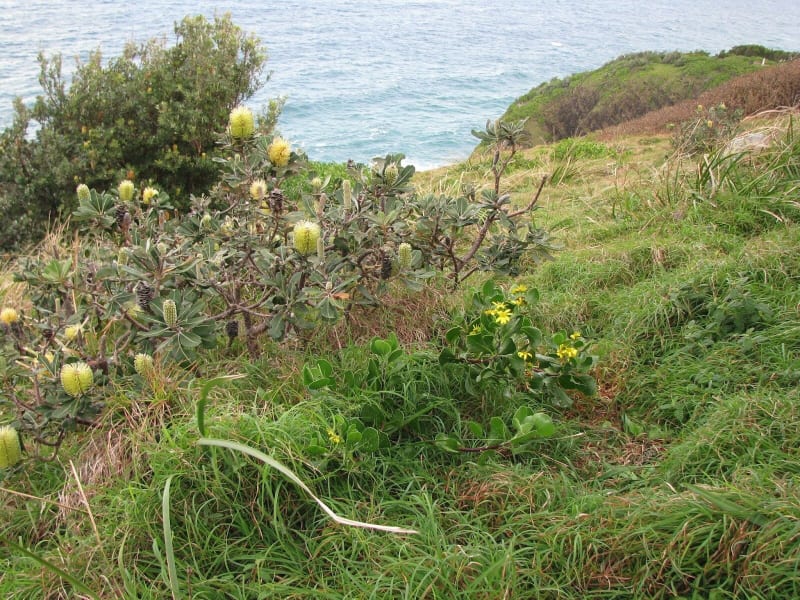
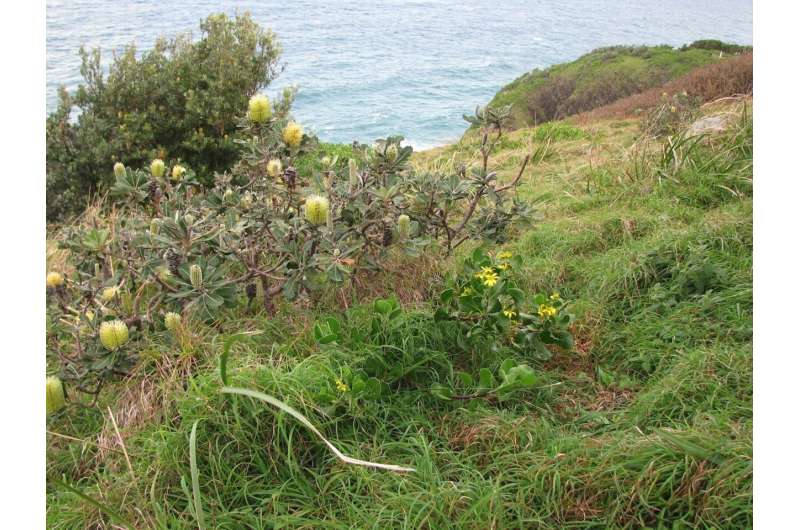
Bitou bush poses an equally serious threat to coastal areas. Classified as a Weed of National Significance by the Australian Government, this invasive shrub forms dense thickets that smother native coastal plants and devastate biodiversity along Australia's shores.
Until now, detecting these invaders required expensive, labor-intensive ground surveys. Teams had to physically walk vast landscapes to map infestations, a process that took enormous time and resources while the weeds kept spreading.
"Ground sampling is very labor-intensive," explained CDU Spatial Analyst Glen Shennan, who co-authored the study published in Weed Research. "If we can make drones and satellites work, it can cut down the cost enormously and you can do this repeatedly to see where the species are spreading."
The technology offers another crucial advantage. African lovegrass looks remarkably similar to native poa tussock when young, fooling even experienced botanists. Satellites detect light wavelengths invisible to human eyes, allowing them to spot differences people simply cannot see.
The Ripple Effect
This breakthrough opens doors beyond just these two species. Land managers can now identify vulnerable areas before invasive plants arrive and direct limited funding exactly where it's needed most. Repeated satellite passes will track how fast infestations spread, helping authorities stay ahead of the problem instead of constantly playing catch-up.
The method proves especially valuable for African lovegrass, which has developed resistance to herbicides and thrives during drought conditions when native plants struggle. Its ability to rapidly colonize areas after fires makes early detection critical for protecting recovering ecosystems.
The research team is already planning next steps. They're expanding their dataset, partnering with government agencies, and refining the models to better distinguish between look-alike species. As the technology improves, it could become standard practice for environmental protection across Australia.
What started as a research project could soon become the frontline defense protecting Australia's farms, native grasslands, and precious coastal habitats from silent invasion.
More Images
Based on reporting by Phys.org
This story was written by BrightWire based on verified news reports.
Spread the positivity!
Share this good news with someone who needs it