AI Model Protects 10,000 Fish Species Before Extinction
Scientists created an AI system that spots freshwater fish at risk before they become endangered, giving conservationists time to save them. The model analyzes 10,000 species worldwide with 88% accuracy, shifting conservation from crisis response to prevention.
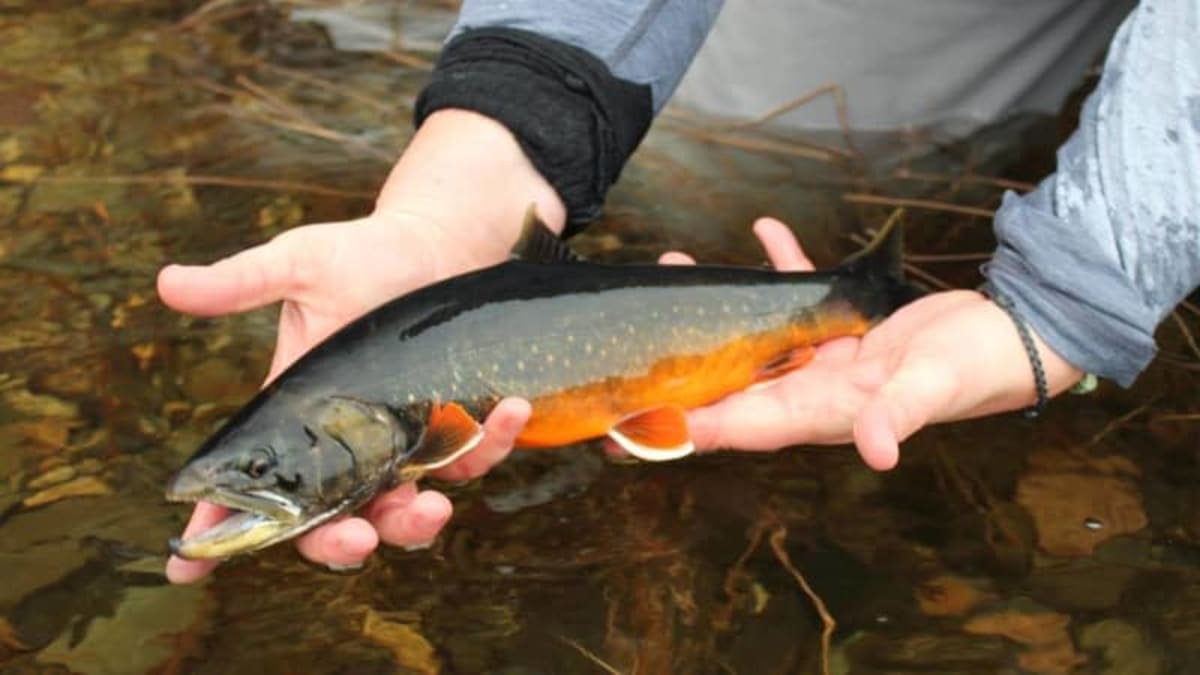
A new artificial intelligence system can now predict which freshwater fish are heading toward extinction before populations collapse, giving conservationists a fighting chance to protect species while it still matters.
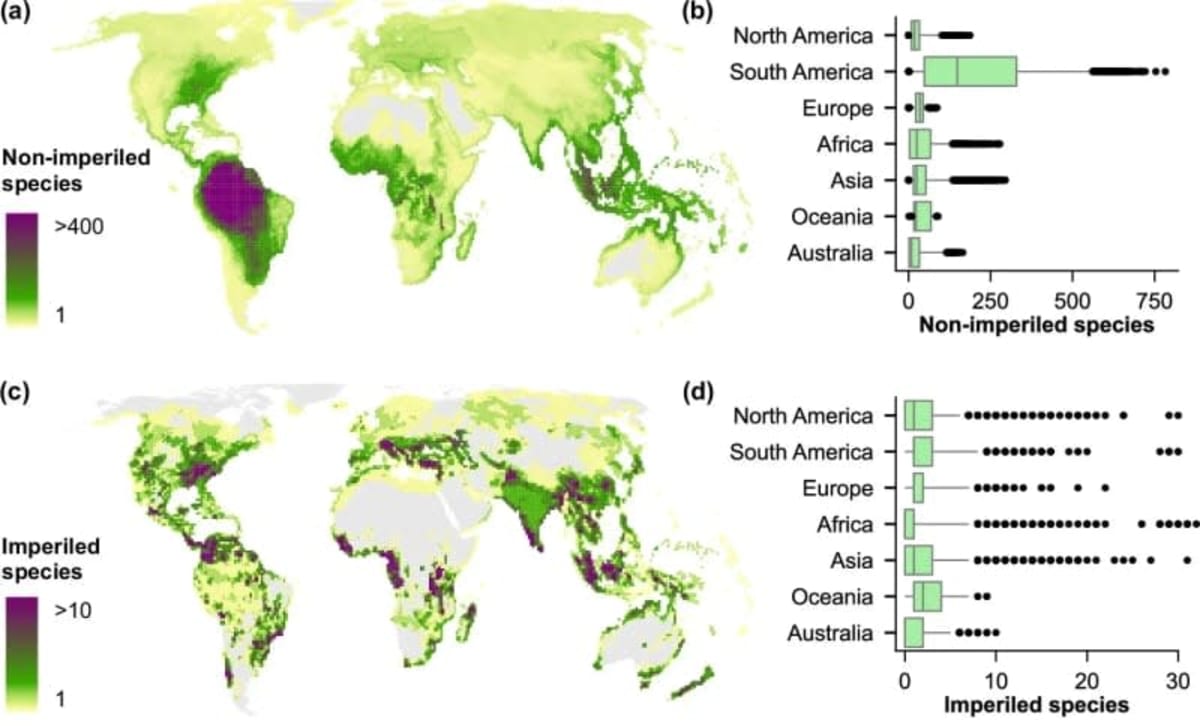
Nearly one in three freshwater fish species faces possible extinction today. University of Maine assistant professor Christina Murphy and her research team spent five years building a machine learning model that evaluates extinction risk for more than 10,000 species worldwide, and their findings just published in Nature Communications point to real hope.
The breakthrough isn't just detecting threats. It's finding the signals of survival.
Traditional conservation methods wait until species are already declining. Murphy's team flipped that approach by teaching AI to recognize what healthy fish populations look like, then flagging species that don't match those conditions.
The model analyzes 52 different factors from environmental conditions to human economic patterns. It achieved 88% accuracy overall, correctly identifying stable species 90% of the time.
The results revealed something surprising about conservation. Stability follows predictable patterns, while the paths to extinction vary wildly.
"Our results suggest conservation works like human health: the signals of well-being are often more consistent than the many pathways to illness," explained co-author J. Andres Olivos, a postdoctoral researcher at Oregon State University.
Species thriving today share common traits. They live in regions with reliable water, moderate river development, minimal habitat disruption, and relatively low human pressure.
Habitat diversity emerged as a key predictor. Fish with access to varied, well-connected habitats showed stronger survival odds than those in fragmented environments.
Why This Inspires
This technology transforms conservation from emergency response to preventive care. Decision makers can now deploy resources before species reach the endangered list, when protection efforts have the best chance of working.
The model highlights something often overlooked in conservation work. Success leaves clues just as much as failure does.
Murphy emphasized that understanding what keeps species stable matters as much as identifying threats. By recognizing healthy conditions, conservationists can replicate them elsewhere and protect at-risk populations before crisis hits.
The research team included scientists from Oregon State University, the U.S. Geological Survey, the U.S. Forest Service, and the University of Girona in Spain. Their collaboration began in 2020 with a clear mission: stop waiting until it's too late.
Ivan Arismendi, associate professor at Oregon State University, put it simply: "With our model, decision makers can deploy resources in advance before a species becomes imperiled."
The tool won't solve every problem facing freshwater ecosystems, but it offers something conservation desperately needs: time to act when actions still work.
More Images


Based on reporting by Google: species saved endangered
This story was written by BrightWire based on verified news reports.
Spread the positivity!
Share this good news with someone who needs it