Satellites Now Think for Themselves 500km Above Earth
Planet Labs just proved satellites can use AI to detect objects in space and send alerts to Earth in minutes instead of hours. The breakthrough turns orbiting cameras into an intelligent early warning system for disasters and emergencies.
Imagine a satellite that doesn't just take pictures but actually understands what it's seeing while still in space. That future just arrived 500 kilometers above Australia.
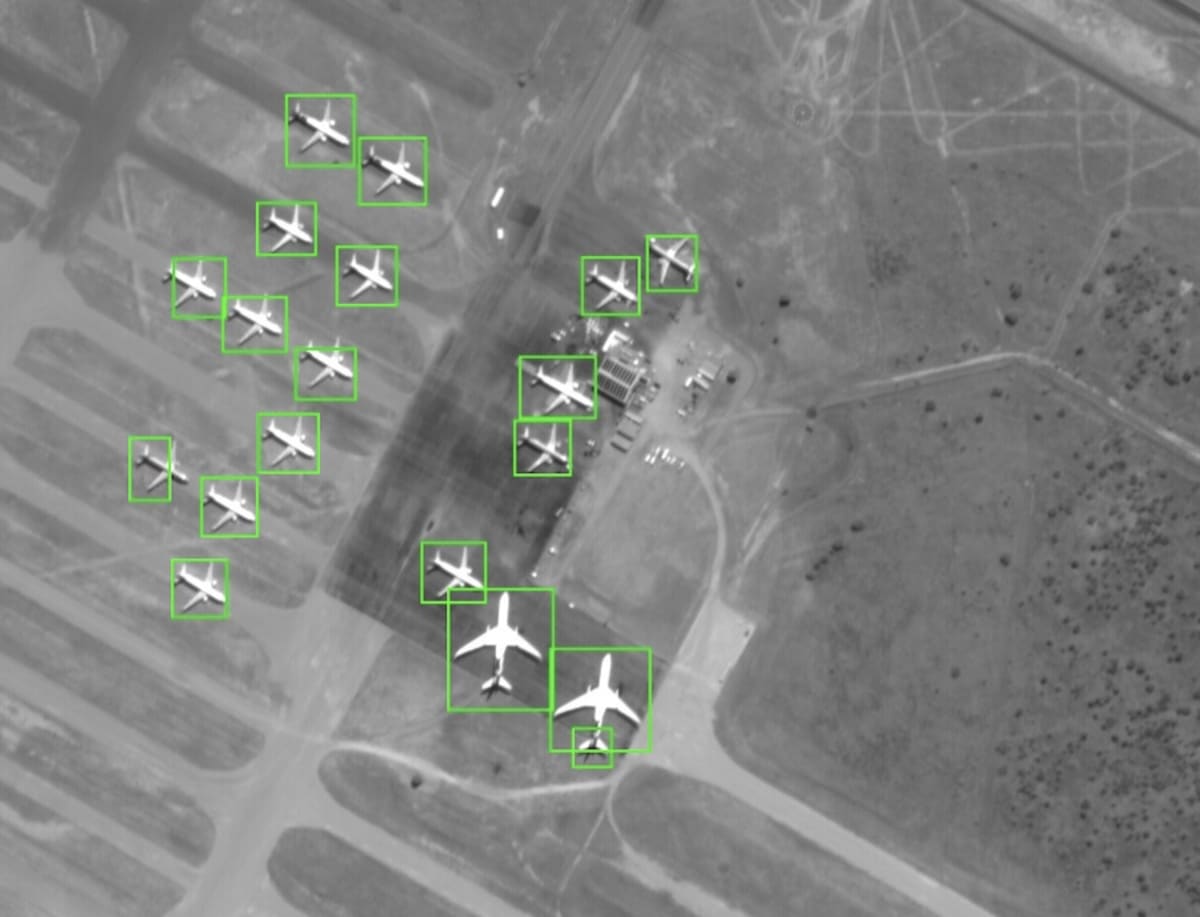
On March 25, Planet Labs successfully tested AI-powered object detection directly on a satellite orbiting Earth. The spacecraft captured an image of an airport near Alice Springs and identified aircraft within moments using an onboard NVIDIA processor.
This marks one of the first times an Earth observation satellite has analyzed its own data in orbit. Traditional satellites snap photos and beam everything down to ground stations, where human analysts spend hours sifting through images.
"We're moving AI from the internet into the physical realm, effectively connecting the 'eyes' of our satellites with an onboard 'brain' to create a nervous system for the planet," said Will Marshall, Planet Labs' CEO and co-founder. The technology slashes response time from hours to minutes.
For disaster response teams, those saved hours could mean the difference between life and death. A wildfire-monitoring satellite could spot new flames and alert firefighters before the blaze spreads. Flood-detection systems could warn communities downstream while there's still time to evacuate.
Kiruthika Devaraj, Vice President of Avionics and Spacecraft Technology, explained the breakthrough reduces both delays and costs. Instead of downloading massive image files, satellites can now send only the critical information that matters.
The system runs on NVIDIA's Jetson Orin module, which performs the AI analysis in orbit. The satellite generates ready-to-use geographic data formats directly in space, eliminating the ground-processing bottleneck entirely.
The Ripple Effect
Planet Labs plans to build this capability into its upcoming Pelican and Owl satellite networks. These constellations will communicate with each other in orbit, creating an intelligent mesh network watching over Earth.
The applications extend far beyond disaster response. Security monitoring could track illegal fishing or deforestation in real time. Agricultural systems could alert farmers to crop diseases before they spread. Climate scientists could get immediate data on ice melt or ocean changes.
While the onboard AI models are still early in development, the successful test proves the concept works. Planet Labs envisions satellites that don't just observe Earth but truly understand what they're seeing.
This shift from passive cameras to active intelligence systems represents a fundamental change in how we monitor our planet. Satellites are becoming smarter, faster, and more useful with each orbit.
The technology transforms space-based Earth observation from a historical record into a living, breathing intelligence network that helps humanity respond when seconds count.
More Images




Based on reporting by Google News - AI Breakthrough
This story was written by BrightWire based on verified news reports.
Spread the positivity!
Share this good news with someone who needs it