Satellites Spot Bridge Problems Before They Become Disasters
Scientists can now predict bridge collapses from space by detecting tiny shifts invisible to the human eye. The breakthrough could save lives and billions in infrastructure costs worldwide.
Imagine if we could spot a failing bridge before anyone got hurt. A University of Houston scientist just made that possible using satellites orbiting hundreds of miles above Earth.
Pietro Milillo led an international team studying 744 bridges across the globe. They discovered that combining satellite radar imaging with traditional risk calculations can identify structural problems long before they become dangerous. The technology detects movements as small as millimeters, catching warning signs that human inspectors might miss.
The method uses Multi-Temporal Interferometric Synthetic Aperture Radar, which sounds complex but does something beautifully simple. It watches bridges from space and spots tiny shifts caused by time, weather, and wear. These minuscule changes often signal bigger problems brewing beneath the surface.
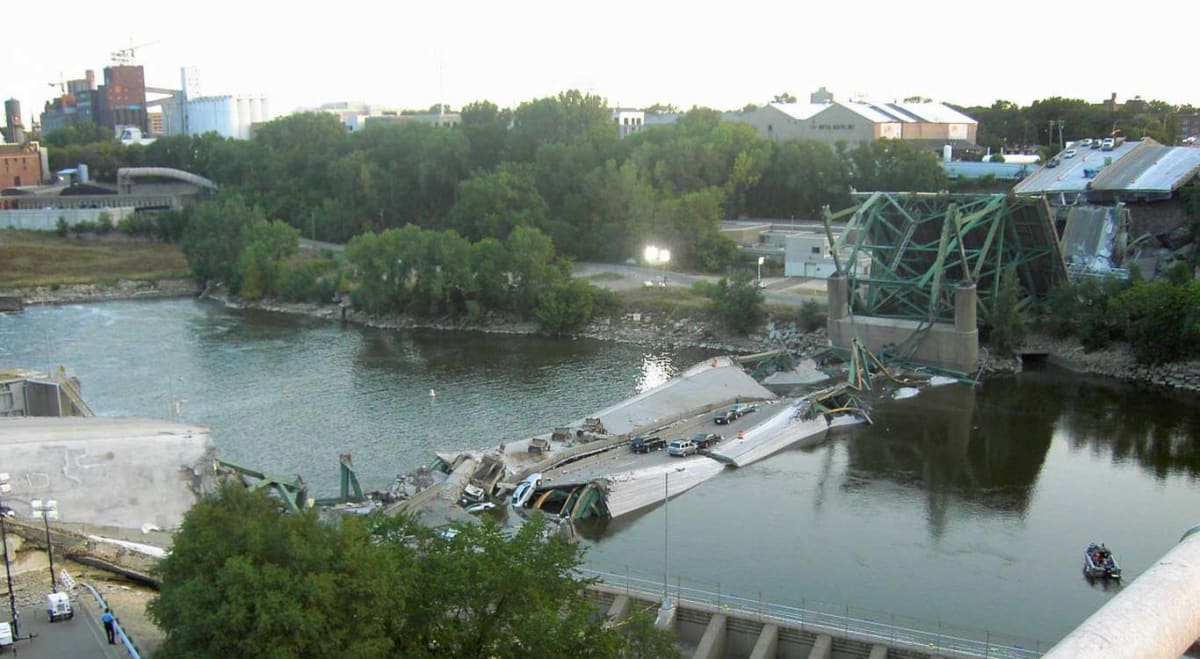
The research, published in Nature Communications, revealed a surprising finding about bridge conditions worldwide. North American bridges are in the poorest shape, mostly because many were built in the 1960s and are now aging past their design life. African bridges rank second in poor condition but face a different challenge: they rarely get inspected at all.
Traditional bridge inspections happen only once or twice a year and require trained professionals to physically examine every structure. Inspectors can miss early signs of deterioration between visits, and their assessments can be subjective. Permanent sensors offer better monitoring but cost too much for widespread use, appearing on fewer than 20% of the world's long bridges.
Satellite monitoring changes this equation completely. It provides frequent updates across entire bridge networks without requiring anyone on the ground. The system works especially well in places where installing traditional sensors is too expensive or where direct access is difficult.
Why This Inspires
This breakthrough represents more than just clever technology. It offers hope for communities everywhere that depend on aging infrastructure but lack resources for constant monitoring.
The research team included scientists from the University of Bath in the UK and Delft University of Technology in the Netherlands. Together, they proved that space-based monitoring can complement ground inspections, creating a more complete picture of bridge health. Their work could dramatically reduce the number of bridges classified as high risk by providing data that removes uncertainty from risk assessments.
The implications reach far beyond bridges. The same technology could monitor dams, buildings, and other critical structures, creating an early warning system for infrastructure failures worldwide.
For communities watching their bridges age and budgets tighten, this innovation offers something precious: time to fix problems before they become tragedies.
More Images
Based on reporting by Good News Network
This story was written by BrightWire based on verified news reports.
Spread the positivity!
Share this good news with someone who needs it