Saturn Grows Mysterious 10-Sided Storm at South Pole
Astronomers just watched a rare 10-sided storm pattern form at Saturn's south pole for the first time in recorded history. The discovery gives scientists a front-row seat to witness how massive planetary weather systems are born.
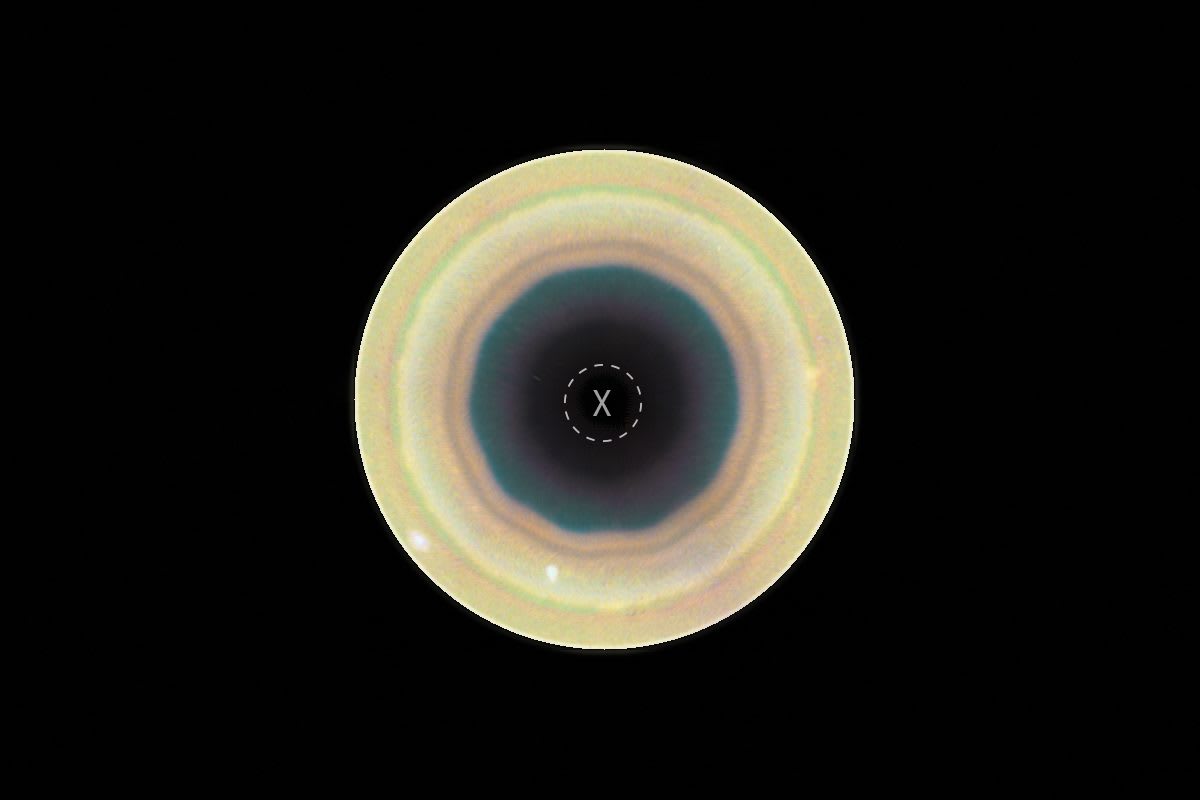
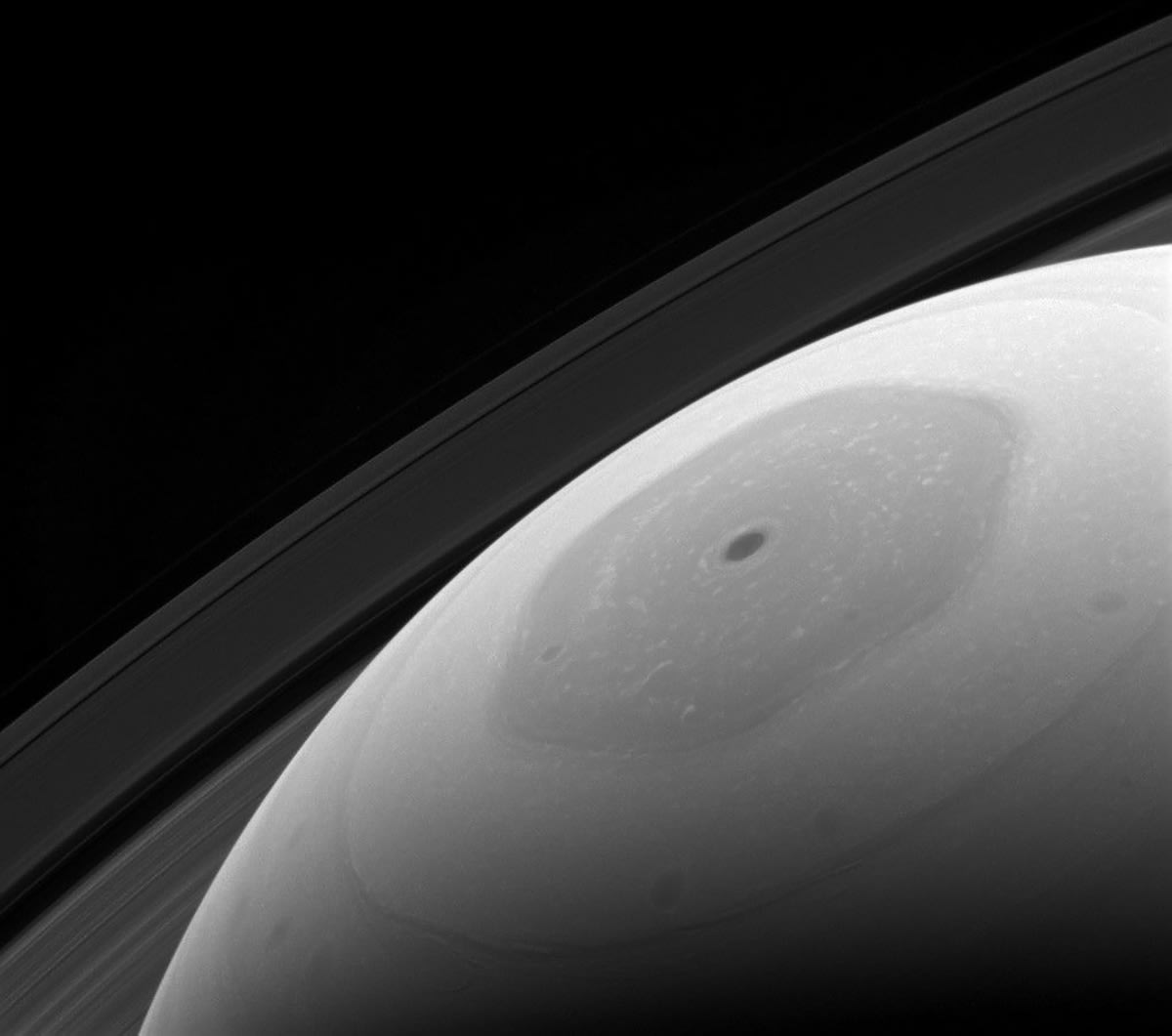
Scientists are watching something extraordinary unfold on Saturn: a giant 10-sided storm that appeared out of nowhere and is still growing stronger.
The Hubble Space Telescope captured the mysterious decagon circling Saturn's south pole in 2023, and researchers have been tracking it ever since. This marks the first time astronomers have observed a regular geometric jet pattern forming in Saturn's southern hemisphere.
"The most intriguing part to me is that this seems to have just formed recently," says Amy Simon at NASA's Goddard Space Flight Center. "The question is, why did it suddenly form now when we haven't seen one before?"
Saturn isn't a stranger to geometric storms. The planet's north pole has hosted a famous hexagon-shaped jet stream for over 40 years. But this southern decagon represents something completely different, giving planetary scientists a rare opportunity to watch a massive atmospheric pattern develop in real time.
The discovery happened thanks to teamwork between professional astronomers and amateur stargazers. Agustín Sánchez-Lavega from the University of the Basque Country first spotted hints of the pattern through the Planetary Virtual Observatory Laboratory website, which collects images from observers worldwide. Amateur astronomers Trevor Barry and Jean-Paul Oger helped confirm the sighting before Hubble provided the crystal-clear views needed to seal the discovery.
The storm stretches deep into Saturn's atmosphere, penetrating multiple cloud layers with winds that can reach 500 miles per hour. It's not just a surface feature but a towering atmospheric structure that changes appearance depending on which wavelength of light captures it.
Saturn's changing seasons slowly brought the south pole back into view from Earth, which is how astronomers first spotted the developing pattern. Researchers combed through Hubble images dating back to 2023 and found the decagon had been quietly forming for at least two years.
Why This Inspires
This discovery reminds us that even in our own cosmic neighborhood, new wonders still await discovery. Professional scientists and amateur sky watchers worked together across continents to unlock a planetary mystery that had been hiding in plain sight for decades.
The decagon appears to be strengthening, which means researchers have time to study how giant weather systems form on gas planets. Both Hubble and the James Webb Space Telescope will continue monitoring the storm, while computer models help scientists understand why it formed and how long it might last.
For the first time in human history, we're watching a planet-sized weather pattern come to life.
More Images



Based on reporting by Google News - Science
This story was written by BrightWire based on verified news reports.
Spread the positivity!
Share this good news with someone who needs it