Schools Turn Summer Programs Into Fun Students Want to Attend
Districts across America are redesigning summer school into an experience kids actually enjoy, boosting attendance above 90% while closing learning gaps. The secret? Treating it like summer camp with themes, prizes, and adventure.
Summer school used to mean boring remedial classes in stuffy buildings, but districts nationwide are proving it doesn't have to be that way.
More than 80% of school districts offer summer programs, but only one-third meet basic standards for effectiveness, according to RAND Corporation research. The difference between programs that work and those that don't comes down to intentional design that makes kids excited to show up.
Roma Independent School District in Texas shows what's possible when creativity meets purpose. Superintendent Carlos Gonzalez transformed summer learning by building it around themes like "Around the World in 20 Days" and "Adventureland." Students receive mock plane tickets in the mail and spend their summer "traveling" to places most have never seen in real life.
The Roma program serves about 400 students, most from families living in poverty near the U.S.-Mexico border. Each day includes three hours of math and reading instruction combined with two hours of science projects, music, and art, plus an hour of physical activity. Students earn "Gladiator Bucks" for good behavior to spend at an end-of-summer store stocked with prizes.
Last summer, Roma's attendance hit 90%, far exceeding the 60% threshold that research shows is needed for academic improvement. The formula works because kids want to be there.
Other districts are partnering with community centers to provide modern spaces and broader resources. Madison, Wisconsin superintendent Joe Gothard uses newer community facilities that can serve multiple schools at once. Lincoln, Nebraska created "community learning centers" at high-poverty schools that stay open before and after school, on holidays, and during summer breaks.
The Ripple Effect
The impact reaches beyond individual students. When summer programs succeed, they break cycles of learning loss that disproportionately affect kids from low-income families. Research shows well-designed programs produce meaningful academic and behavioral benefits across different student groups.
The key ingredients are straightforward: early planning, curriculum aligned with regular school lessons, quality staff, enrichment activities, and programs lasting at least five weeks. Districts must also solve practical barriers like transportation and schedules that work with parents' jobs.
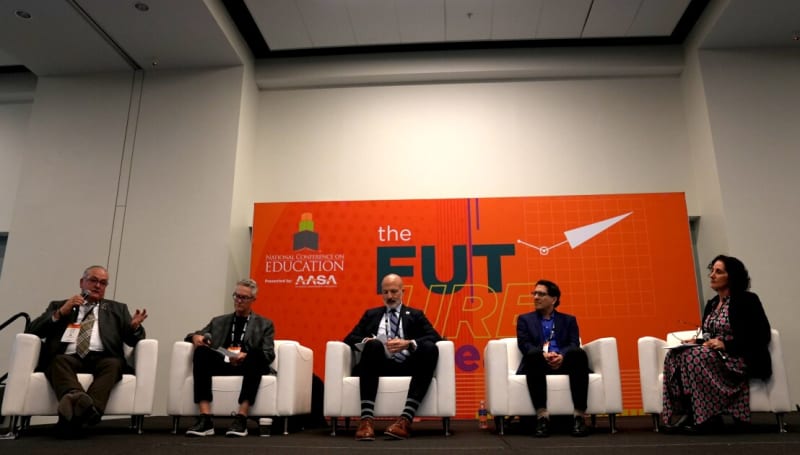
Ben Master, the RAND researcher who presented these findings at February's National Conference on Education, emphasized that program climate matters most. His team can predict attendance rates simply by measuring how welcoming a program feels to students.
Every district offers free breakfast and lunch, removing another barrier that might keep families away. The message is clear: summer learning works when schools stop thinking of it as remediation and start treating it as opportunity.
Kids across America are proving they'll show up for learning when that learning looks like adventure.
More Images


Based on reporting by Google News - Student Achievement
This story was written by BrightWire based on verified news reports.
Spread the positivity!
Share this good news with someone who needs it