Science Clears MSG: 1968 Letter Created a Myth
A single doctor's letter in 1968 sparked decades of fear about MSG, but modern science proves it's completely safe. This natural flavor enhancer was unfairly blamed for "Chinese Restaurant Syndrome" that never actually existed.
For over 50 years, those three letters have scared diners away from perfectly safe food. MSG became public enemy number one because of bad science, cultural bias, and one letter to a medical journal.
In 1968, a doctor wrote to the New England Journal of Medicine describing symptoms he felt after eating at Chinese restaurants. He wondered if MSG might be the culprit. The media immediately ran wild with the story, coining the term "Chinese Restaurant Syndrome" before any actual research was conducted.
That single unverified claim changed food culture forever. Restaurants rushed to post "No MSG" signs in their windows. Entire generations grew up believing this natural ingredient was dangerous.
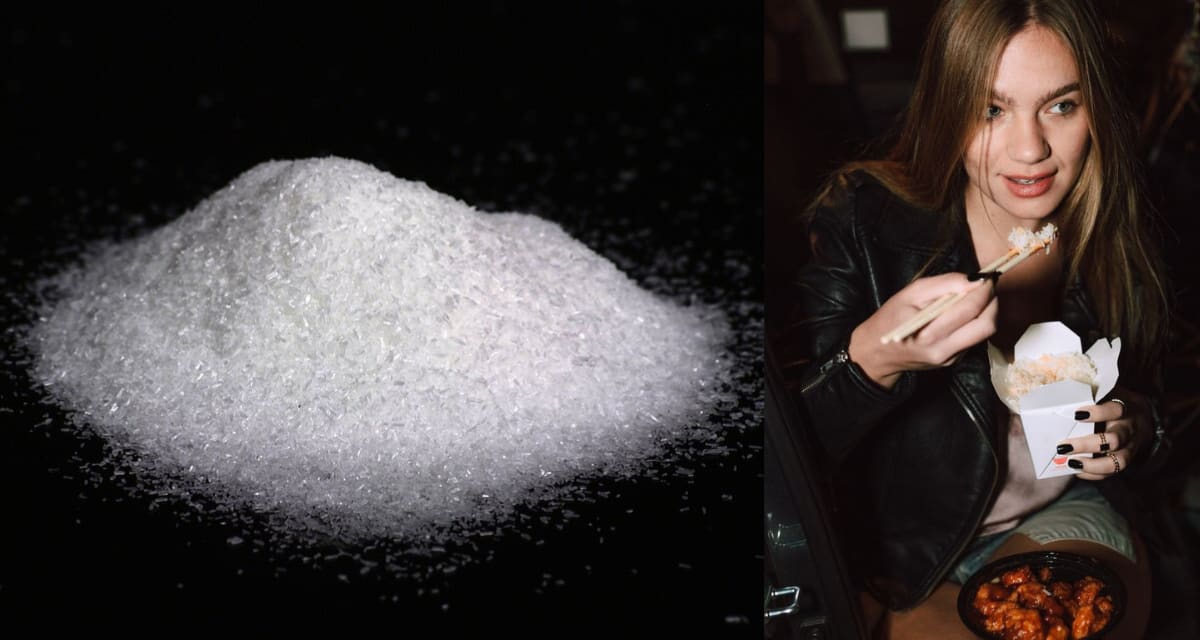
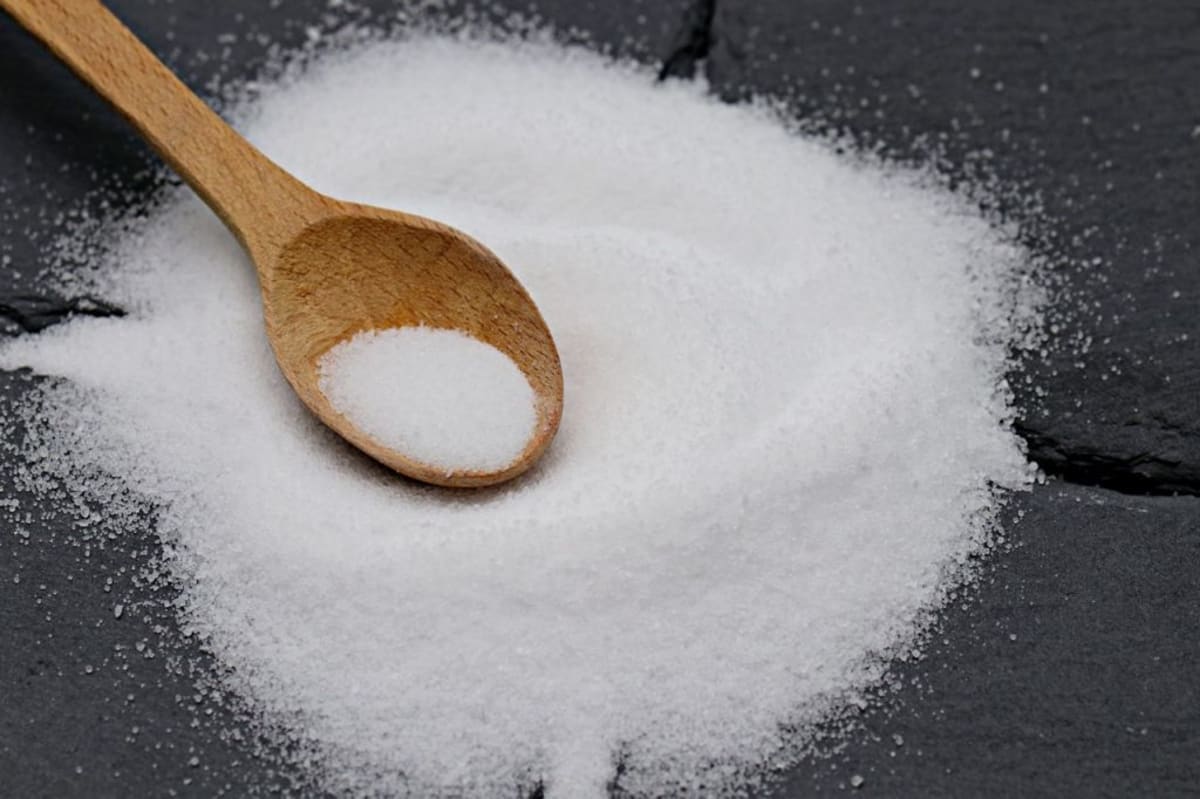
Here's what MSG actually is: sodium combined with glutamate, an amino acid that occurs naturally in tomatoes, cheese, mushrooms, and seaweed. It creates that deeply satisfying savory taste known as umami. Your body can't tell the difference between glutamate from MSG and glutamate from a tomato.
When FDA scientists finally tested MSG properly in the 1990s, the myth fell apart. Research confirmed that consuming MSG in normal amounts causes no adverse symptoms. A very small percentage of people may experience mild sensitivity to large doses on an empty stomach, but MSG is widely recognized as safe.
Why This Inspires
The MSG story shows how science can overcome decades of misinformation. It reminds us that beliefs based on fear rather than facts can be corrected with proper research and education.
Even better news for health-conscious cooks: MSG contains about two-thirds as much sodium as regular table salt. For people trying to cut sodium without sacrificing flavor, it's actually helpful.
The irony is hard to miss. We happily devour Doritos, ranch dressing, hot dogs, and mushroom soup, all loaded with glutamate. A standard serving of commercial snack chips contains far more glutamate than an order of Chinese takeout.
Food scientists and chefs are now working to clear MSG's name. Social media influencers are spreading the truth to millions. Major food publications are publishing articles debunking the myths.
The shift is happening slowly but surely. More people are learning that this flavor enhancer was unfairly demonized. Younger generations are questioning why their parents avoided something that appears in foods they eat every day.
It's time to let go of a 56-year-old misconception based on one person's unverified observation and embrace what science actually tells us about this safe, useful ingredient.
More Images


Based on reporting by Upworthy
This story was written by BrightWire based on verified news reports.
Spread the positivity!
Share this good news with someone who needs it