Science Proves Laughing at Yourself Boosts Mental Health
New research finally settles the debate: 80% of people can genuinely laugh at themselves, and it comes with real psychological benefits. Mastering this skill could be your gateway to better relationships and greater life satisfaction.
Scientists have cracked the code on one of life's trickiest social skills, and the findings are surprisingly hopeful.
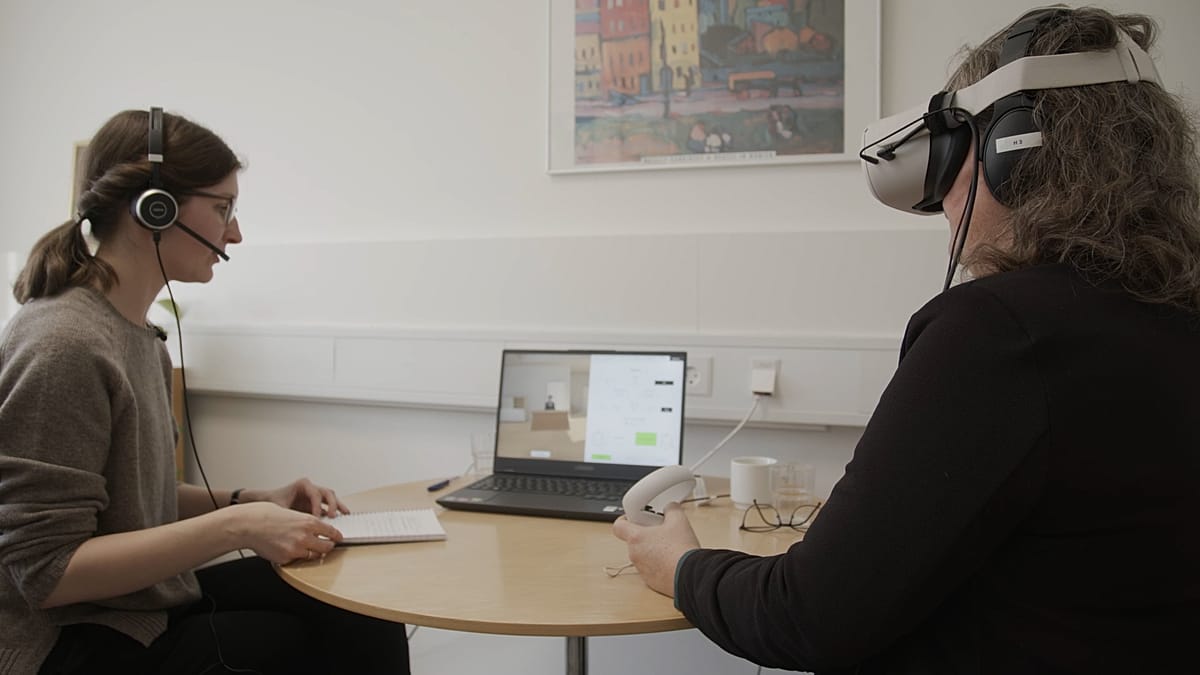
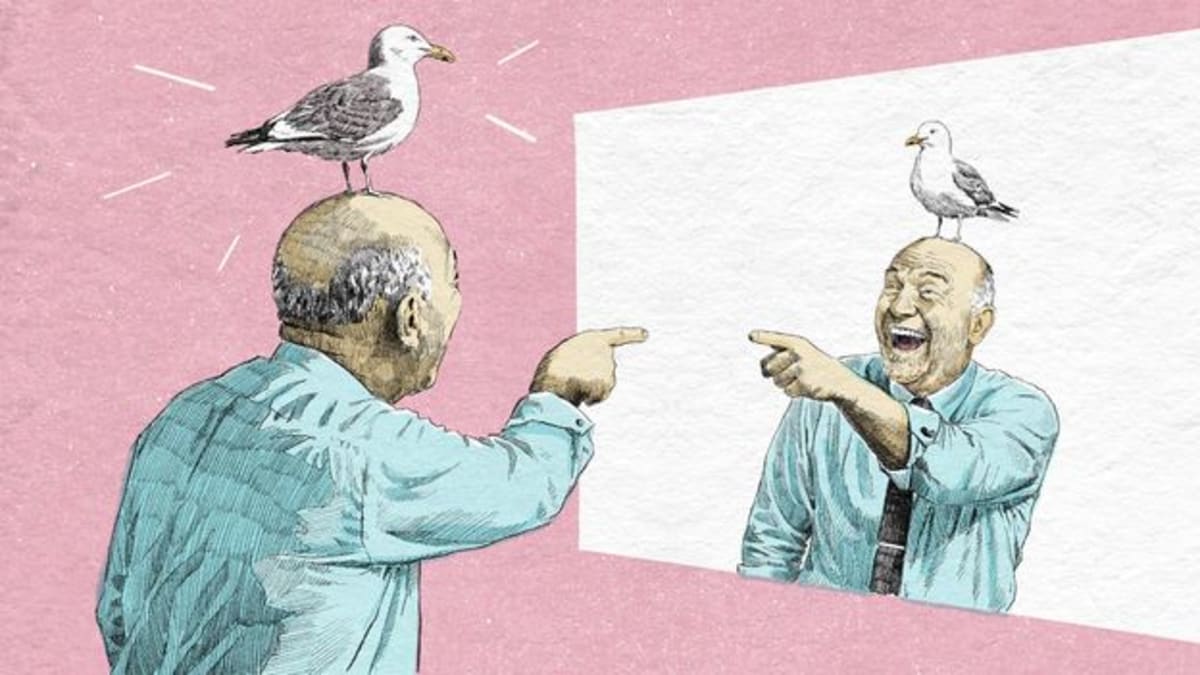
For decades, researchers argued about whether people could truly laugh at themselves or if they were just pretending to be good sports. In 2011, European scientists finally put it to the test with a clever experiment: they secretly videotaped volunteers, then showed them distorted fun-house mirror versions of their own faces.
The results were encouraging. Eighty percent of participants at least smiled at their goofy reflection, while 40% laughed out loud.
"Now the science is quite settled that yes, it is possible to laugh at oneself, and there are actually quite numerous benefits associated with that," says Sonja Heintz, a psychology lecturer at Plymouth University who researches humor.
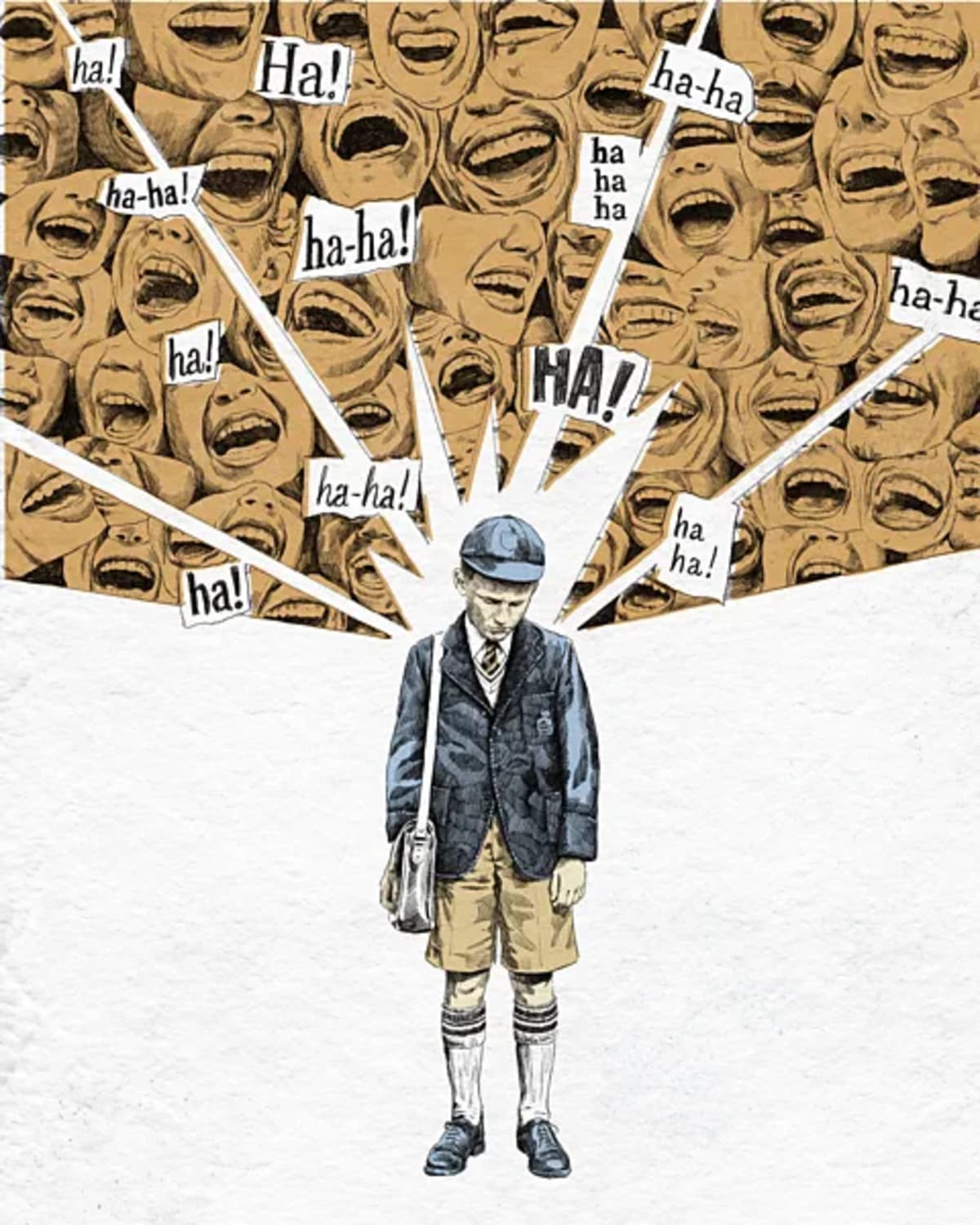
The discovery matters more than you might think. Back in the 1990s, psychologists studying schoolyard rejection found something telling: the kids who got excluded weren't always the aggressive bullies or the timid loners. The common thread was simpler: they couldn't take a joke.
Children who shrugged off teasing or found it amusing thrived socially. Those who responded with anger or withdrew in hurt feelings struggled to connect with peers.
That pattern continues throughout life. Studies show that a light-hearted outlook correlates with better mental health, stronger relationships, and improved overall prospects.
American humor researcher Paul McGhee called laughing at yourself one of the most challenging types of humor to master. In his seven-step program for developing a sense of humor, self-directed laughter ranked as the second-hardest skill, just below finding humor in stressful situations.
But it's worth the effort. McGhee saw it as a "core component" of a more joyful existence and the gateway to other types of humor.
Why This Inspires
Not everyone finds self-mockery easy, and that's okay. Some people struggle with what researchers call gelotophobia: an acute sensitivity to being laughed at. These individuals might interpret even friendly smiles as mockery.
But here's the inspiring part: this isn't about forcing yourself to be the class clown. The research shows that even a small smile at your own expense counts. That 80% success rate in the mirror experiment proves most of us already have this capability inside us.
The science suggests we're naturally equipped for this kind of gentle self-awareness. We just need permission to use it. When we do, we open doors to deeper connections, reduced stress, and a lighter way of moving through the world.
Learning to laugh at yourself isn't about diminishing your worth; it's about recognizing your humanity and finding joy in it.
More Images


Based on reporting by BBC Future
This story was written by BrightWire based on verified news reports.
Spread the positivity!
Share this good news with someone who needs it