Scientist Defends Bats: No Proof They Spread Ebola
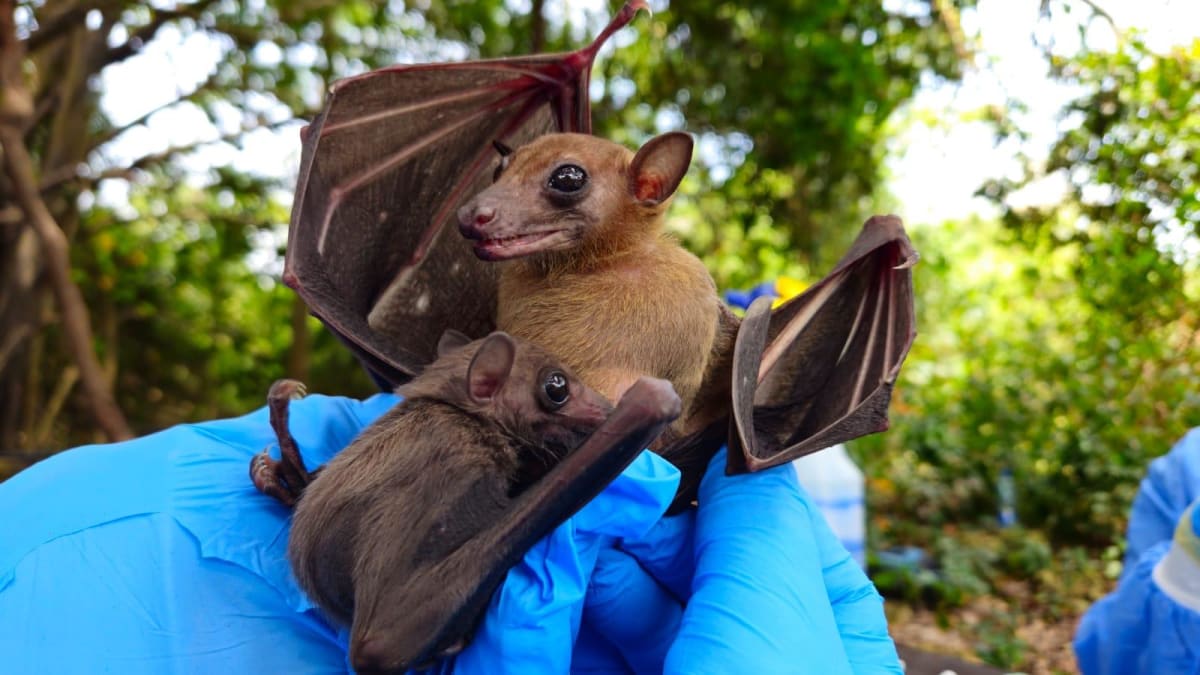
Despite widespread fears, there's no conclusive evidence linking bats to Ebola outbreaks, says leading wildlife biologist Dr. Paul Webala. He warns that destroying bat colonies could harm ecosystems that depend on these misunderstood mammals.
A wildlife scientist is pushing back against the blame game targeting bats during Africa's latest Ebola outbreak, and his message could save crucial ecosystems.
Dr. Paul Webala, who has studied bats for over 20 years at Kenya's Maasai Mara University, says the evidence just isn't there. Despite thousands of bats being tested since major Ebola outbreaks began, scientists still haven't identified which animal actually serves as the virus's natural reservoir.
"When people state categorically that bats cause Ebola, they are going beyond what the science currently supports," Webala explains. Finding antibodies in some bat species only means they've been exposed to a pathogen, not that they're the source.
The distinction matters because fear has deadly consequences. During COVID-19, bat colonies were destroyed in India, Peru, Cuba, and other countries. Roost sites were burned, trees were cut down, and entire populations were wiped out based on assumptions rather than facts.
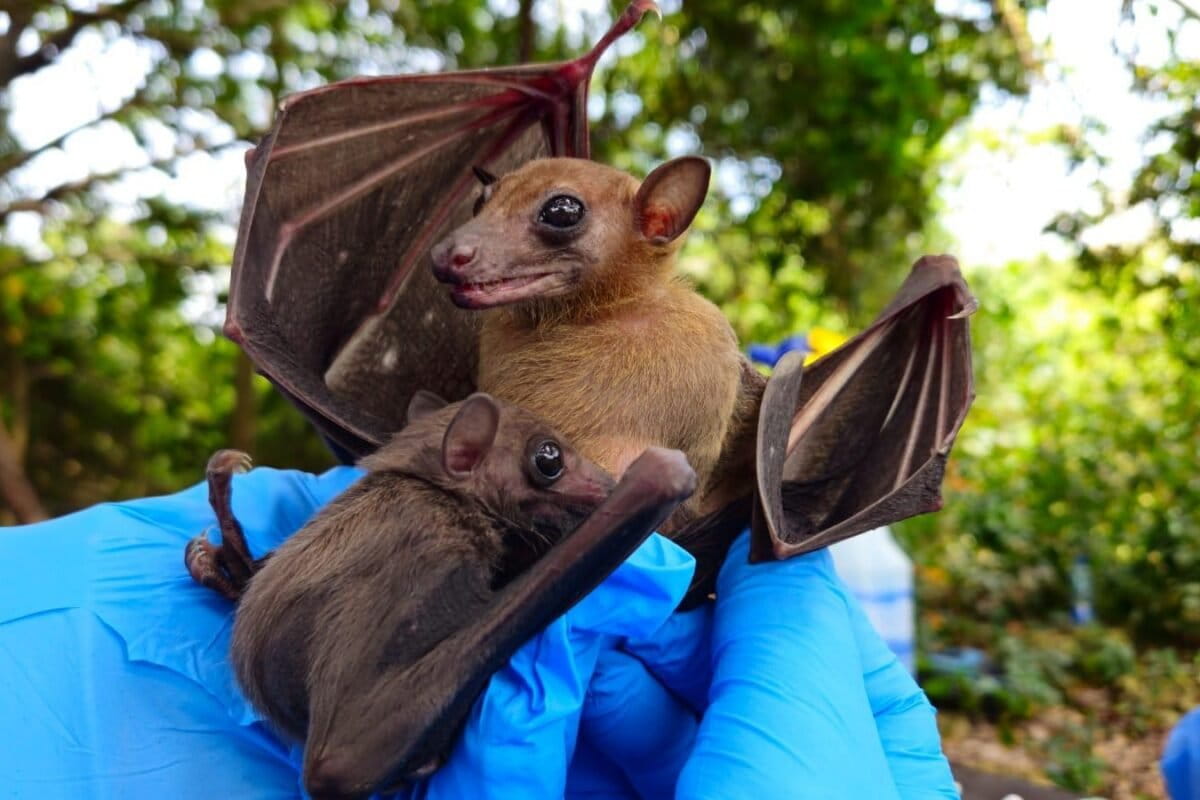
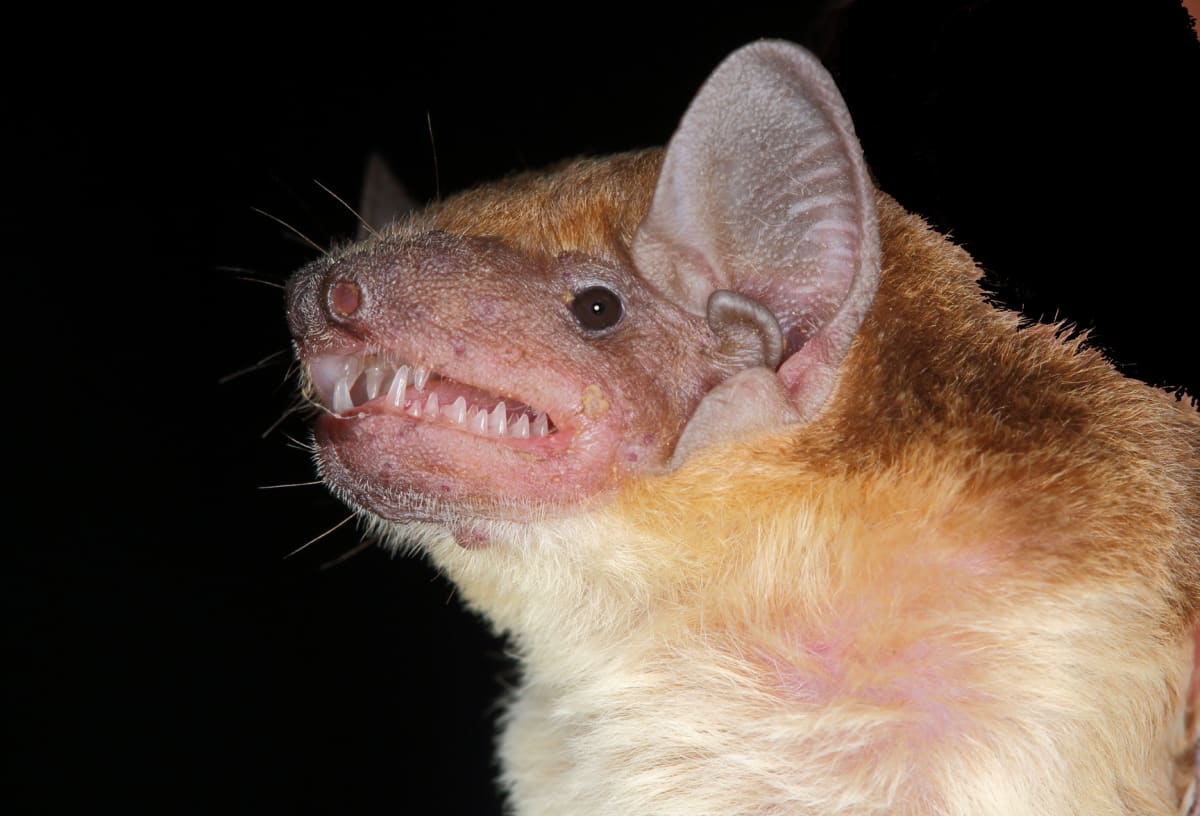
Losing bats means losing essential workers in nature's economy. These mammals consume enormous quantities of insects every night, including agricultural pests and disease-carrying mosquitoes. This natural pest control saves farmers millions of dollars in crop losses and pesticide costs.
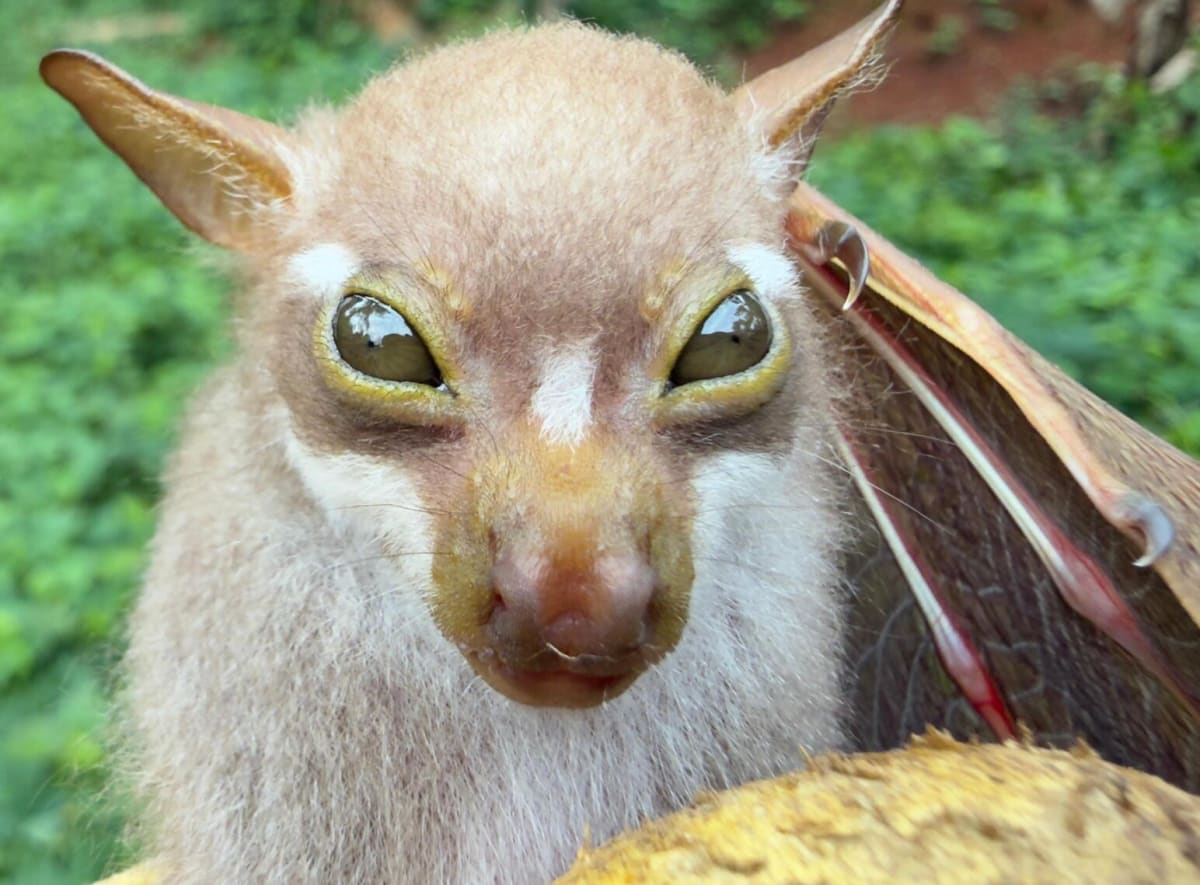
Fruit bats play an equally vital role as seed dispersers and pollinators. They help restore degraded forests and pollinate Africa's iconic baobab trees, often called the continent's "tree of life." Remove bats from the ecosystem, and these critical functions disappear with them.
Why This Inspires
Webala's advocacy shows how science can challenge fear-driven narratives that harm both wildlife and humans. Rather than destroying bat populations, he argues we should focus on the real culprit behind disease spillovers: habitat destruction that forces wildlife and humans into closer contact.
His work earned him recognition beyond research papers. In 2024, a newly discovered species was named in his honor: the Webala's Horseshoe Bat. It's a fitting tribute to someone who has dedicated his career to protecting these misunderstood creatures.
The current Ebola outbreak in the Democratic Republic of Congo involves the Bundibugyo strain, which has no approved vaccines or treatments yet. As scientists work to understand and contain it, Webala's message remains clear: "The solution is not fear."
Standing up for bats means standing up for the science that protects both wildlife and human health.
More Images

Based on reporting by Mongabay
This story was written by BrightWire based on verified news reports.
Spread the positivity!
Share this good news with someone who needs it