Scientists Add 50cm of Ice to Arctic in Bold Experiment
A team in northern Canada just proved we might be able to refreeze melting Arctic ice, thickening test sections by 50cm and keeping them frozen weeks longer. Their simple method using pumped seawater is showing early signs that geoengineering could help save one of Earth's most critical climate systems.
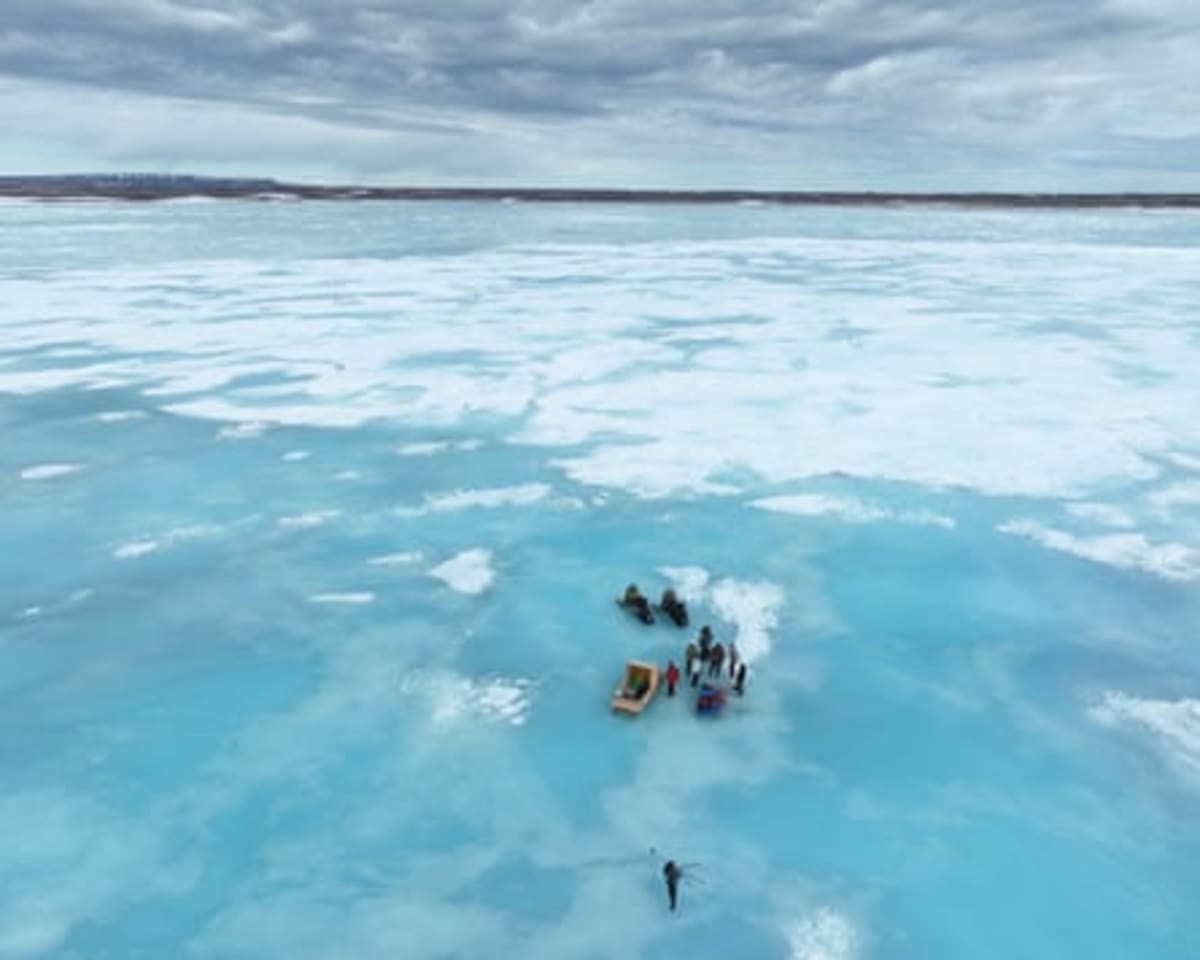
A patch of Arctic ice near Cambridge Bay, Canada is shining bright white while everything around it melts into blue pools, and that difference could change how we fight climate change.
Real Ice, a geoengineering company funded by the UK government, spent the brutal winter pumping seawater onto Arctic ice to make it thicker. Five months later, their test area stands out from space as a white island in a sea of blue meltwater.
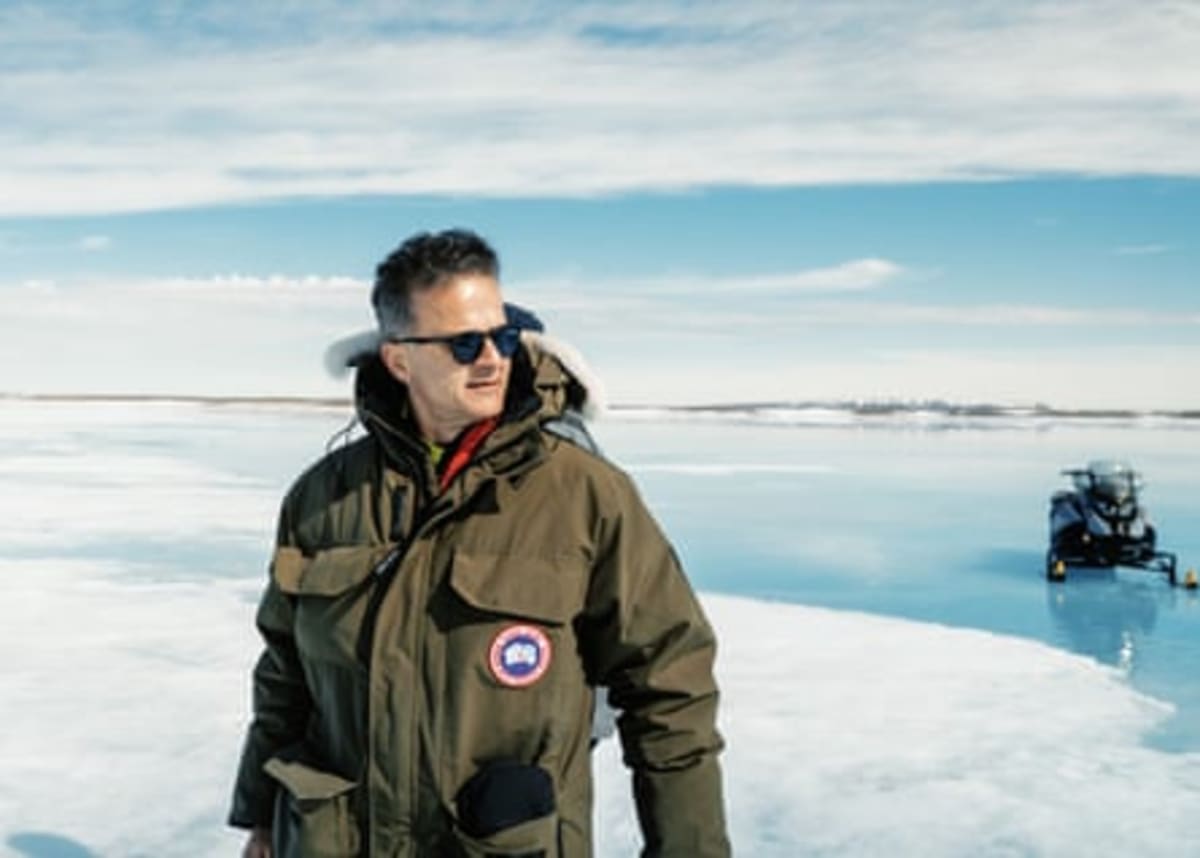
"This would have been a wild dream a year ago," says Andrea Ceccolini, Real Ice's co-chief executive, standing on ice that's holding strong while natural ice around it disappears. The team added 50 centimeters of thickness to ice that was originally 1.5 meters deep.
The process sounds almost too simple to work. In January and February, small pumps requiring less power than a toaster lifted seawater from just below the ice to just above it. The water froze almost instantly in temperatures that dropped to -63°C with wind chill.
Those extra 50 centimeters might add seven to ten days to how long the ice survives, Ceccolini explains. That matters enormously because Arctic summer ice has shrunk by 40% in the last 45 years, and scientists worry it could vanish completely by the 2030s.
The team discovered an unexpected bonus. Their artificial ice reflects more sunlight than natural ice because it traps more air bubbles, making it brighter and more opaque. Ice reflects 70% of the sun's heat back into space, while open ocean reflects just 7%, so every bit of extra reflection helps slow warming.
Independent scientists from the University of Washington are measuring everything at the site to verify the results. Prof. Roger Marchand and polar scientist Melinda Webster spend hours daily testing how reflective and salty the ice is.
The winter work required serious courage. The team braved -40°C temperatures, whiteout conditions where they couldn't see 10 meters ahead, and wildlife hazards from polar bears to arctic foxes chewing through equipment cables. Without their Inuit guides, Ceccolini admits, they wouldn't have known how to get home.
Why This Inspires
Arctic ice loss triggers one of climate change's most dangerous feedback loops. Less ice means more dark ocean exposed, which absorbs more heat, which melts more ice. Breaking this cycle seemed impossible until now.
Real Ice started small, thickening ice over an area roughly 450 meters square. But satellite images showing their work from space prove the concept works at a meaningful scale.
Cambridge Bay locals have noticed the unusual weather too. Temperatures in the bay are over 5°C when they should be between -6°C and 1°C at this time of year. "It's really out of whack," Ceccolini says, standing amid shin-deep meltwater that appeared in just days.
The team keeps refining their approach, pumping later in winter and doing two separate rounds instead of one. Last year they added 30 centimeters; this year they reached 50 centimeters.
A drone circles overhead daily, recording changes down to five-centimeter resolution while the team drills cores and takes temperature readings every two centimeters through the ice. Every measurement brings them closer to understanding if this bold idea could scale up to protect meaningful portions of the Arctic.
What started as a "wild dream" is now visible from space, offering real hope that human ingenuity might help heal what human activity has harmed.
More Images

Based on reporting by Guardian Environment
This story was written by BrightWire based on verified news reports.
Spread the positivity!
Share this good news with someone who needs it