Scientists Bake Bread Using 5,300-Year-Old Iceman Yeast
Researchers discovered living yeast in the gut of Ötzi the Iceman, a mummy frozen for over 5,300 years, and successfully baked sourdough bread with it. The ancient microbes offer a rare window into prehistoric life and could help clean up contaminated environments.
A frozen mummy killed more than 5,300 years ago just helped scientists bake an unexpectedly delicious loaf of bread. When researchers discovered active yeast growing in the gut of Ötzi the Iceman, they did what anyone would do with ancient microbes: they made sourdough.
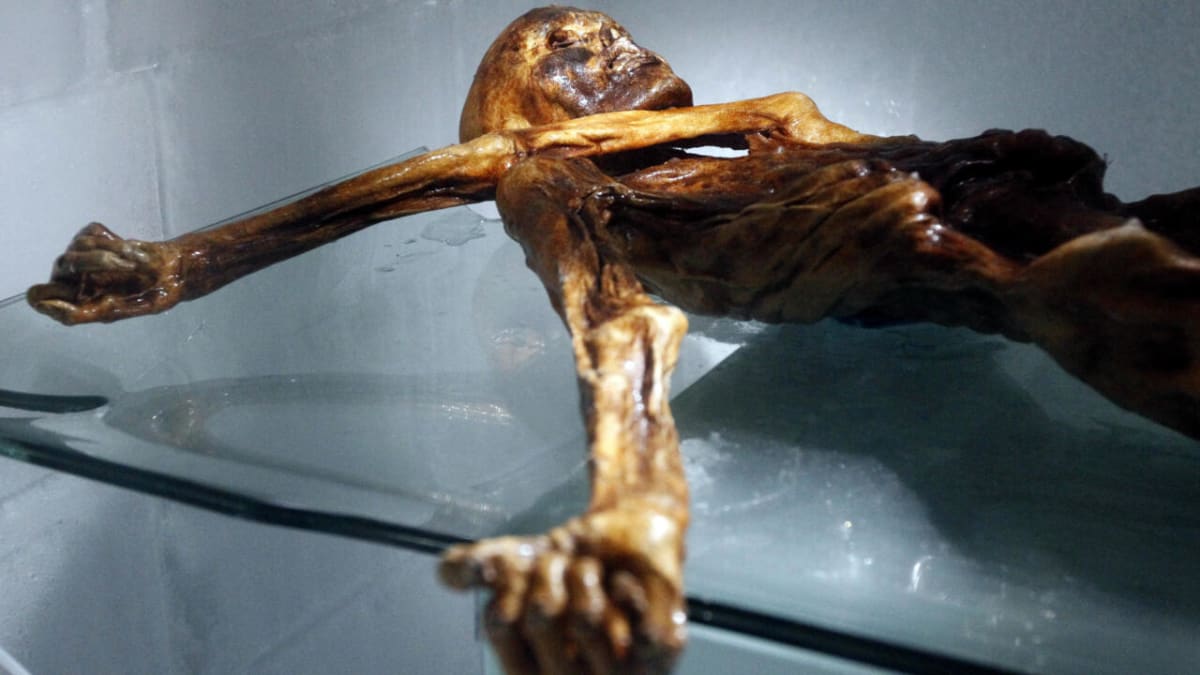
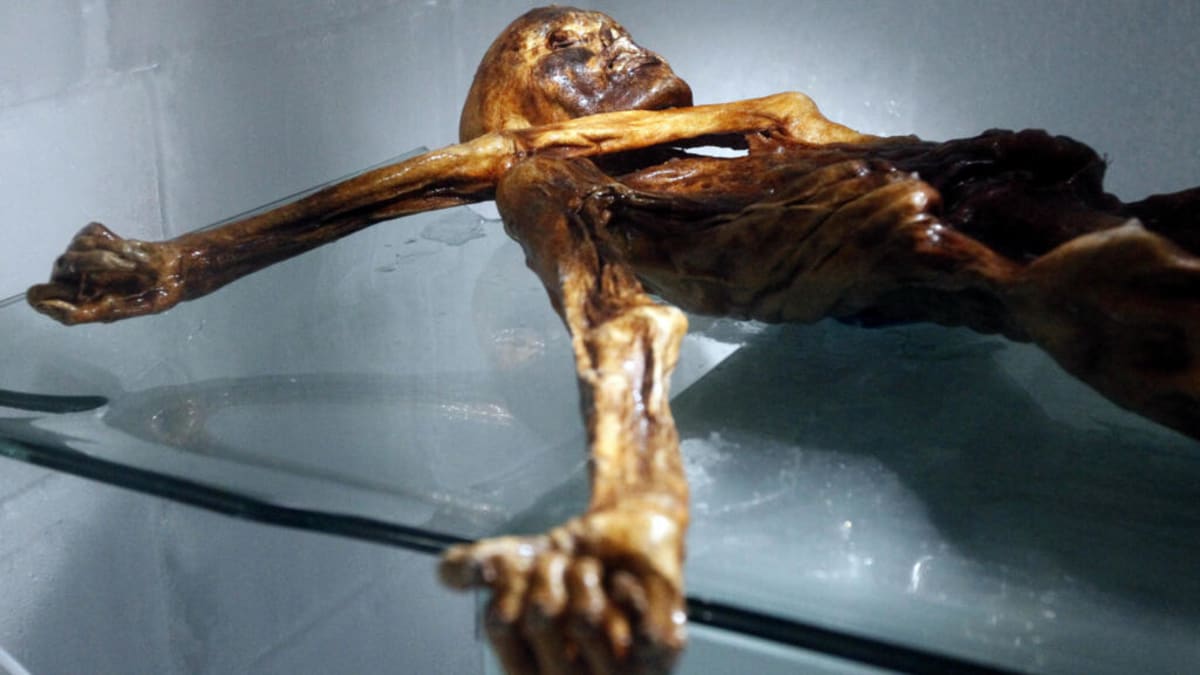
Ötzi died in the Alps between Austria and Italy long before the Egyptian pyramids were built. He remained frozen until hikers stumbled across his mummified remains in 1991 in northern Italy's South Tyrol region.
Since then, scientists have kept Ötzi at minus six degrees Celsius, the same temperature as his icy tomb. This has preserved his body so well that researchers can study an incredibly rare snapshot of ancient human life.
When a team from Italy's Eurac Research institute analyzed Ötzi's microbiome for a study published in the journal Microbiome, they found something unexpected. Four different types of yeast that thrive in freezing temperatures, similar to species found in Antarctica, were actively living in his guts, skin, and the melted water surrounding his body.
Lead researcher Mohamed Sarhan explained these cold-loving yeasts likely entered Ötzi's body shortly after death and have been growing there for millennia. Genetic analysis showed DNA damage levels similar to the original ancient microbes in the Iceman's gut.
The scientists reproduced the yeast in a laboratory fridge. When colleagues heard about the discovery, they immediately asked if the team could make bread with it.
The first attempts failed, but after three months of experimenting, the microbiologists succeeded in baking what Sarhan described with a laugh as "a very, very good sourdough." Beer brewing is now on their list of future projects.
Why This Inspires
Beyond the novelty of ancient bread, this discovery holds real promise for modern challenges. The strange yeast can actually consume phenol, a chemical used to preserve Ötzi when he was first found. This ability means the microbes could help break down phenol in contaminated environments today.
The research also revealed fascinating details about ancient human health. Ötzi's gut contained bacteria almost completely absent from modern industrialized populations but still found among tribes in Africa and South America. These microbes thrive on the fiber and whole grains that Ötzi and other ancient people ate regularly.
The study shows Ötzi isn't just a frozen time capsule but a complex living ecosystem that continues to evolve and surprise us.
Even after 5,300 years in ice, the Iceman still has secrets to share that could help us today.
More Images

Based on reporting by Google News - Scientists Discover
This story was written by BrightWire based on verified news reports.
Spread the positivity!
Share this good news with someone who needs it