Scientists Calculate When Last Drop Drips From Bottle
Two physicists just solved one of life's most relatable mysteries: exactly how long you need to wait for that last drop to drip. Their playful research earned recognition for showing how curiosity about everyday moments can lead to real scientific discoveries.
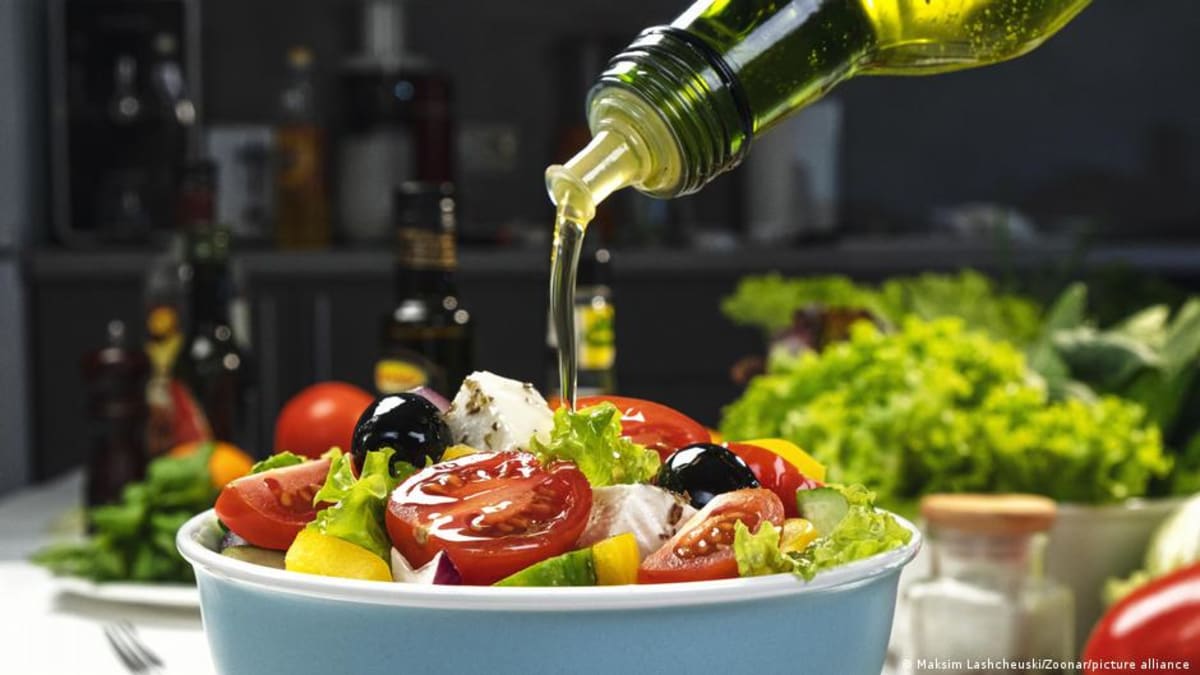
You've been there before, standing in your kitchen with a tilted bottle, watching and waiting for that final drop of olive oil or milk to fall. Now science has your answer.
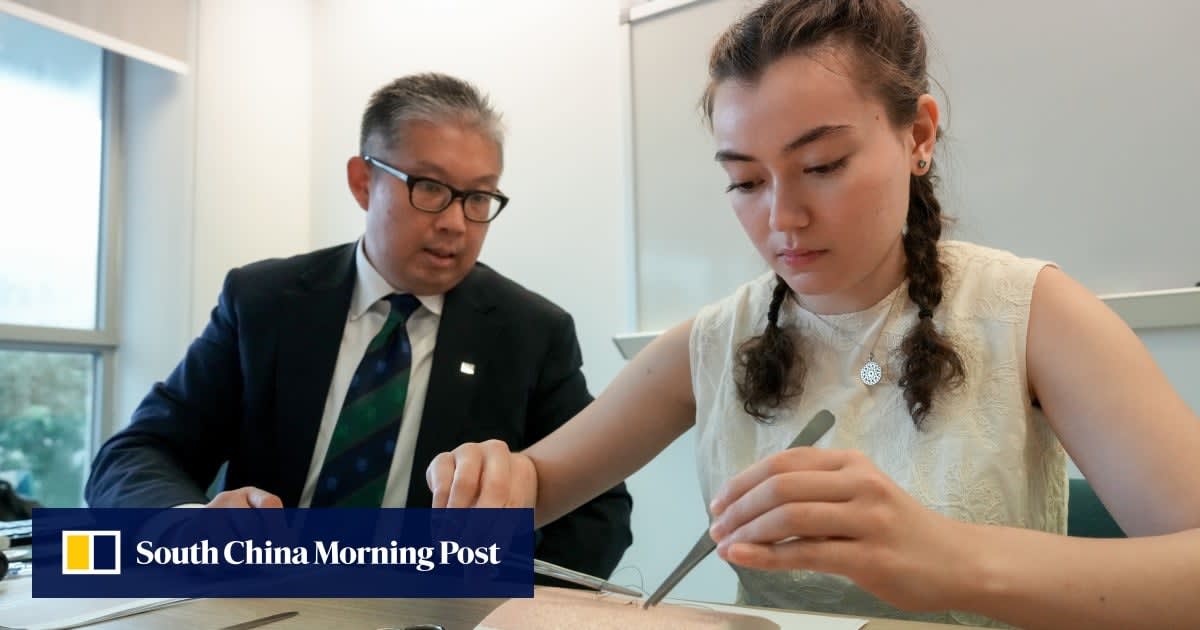
Thomas Dutta and Jay Tang at Brown University decided to solve this everyday puzzle using serious physics. Dutta watched his grandmother struggle with the last drops from bottles, while Tang wondered how long to wait for water to drain from his cast-iron wok after washing it.
Tang doesn't dry his wok because that would remove the protective oil layer that keeps food from sticking. But leaving it wet too long causes rust, so he needed to know the perfect waiting time to collect and pour out the remaining water.
The physicists turned to Navier-Stokes equations, which measure how liquids and gases move. They calculated the required drainage time for different liquids, then tested their predictions by letting them trickle down a plate tilted at 45 degrees.
The results were surprisingly precise. Water drained in just a few seconds. Milk took about 30 seconds for 90% to drain away. Thick olive oil needed more than nine minutes. Cold maple syrup required several hours.
Tang got a reality check when solving his wok problem. "I usually wait only about one or two minutes, but it turns out that I need to be a lot more patient," he said. The calculations showed he needed to wait 15 minutes for 90% of the residual water to collect at the bottom.
Why This Inspires
This research earned attention from the Mario Markus Prize for Ludic Science, a €10,000 award created in Germany to honor playful scientific curiosity. The Latin word ludus means "play," and the prize celebrates scientists who explore quirky questions with genuine wonder.
History shows that playful experimentation often leads to world-changing discoveries. Alexander Fleming only discovered penicillin because mold spores accidentally landed on his bacterial cultures. Charles Goodyear accidentally created vulcanized rubber by dripping a mixture onto a hot stove. A kindergarten teacher named Kay Zufall turned wallpaper cleaner into Play-Doh.
Tang usually researches how bacteria move and spread across wet surfaces, work that requires deep knowledge of fluid mechanics. He chose this everyday dripping problem to help his student Dutta understand complex concepts through familiar experiences.
The research shows that the most ordinary moments in our lives contain fascinating physics worth understanding.
Based on reporting by DW News
This story was written by BrightWire based on verified news reports.
Spread the positivity!
Share this good news with someone who needs it