Scientists Camp on Thwaites Glacier to Study Sea Rise
A team of researchers spent a week living on Antarctica's Thwaites Glacier, preparing to drill half a mile into the ice to study how warming oceans affect sea levels. Despite harsh winds and endless snow shoveling, the team stayed hopeful and connected through Starlink internet while waiting for their chance to collect groundbreaking climate data.
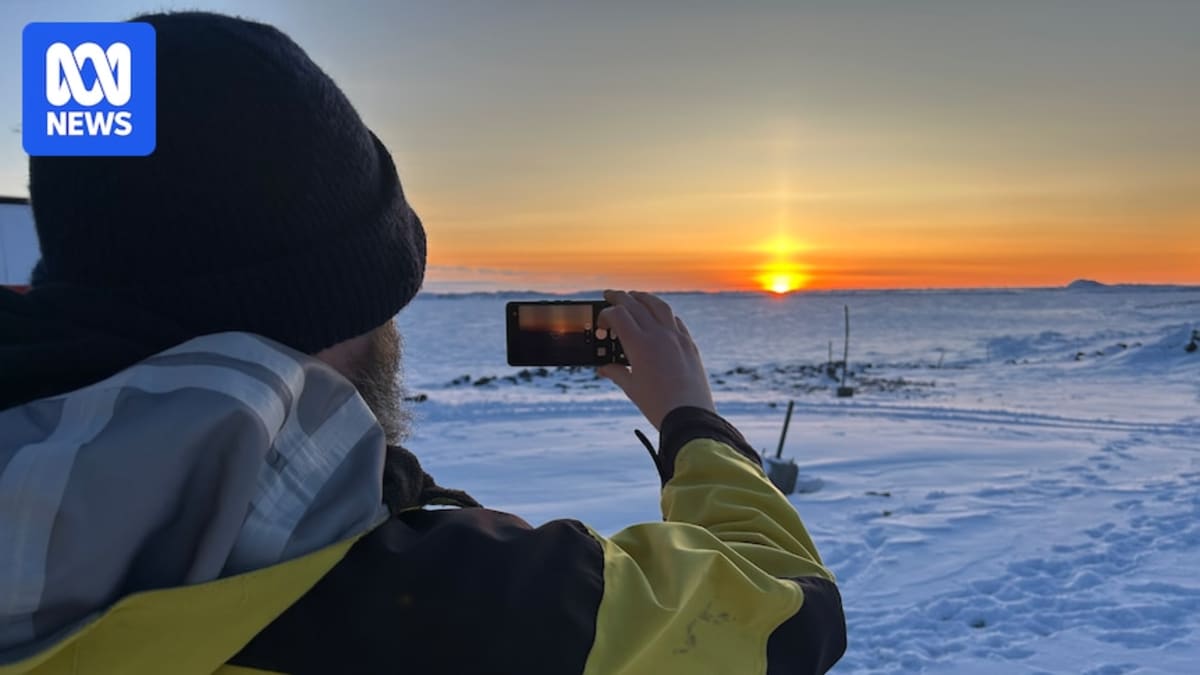
After a week of camping on one of Antarctica's most remote glaciers, a team of scientists was finally ready to drill through half a mile of ice to study how our oceans are changing.
The British and South Korean researchers made camp on Thwaites Glacier as part of an eight-week expedition. Their goal was to lower instruments through the ice into the ocean below, gathering data never collected before about how warming water melts glaciers from underneath.
But Mother Nature had other plans. Fierce winds kept whipping around their campsite, threatening to freeze their drill equipment or bury it in snowdrifts. The team needed calmer weather to spend the 60-plus hours required to bore the hole and install their instruments.
"We've come this far," said Peter Davis, an oceanographer at the British Antarctic Survey. "It would be annoying if we failed at the last hurdle, just for the sake of a day."
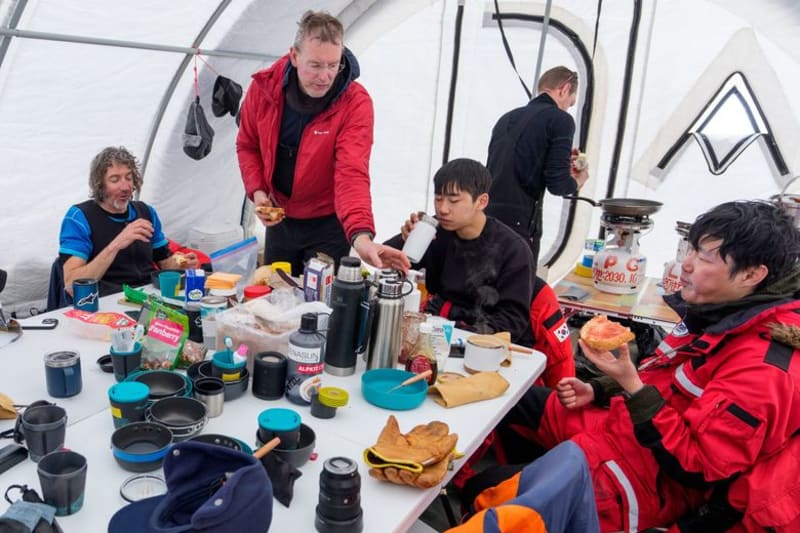
While waiting, the team stuck to a comforting routine. They worked from 8 a.m. to 6 p.m., breaking for lunch and tea. Dinner happened around 6 or 7 p.m. in the mess tent, followed by planning sessions before everyone crawled into their sleeping tents.
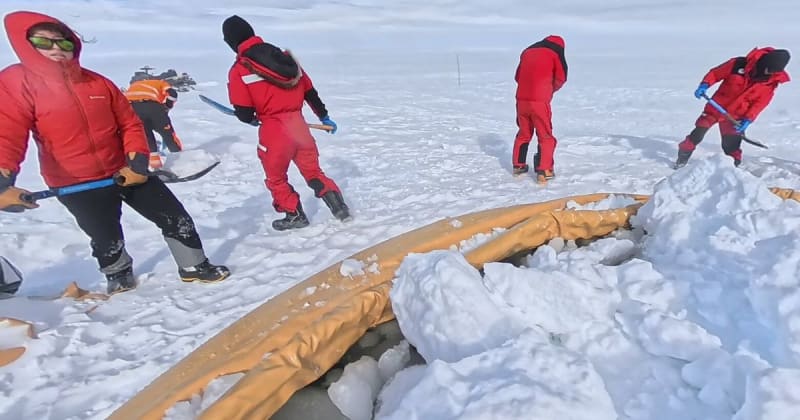
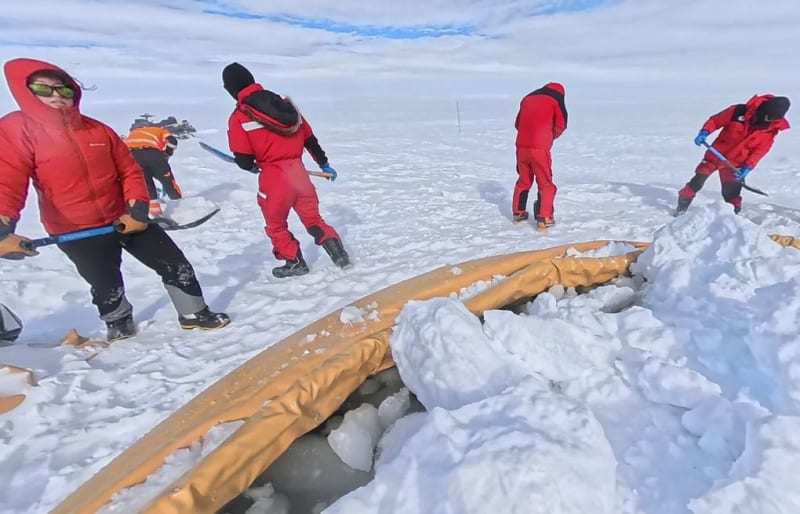
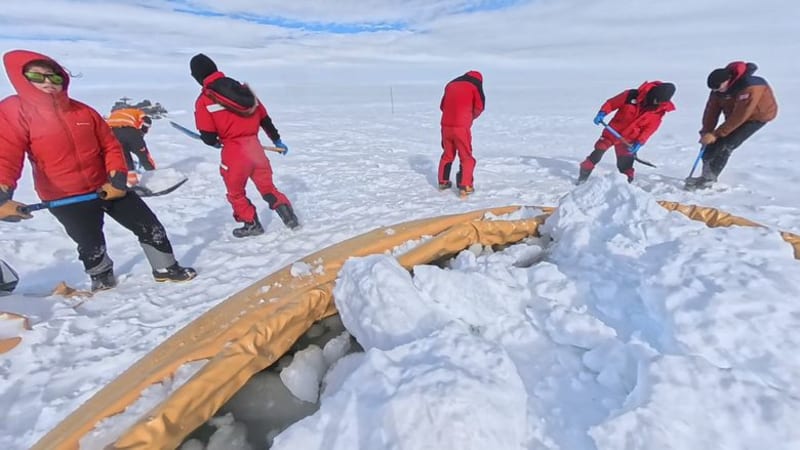
The work itself involved plenty of unglamorous tasks. Everyone spent hours shoveling snow to clear tents and equipment, and to gather water needed to start the drilling process.
At 23 years old, engineer Seunghwan Oh was the team's youngest member. During a shoveling break, he joked with an uneasy laugh: "Save me from this hell. Please, take me to the Araon," referring to their icebreaker ship waiting offshore.
Why This Inspires
What kept spirits high wasn't just the important mission. The team had something previous Antarctic expeditions lacked: fast Starlink satellite internet. Scientists could video chat with family back home and easily coordinate with crew members on the ship.
During tea breaks, the group gathered in their unheated mess tent for freshly baked bread with strawberry jam and aged cheddar. Safety guide Taff Raymond ran the bread machine, filling the tent with wonderful smells that made the frozen wilderness feel a bit more like home.
Chief scientist Won Sang Lee said maintaining routine helped everyone cope with the extreme environment. Despite concerns that good internet would make people antisocial, the team still chatted and connected during breaks, only occasionally scrolling through news from home.
The expedition had a hard deadline. The Araon needed to begin its return journey to New Zealand by February 7, whether the drilling succeeded or not. But the team remained optimistic about completing their work and gathering data that could help us better understand rising sea levels.
Even in one of Earth's harshest places, human determination and small comforts like fresh bread and hot tea prove that hope and progress go hand in hand.
More Images
Based on reporting by Google News - Science
This story was written by BrightWire based on verified news reports.
Spread the positivity!
Share this good news with someone who needs it