Scientists Capture Stunning Images of Conservation Wins
Researchers guiding extinct birds back to Europe and tracking whale sharks won Nature's photography contest. Their stunning images prove that saving the planet can be breathtaking work.
Imagine flying an ultralight aircraft across 1,700 miles with 36 endangered birds following behind you, trusting you to teach them a migration route their species forgot 400 years ago.
That's exactly what happened last fall when conservation group Waldrappteam guided northern bald ibises from Germany to Spain. The birds vanished from Europe centuries ago due to overhunting, but scientists discovered survivors in Syria and Morocco and brought them back.
Now researchers are literally teaching these mohawk-crested birds how to migrate again by flying ahead of them in small aircraft. After 50 days of guiding exhausted ibises across three countries, photographer Gunnar Hartmann captured the moment 19 birds soared over golden Spanish highlands, following their human guides to safety.
That photograph just won Nature journal's Scientists at Work competition, announced Wednesday. The image shows the yellow-parachuted aircraft below a flock of wings, a scene Hartmann calls "romantic" after living inside the conservation bubble for nearly two months.
"We were struggling to motivate the birds to follow," recalls Hartmann, a biogeoscience student at the University of Koblenz. But when the tired ibises finally launched themselves into the air that cool, rosemary-scented morning in Andalusia, he knew he had something special.
The Ripple Effect
Other winning images reveal scientists doing equally remarkable work underwater and on lakes. Allen Tian captured an algal bloom in Ontario's Dog Lake that looks like impressionist art from above, swirling chartreuse patterns created by wind, currents, and living things. His team studies how to predict these blooms that harm local wildlife.
Off western Australia, marine biologist Michael Doane dove alongside a wild whale shark to sample the microbes living on its skin. The research reveals how these elusive giants adapt to climate change and human pressures.
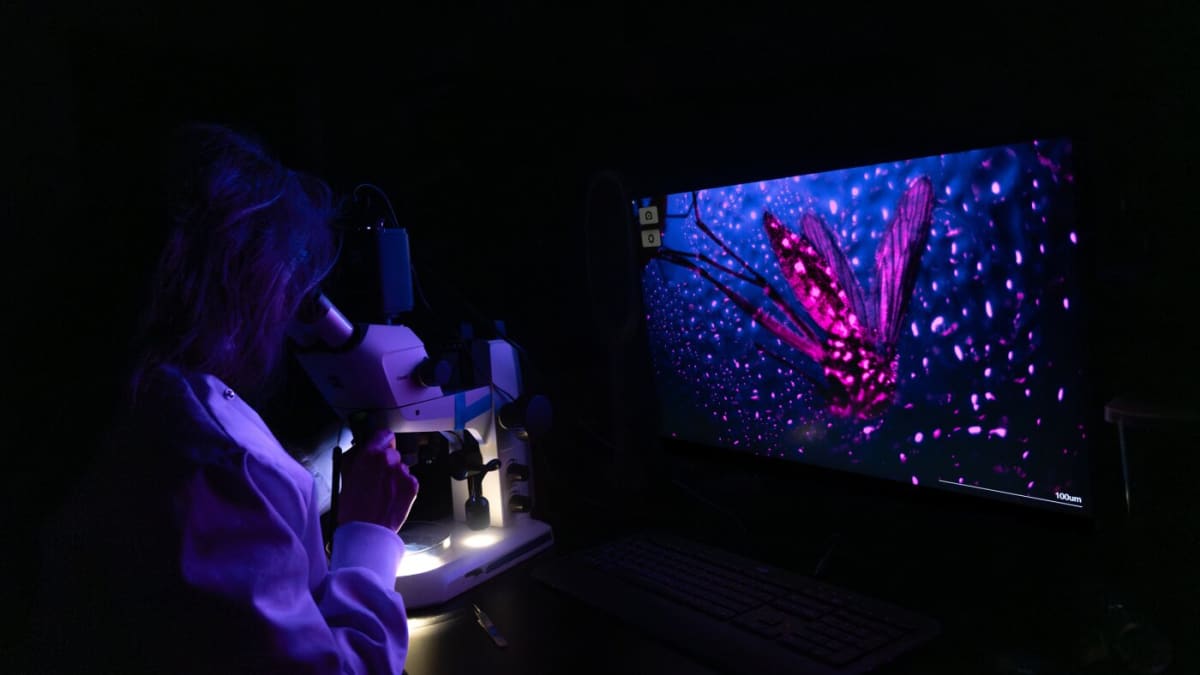
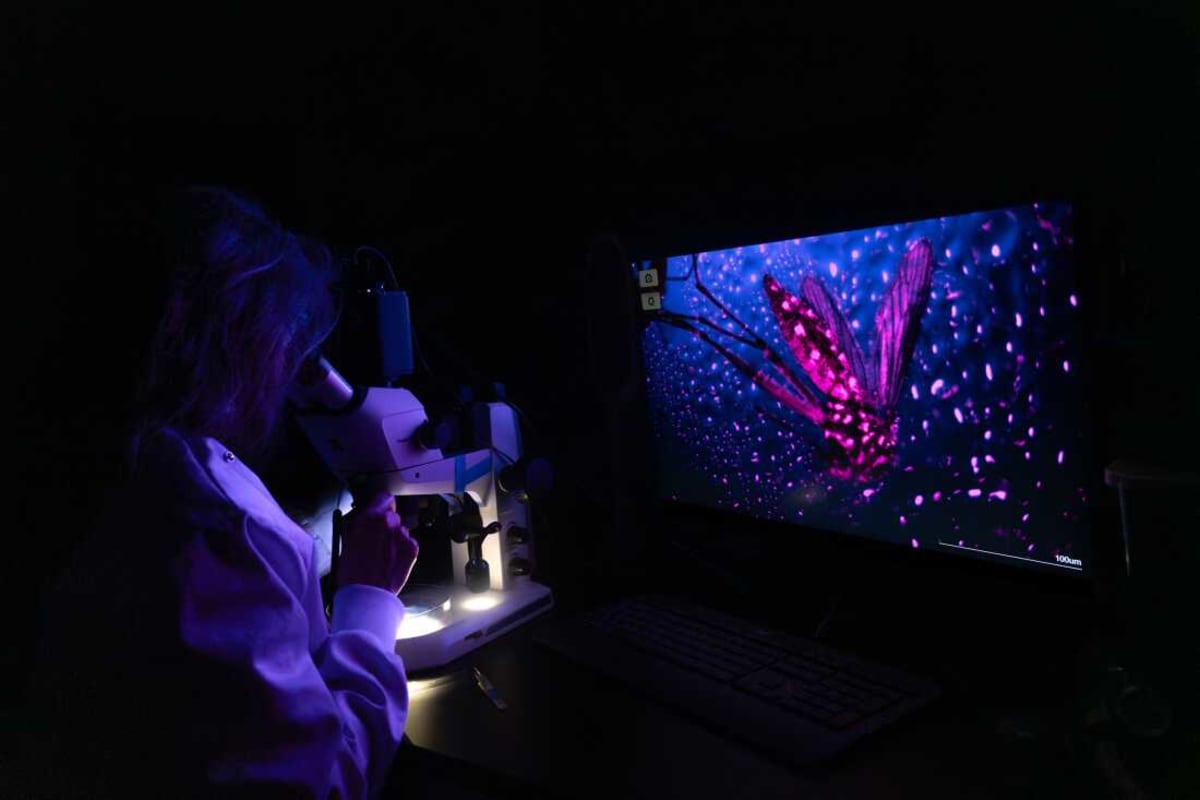
Lee Haines of Notre Dame photographed mosquitoes under a microscope in an image she describes as "traveling through space." Even the smallest creatures deserve our scientific attention, these images suggest.
Each photograph celebrates researchers choosing hope over despair, working daily to understand and protect the natural world. The northern bald ibises now know their ancient path home again, guided by people who refused to accept extinction as final.
More Images


Based on reporting by NPR Science
This story was written by BrightWire based on verified news reports.
Spread the positivity!
Share this good news with someone who needs it


