Scientists Chase Jet to Cut Aviation's Climate Impact
Researchers flew directly behind a commercial airliner at 30,000 feet to study contrails and discovered cleaner jet engines can actually reduce these climate-warming clouds. The breakthrough could help airlines shrink their environmental footprint without grounding flights.
Scientists just pulled off an incredible mid-air experiment that could help solve one of aviation's biggest climate problems.
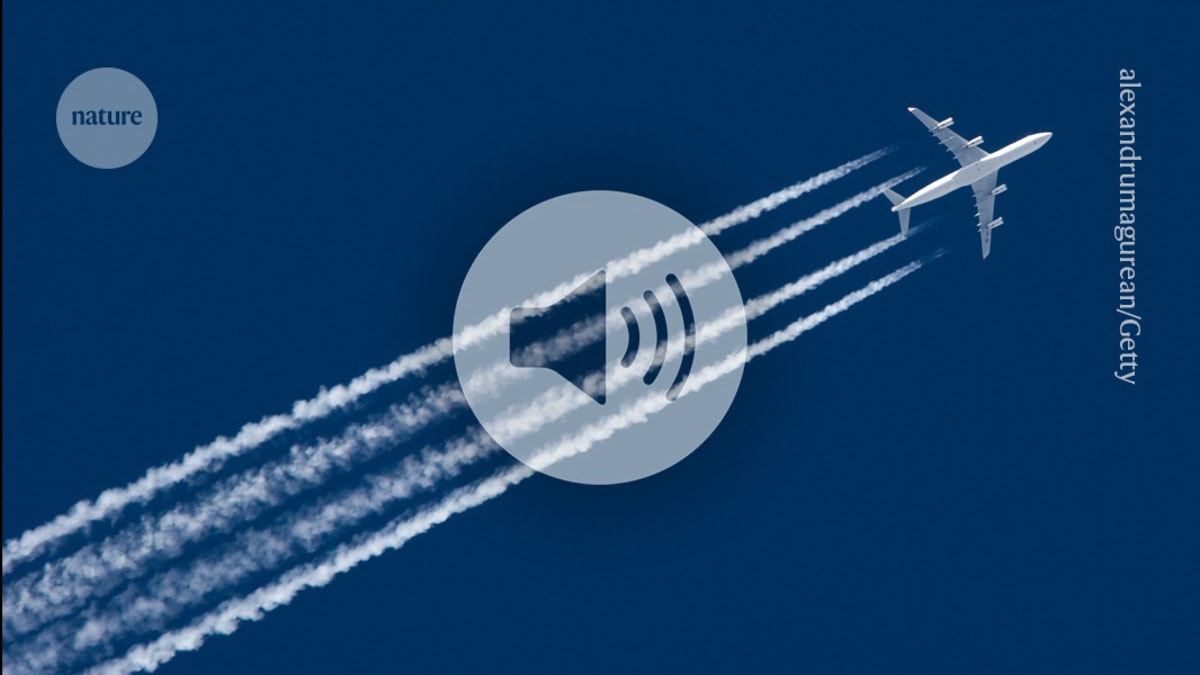
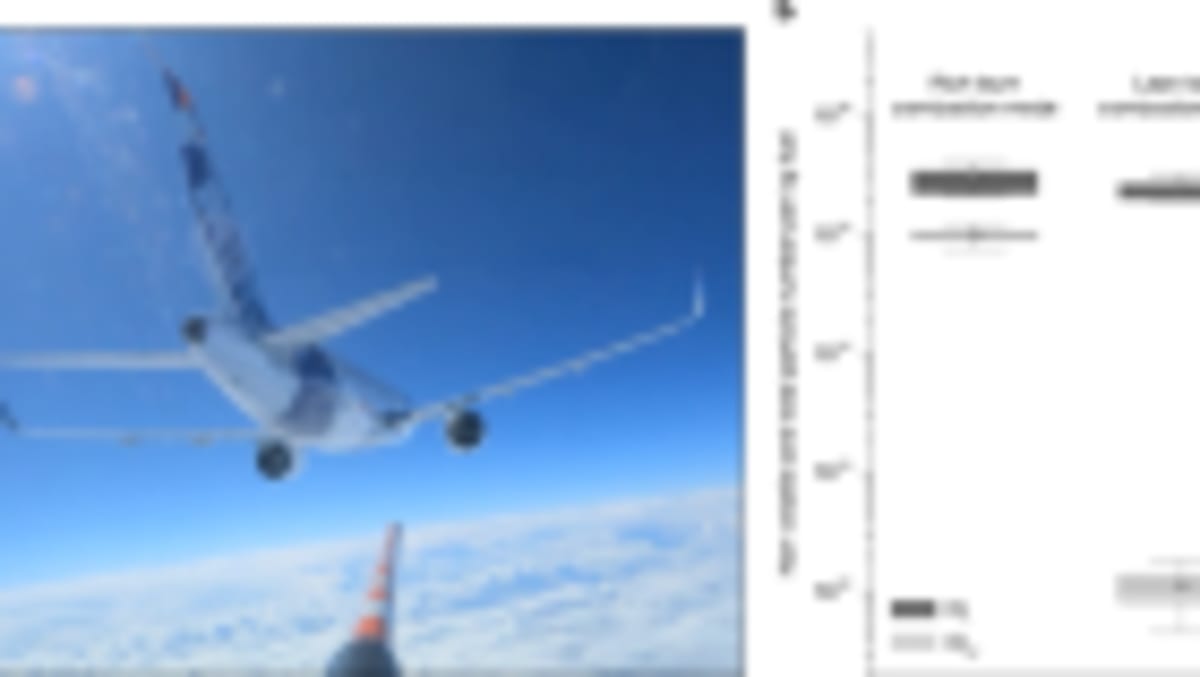
A team of researchers literally chased a passenger jet through the sky, flying close enough to sample the contrails streaming behind it. They wanted to understand how newer, more efficient engines affect those white trails you see crisscrossing the sky.
Here's why it matters: contrails trap heat in our atmosphere, and scientists estimate they contribute as much to climate warming as all the carbon dioxide planes have ever emitted. That makes them a huge but often overlooked piece of the climate puzzle.
The team studied "lean-burn" engines, which are designed to use less fuel and produce fewer emissions. Flying at 30,000 feet, they collected data directly from the contrails these modern engines create.
What they found surprised everyone. The cleaner engines actually produce contrails that form differently than older, dirtier engines. Understanding this difference gives engineers crucial information for designing aircraft that leave a smaller climate footprint.
The research required precise coordination. The chase plane had to maintain exactly the right distance behind the commercial aircraft, staying close enough to sample fresh contrails but far enough to fly safely.
The Ripple Effect
This discovery opens doors for the entire aviation industry. Airlines are already investing billions in fuel-efficient aircraft, and now they know these upgrades deliver climate benefits beyond just burning less fuel.
The findings could influence how future planes are designed. Engineers now have real-world data about how engine efficiency affects contrail formation, giving them another tool to reduce aviation's environmental impact.
Some airlines are already testing flight paths that avoid conditions where contrails form most easily. Combined with cleaner engines, these strategies could dramatically reduce aviation's warming effect without requiring passengers to fly less.
The research also demonstrates how creative scientific approaches can tackle complex climate challenges. Sometimes solving big problems requires thinking outside the box and, in this case, flying inside the clouds.
Aviation accounts for about 2.5% of global carbon emissions, but when you add contrails, the industry's total climate impact roughly doubles. Any progress on reducing that footprint matters for everyone who cares about climate change.
The next step is testing these findings across different weather conditions and flight routes. Researchers want to build a complete picture of how modern engines perform in various scenarios.
This breakthrough shows that technology and sustainability can work together, giving us hope that we can tackle climate change without sacrificing the connections that make our world smaller and more accessible.
More Images



Based on reporting by Nature News
This story was written by BrightWire based on verified news reports.
Spread the positivity!
Share this good news with someone who needs it