Scientists Chase Mystery Light Patterns During Solar Eclipses
Racing shadows have puzzled eclipse watchers for centuries, and new research is finally cracking the code. Student teams are using balloons and detectors to solve one of astronomy's most beautiful mysteries.
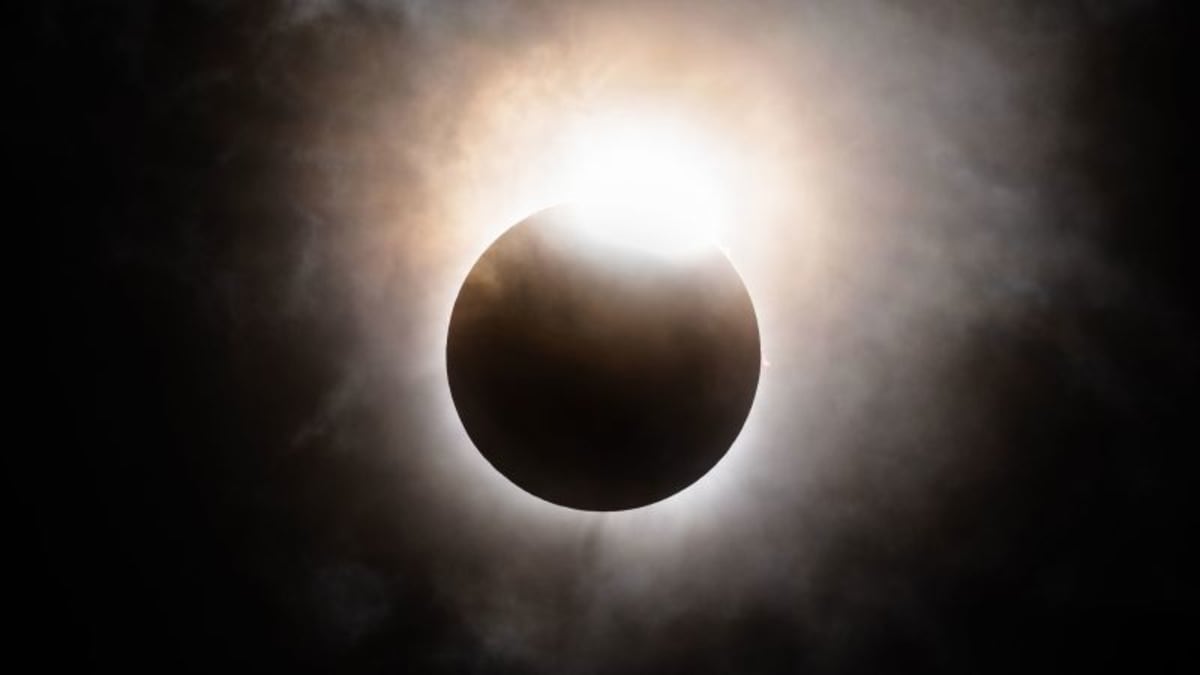
For centuries, people watching total solar eclipses have spotted something strange: rippling bands of light and shadow racing across the ground just before darkness falls.
David Turnshek was 14 when he first saw these mysterious "shadow bands" near Virginia Beach in 1970. He had built his own telescope and traveled to photograph the eclipse, when he noticed waves of light sweeping across the ground.
"I noticed right before the total eclipse, these bands of light were sweeping across the ground," said Turnshek, now a physics professor at the University of Pittsburgh. That teenage curiosity never left him.
Shadow bands are easy to see with human eyes but nearly impossible to photograph because the contrast is so subtle. The phenomenon has stumped scientists for decades, with two competing theories but no clear answer.
In 2017, Turnshek secured NASA funding and assembled a team of undergraduate students who called themselves the "Pitt shadow bandits." Their mission during the coast-to-coast eclipse: test the leading theory that atmospheric turbulence causes the bands.
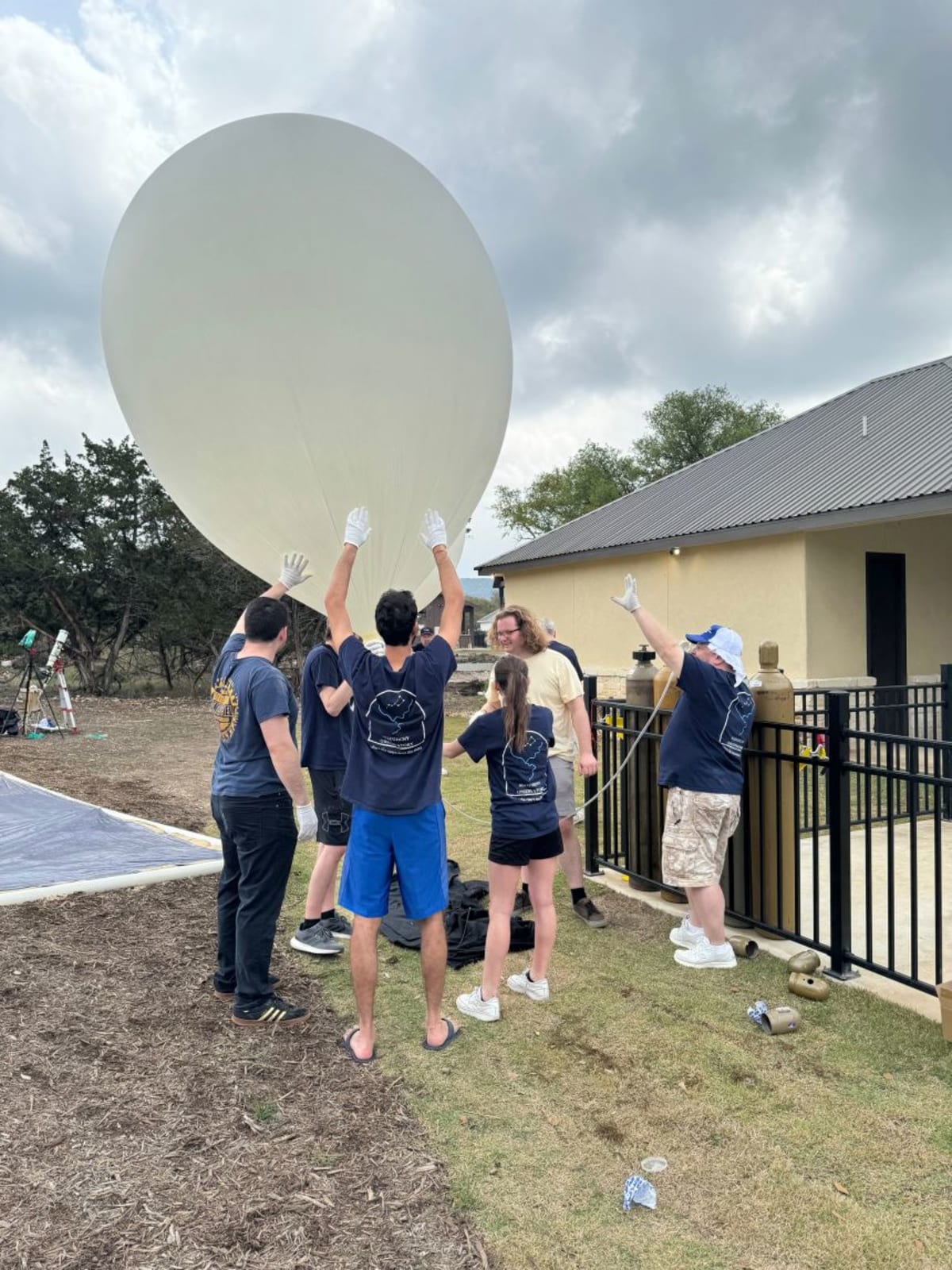
The students placed light detectors on the ground and aboard a high-altitude balloon floating 15 miles up. If turbulence was the cause, they would see shadow bands on the ground but not above the atmosphere.
The results surprised everyone. Both detectors found the same signal, meaning atmospheric turbulence wasn't the only explanation.
The findings pointed to another possibility: diffraction-interference, where light waves bend around the moon's edge like they do around a knife blade. This bending creates patterns of bright and dark bands.
In April 2024, Turnshek took another student team to Texas during the total eclipse. They wanted to confirm their discovery and dig deeper into the mystery.
Why This Inspires
These student researchers are proving that some of nature's most beautiful puzzles are still waiting to be solved. A question that captivated a 14-year-old telescope builder has become a NASA-funded research project, with young scientists carrying the torch forward.
Their work shows that wonder and curiosity can last a lifetime. The next eclipse passing through Russia, Greenland, Iceland, Spain and Portugal this Wednesday gives scientists another chance to study these dancing shadows.
Sometimes the most magical mysteries are hiding in plain sight, waiting for someone curious enough to look up.
More Images

Based on reporting by Google News - Science
This story was written by BrightWire based on verified news reports.
Spread the positivity!
Share this good news with someone who needs it