Scientists Chased Eclipse in Concorde for 74 Minutes
In 1973, eight scientists flew a supersonic Concorde jet at twice the speed of sound to chase the moon's shadow across Africa, observing a total solar eclipse for 74 minutes instead of the usual seven. Their record-breaking flight opened new windows into studying the sun's mysterious corona.
Imagine racing the moon's shadow at 1,300 miles per hour, turning seven minutes of darkness into more than an hour of scientific wonder.
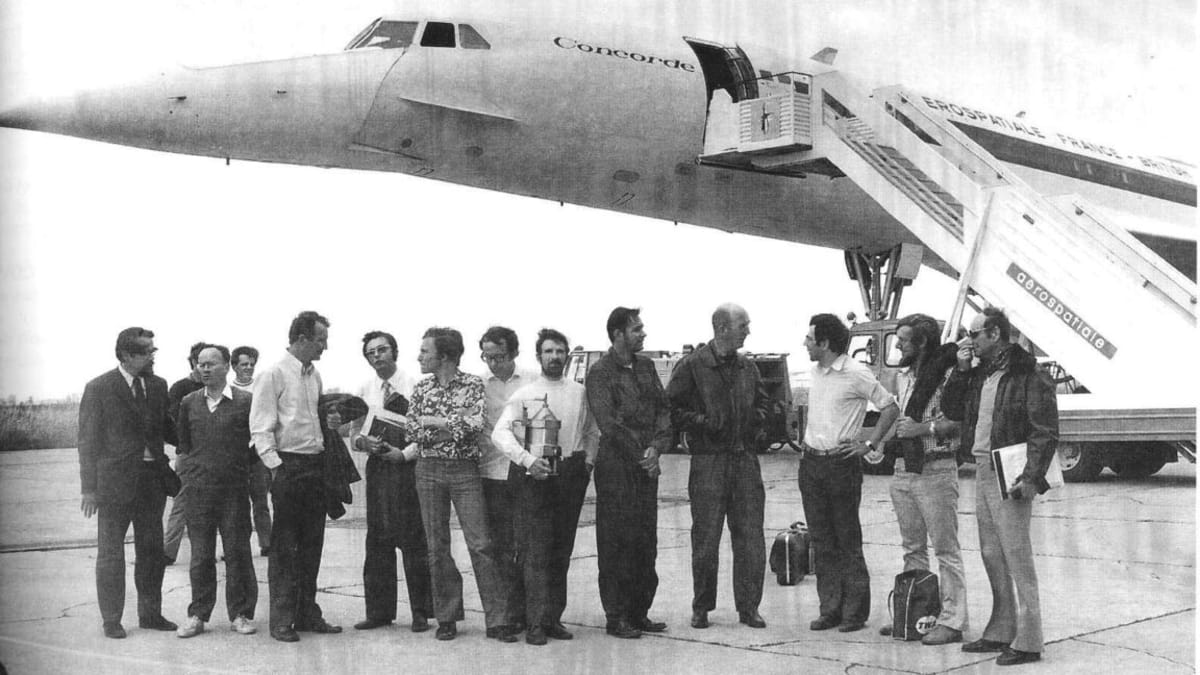
That's exactly what eight brave scientists did on June 30, 1973, when they climbed aboard the Concorde 001 prototype and chased a total solar eclipse across Africa. Their mission turned what would normally be a fleeting moment into a groundbreaking 74-minute observation that still holds the record today.
The wild idea came from Pierre Léna, an astronomer at the Paris Observatory. In 1972, he realized something incredible: the June 1973 eclipse would pass near the equator, where the moon's shadow moves slower. There was only one aircraft on Earth fast enough to keep pace: the newly developed Concorde supersonic jet.
Léna approached André Turcat, the chief test pilot at Aerospatiale, with his ambitious proposal. Turcat didn't dismiss the scientist as crazy. Instead, he said yes.
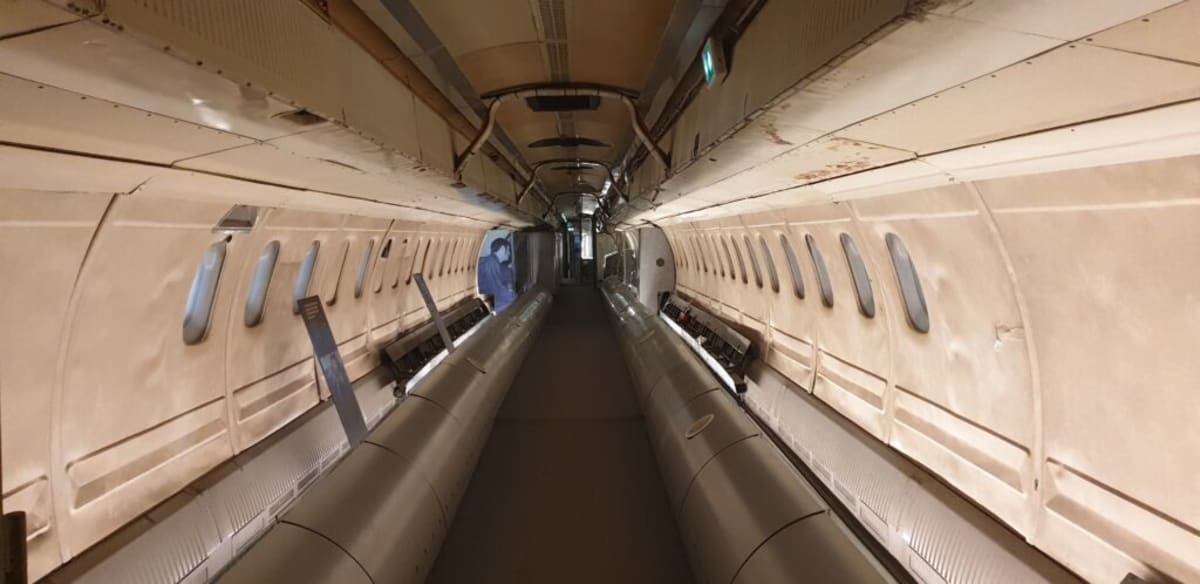
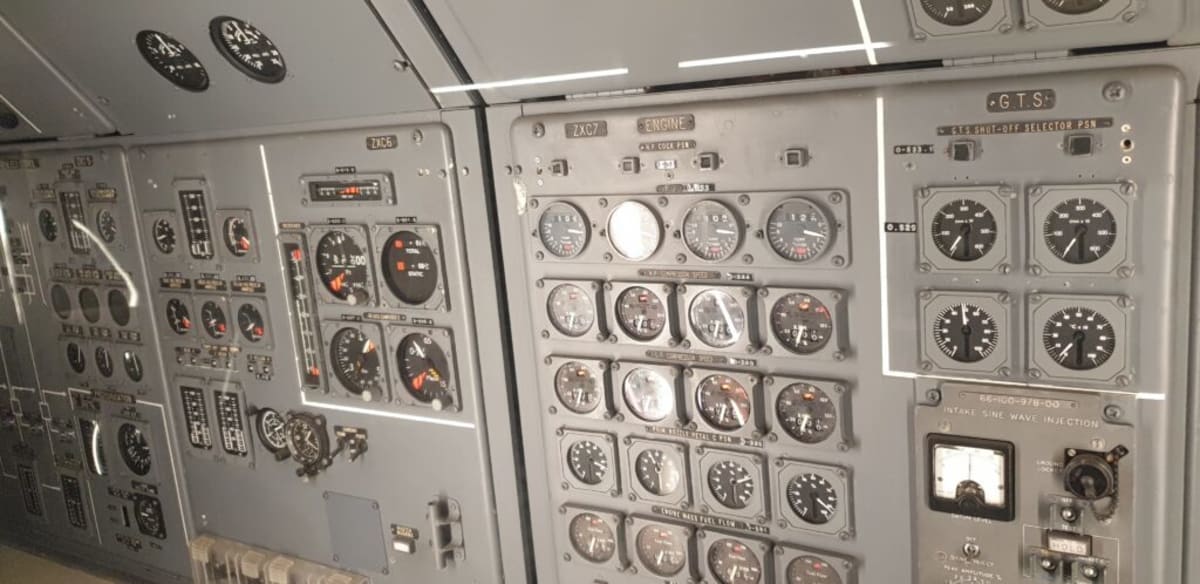
The team modified the Concorde prototype by cutting four special portholes into the ceiling. Scientists from France, the United Kingdom, and the United States brought instruments to study the sun's corona, the mysterious outer atmosphere only visible during total eclipses. Flying at 56,000 feet meant no humidity and crystal-clear views in infrared wavelengths.
After two rehearsal flights, the team took off from Las Palmas in the Canary Islands. As they soared through the stratosphere at Mach 2, they stayed perfectly positioned in the moon's shadow, studying the corona's hot gases, dust particles, and oscillations.
Why This Inspires
This story reminds us that the impossible becomes possible when curiosity meets courage. Léna didn't accept the seven-minute limit that nature imposed. Instead, he asked "what if?" and found people willing to help him answer that question.
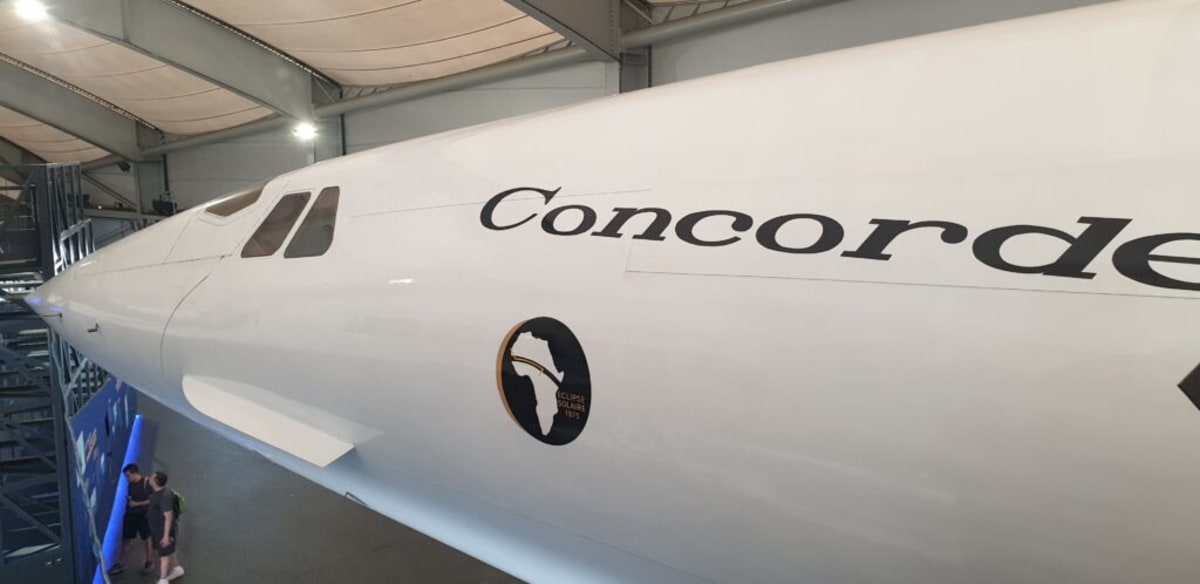
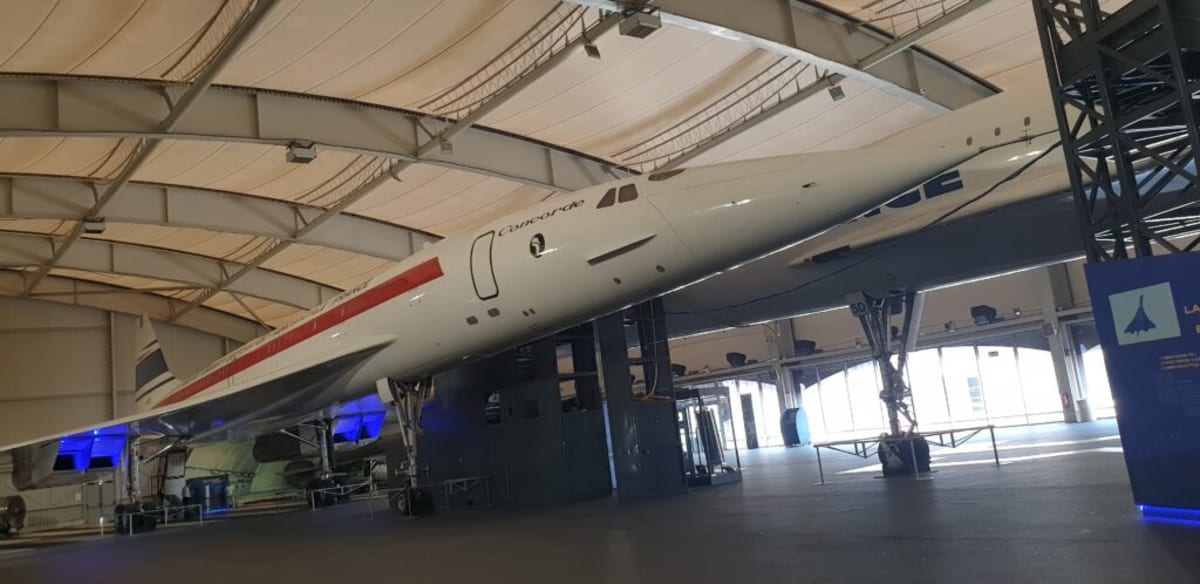
The Concorde 001 prototype now sits in France's National Air and Space Museum with a map of Africa painted on its nose, tracing that historic flight path. Those four portholes in the ceiling still remain, silent witnesses to humanity's creative spirit.
Their work expanded our understanding of the sun's corona and proved that sometimes the best way to study nature is to refuse to stand still. When the next total eclipse crosses your path, remember: we're the species that races the moon.
More Images
Based on reporting by Ars Technica Science
This story was written by BrightWire based on verified news reports.
Spread the positivity!
Share this good news with someone who needs it