Scientists Clear Solar Panels in Massachusetts Cranberry Bogs
After a year of research, scientists found no evidence that solar panels are leaching harmful forever chemicals into Massachusetts cranberry bogs. The study brings clarity to farmers and communities who worried about water safety near 400 acres of solar arrays.
For the first time, scientists have good news for the cranberry farmers of southeastern Massachusetts who've watched solar panels rise above their century-old bogs.
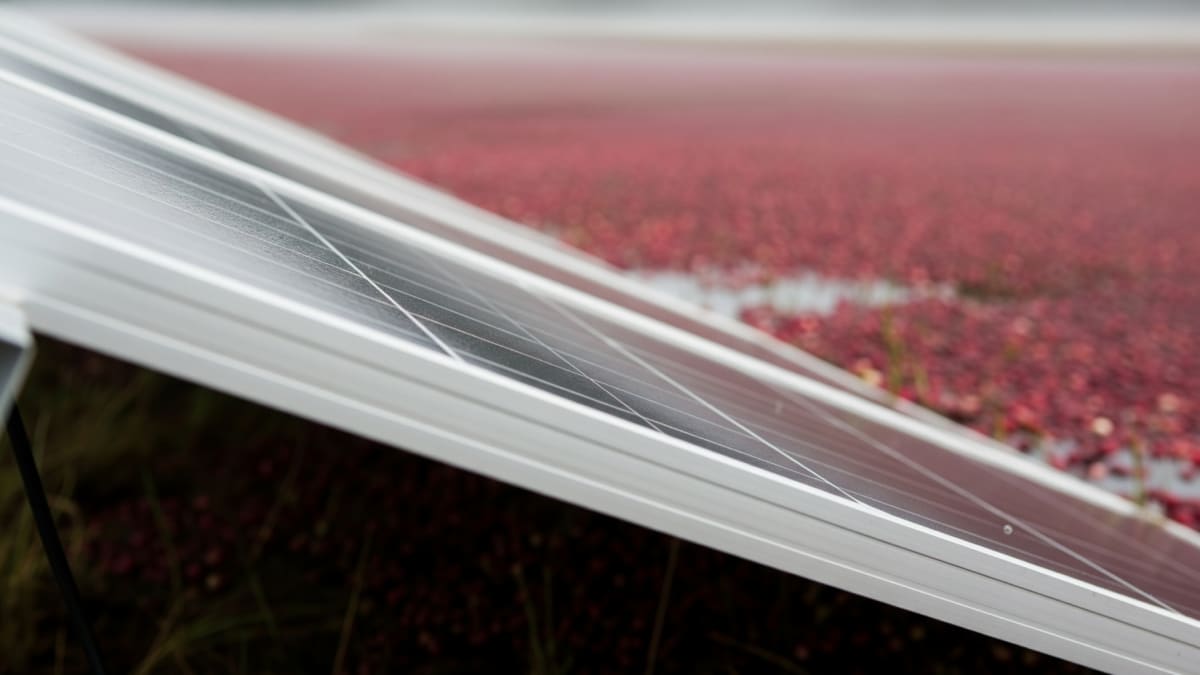
After spending a year investigating whether solar panels were leaching PFAS (forever chemicals) into the water below, researchers from Michigan State University and Oak Ridge National Laboratory found no confirmed evidence of contamination from commercially deployed solar modules. The April 2026 study examined the thin plastic backsheets on solar panels that sit just feet above the Weweantic River and surrounding wetlands.
The question mattered because some solar panel backsheets use fluoropolymers, chemical cousins of PFAS, to protect electronics from decades of weather. When communities near Carver and Wareham saw 400 acres of solar arrays installed near their water supply, they wanted answers about what might be washing into the groundwater below.
The problem was that nobody could give them a clear answer. Manufacturers kept backsheet ingredients proprietary, and 54 percent of surveyed experts flagged the component as a concern. Local conservation boards started asking harder questions, but the solar industry couldn't provide transparent information about what was actually in their panels.
The new research changed that conversation entirely. While the study confirmed that fluoropolymers exist in some older panel designs, it found no evidence they're causing environmental harm. The researchers carefully distinguished between different chemical types that had been lumped together, clearing up confusion that had worried communities for years.
Even better, the solar industry is already moving in the right direction. Newer panels increasingly use glass on both sides instead of plastic backsheets, eliminating the concern altogether. Companies are also switching to PFAS substitutes in components across the board.
Why This Inspires
This story shows what happens when communities ask tough questions and scientists take the time to find real answers. Instead of shutting down clean energy projects out of fear, Massachusetts farmers and researchers worked together to understand the actual risks.
The transparency the study calls for is already starting to happen. As the EPA prepares new solar panel regulations for 2026, manufacturers are being pushed toward clearer ingredient disclosure. That means future communities won't have to wait a year wondering if their water is safe.
The cranberry bogs that have fed New England for two centuries can now produce both fruit and clean energy with confidence, powered by science that protects both progress and the land beneath it.
More Images

Based on reporting by Google News - Clean Energy
This story was written by BrightWire based on verified news reports.
Spread the positivity!
Share this good news with someone who needs it