Scientists Cook Up Mercury Rocks From 1891 Meteorite
Researchers at Rice University recreated Mercury's mysterious surface rocks in their lab using a meteorite recipe, unlocking secrets about our solar system's most elusive planet. The breakthrough reveals how sulfur transforms planetary surfaces in ways never seen on Earth.
Scientists just figured out how to bring Mercury into the lab, and all it took was a 130-year-old meteorite and some creative cooking.
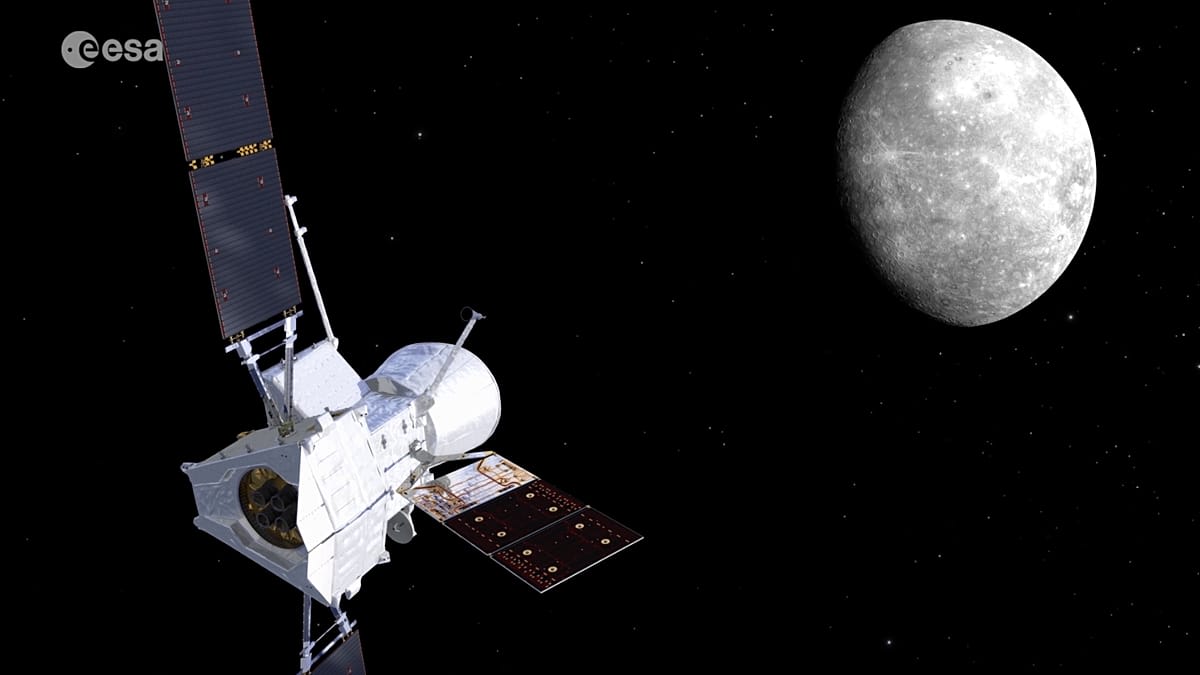
Researchers at Rice University realized they had a problem. Mercury's iron-poor, sulfur-rich surface looks nothing like Earth's, making the tiny planet nearly impossible to study using what we know about our own world. Only three spacecraft have ever visited Mercury, compared to hundreds sent to Mars.
Then they had a brilliant idea. A meteorite called Indarch that crashed in Azerbaijan in 1891 shares Mercury's unusual chemical makeup.
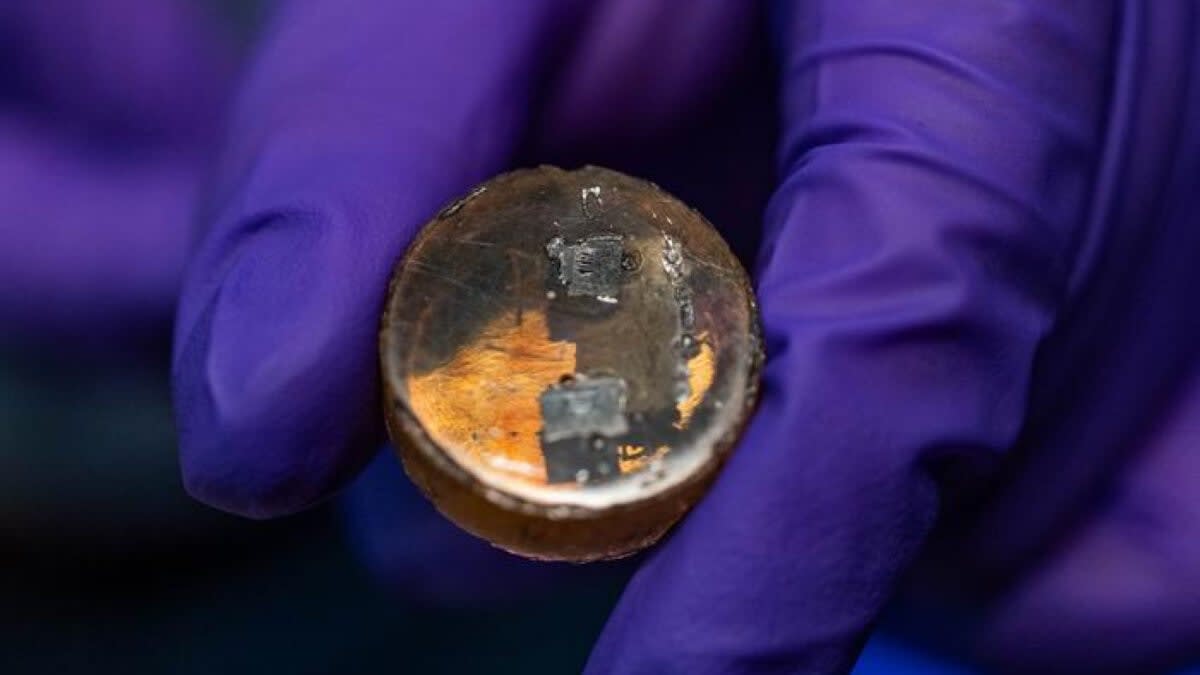
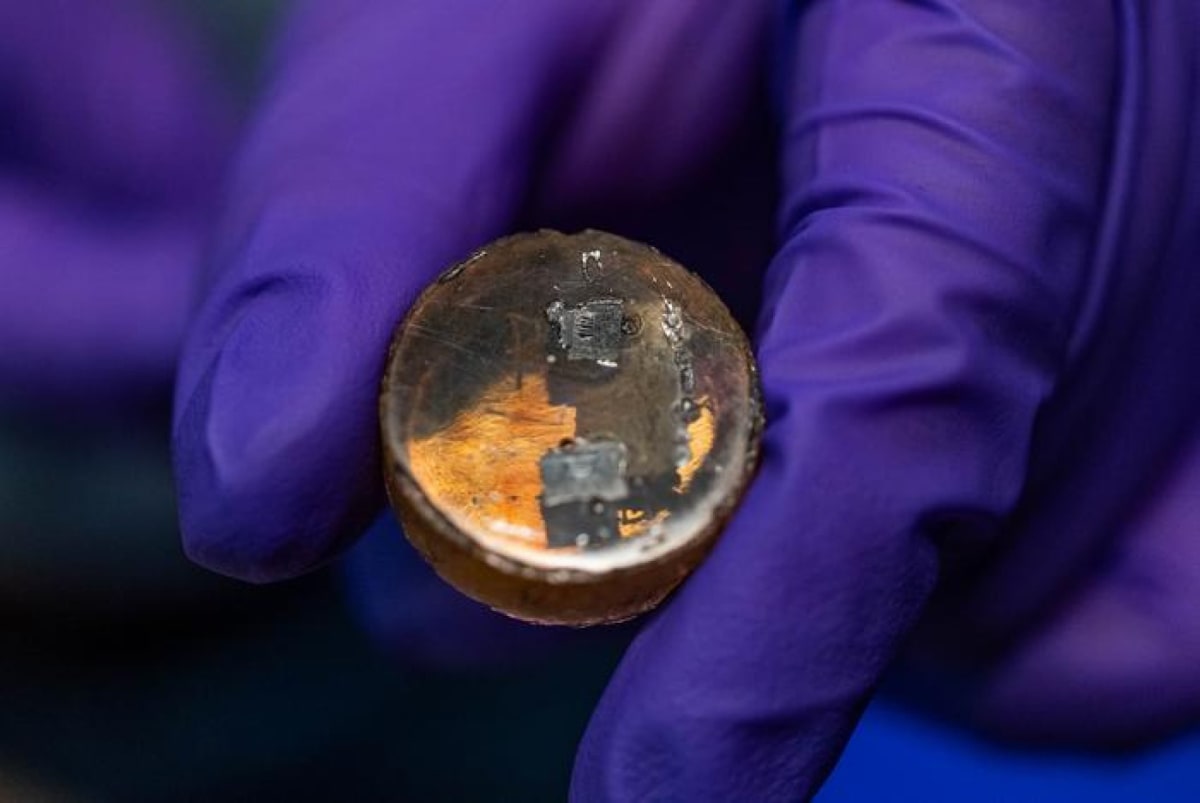
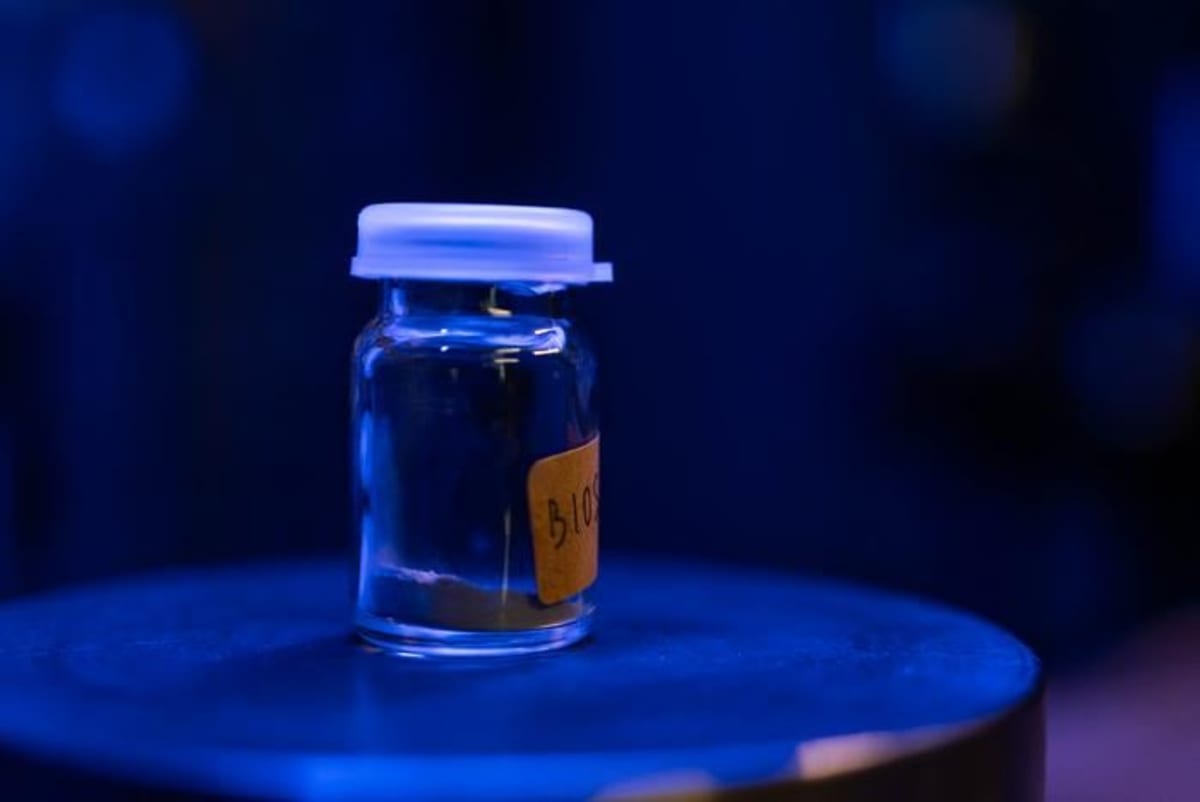
The team, led by postdoctoral researcher Yishen Zhang, mixed up a chemical recipe matching Indarch's composition. They placed the mixture in a small glass vial and "cooked" it in a high-pressure, high-temperature chamber that mimics conditions on Mercury's surface.
The experiment worked. The team successfully created Mercury-like rocks right here on Earth.
What they discovered changes how we understand planetary evolution. On Earth and Mars, sulfur binds to iron in the crust. But Mercury barely has any iron at its surface, so sulfur does something completely different.
Instead of pairing with iron, sulfur binds to major rock-forming elements like magnesium and calcium. On Earth, these elements typically bond with oxygen to create stable, strong structures. When sulfur takes oxygen's place on Mercury, those same structures become much weaker and melt at lower temperatures.
This means Mercury's surface stayed geologically active much longer than scientists expected. Magma kept flowing and rocks kept forming far into the planet's history.
Why This Inspires
This research shows how creative thinking can solve impossible problems. When you can't visit a planet 48 million miles away, you bring the planet to you.
The team's approach opens doors for studying other distant worlds based on their own unique chemistry, not just Earth's rulebook. Every planet tells its own story, and now scientists have a new way to listen.
"This is a fascinating glimpse of how Mercury may have evolved as a planet to its unique current-day surface chemistry," said Rajdeep Dasgupta, the study's senior author. The work proves that sometimes the best discoveries come from looking at old problems in completely new ways.
A meteorite that fell to Earth over a century ago just helped us understand one of our solar system's greatest mysteries.
More Images


Based on reporting by Google News - Science
This story was written by BrightWire based on verified news reports.
Spread the positivity!
Share this good news with someone who needs it