Scientists Crack 50-Year Puzzle of Animal Minds
Researchers have developed a breakthrough framework that helps us finally understand what animals actually experience, transforming how we care for billions of creatures. The "teleonome" system could end decades of guessing about animal welfare.
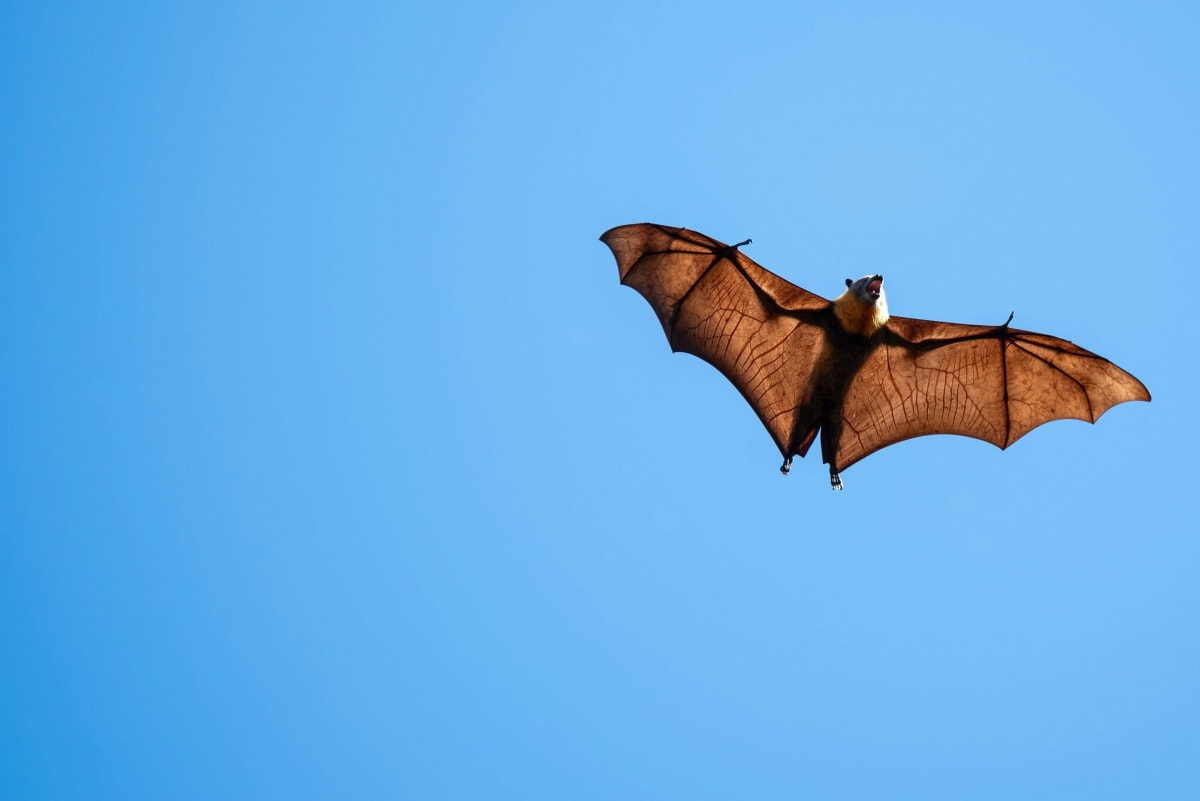
For 50 years, scientists have wrestled with philosopher Thomas Nagel's famous question: "What is it like to be a bat?" Now researchers have created a framework that finally offers real answers about what animals experience.
The challenge has always been crucial. We make daily decisions affecting billions of animals in farms, homes, labs and zoos, yet we've never truly understood their inner lives.
Scientists traditionally approached animal welfare like mechanics checking car parts without understanding the engine. Physiologists measured stress hormones, behaviorists counted movements, and veterinarians checked for disease, but no one could see the complete picture of an animal's experience.
Enter the "teleonome," a new framework published in Frontiers in Animal Science. It describes an animal's integrated system of perception, physiology, behavior and emotion shaped by millions of years of evolution.
Think of a bat's echolocation. Its DNA doesn't contain a blueprint but rather an integrated auditory-brain-body-behavior system that emerges when genes meet the right conditions. That's the teleonome: the living, functioning survival system that makes the bat what it is.
The system works through four continuous steps. Animals detect change, evaluate whether it's a threat or opportunity, forecast the best response, and act—not through conscious thought but through embodied wisdom built over evolutionary time.
Emotions drive everything. Fear, frustration, contentment and curiosity aren't just feelings but evolved mechanisms that help animals prioritize what matters, guide learning and coordinate survival responses.
The breakthrough explains mysteries that have puzzled welfare scientists for decades. A chicken in a cage might produce eggs efficiently and appear healthy, yet suffer chronic frustration because she cannot scratch, dust-bathe, flap her wings or nest—behaviors her body and brain evolved to need.
Why This Inspires
The teleonome gives animal welfare science its first biological north star. Instead of endless debates about which behaviors matter most, scientists can now ask a simple question: does this environment enable the animal's evolved way of functioning?
The practical applications are already emerging. For dogs with separation anxiety, researchers can identify and rank the specific events that trigger distress, then design interventions supporting rather than overriding their social systems.
For farm animals, the framework explains why productivity doesn't equal welfare. Domestication created highly productive animals, but many suffer chronic stress because we've disrupted relationships between animal and environment that evolved over millions of years.
The ethical implications run even deeper. Treating animals as "ends in themselves" isn't abstract philosophy anymore—it means recognizing what matters to them based on how evolution shaped their needs. The teleonome provides the biological foundation for making welfare decisions grounded in the animal's perspective rather than human preferences.
A hen doesn't just prefer to dust-bathe as a luxury. She needs it to keep her feathers and skin healthy, and removing that opportunity creates ongoing biological stress even if she looks fine on the surface.
After half a century of wrestling with Nagel's challenge, science finally has a framework for understanding animal experience on each species' own terms—and that understanding could transform the lives of billions.
More Images


Based on reporting by Phys.org
This story was written by BrightWire based on verified news reports.
Spread the positivity!
Share this good news with someone who needs it